Virtual and Augmented Reality Provide Powerful New Tools for Scene Reconstruction and Claim Assessment
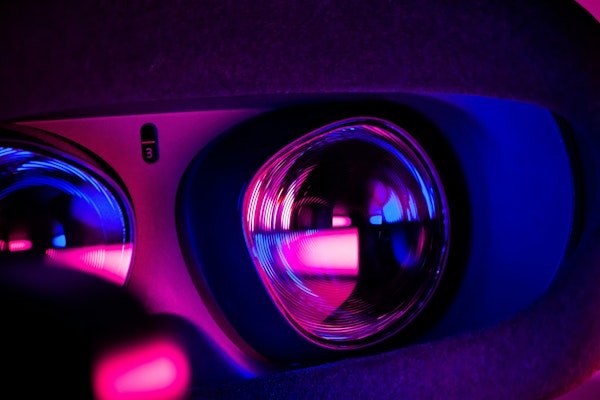
Virtual reality technologies offer immersive ways to reconstruct fire scenes, clarify complex circumstances, and facilitate collaborative investigations. See how these innovative methods help adjusters visualize damage precisely and resolve claims swiftly.
Utilizing Predictive Modeling and Data Analytics to Enhance Accuracy in Fire Investigations
Sophisticated data modeling uncovers critical trends and predictive patterns in fire events. Discover how analytics-driven strategies enable claims professionals to assess risk, establish cause, and support stronger claims decisions.
Emerging Laboratory Methods and On-site Technologies Strengthen Evidence Collection and Claim Validation
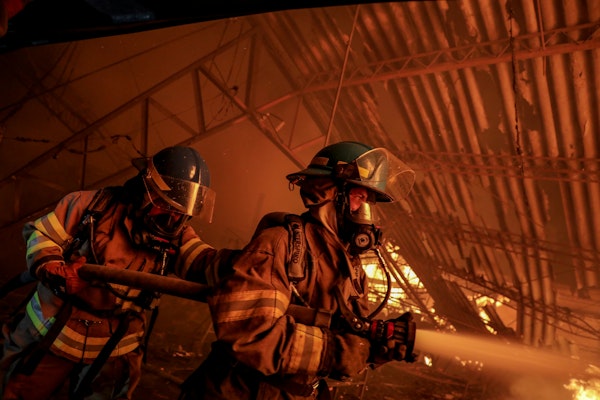
Modern forensic techniques provide detailed chemical and structural insights into fire origin and cause. Explore groundbreaking lab analyses and on-site diagnostics that help adjusters validate claims confidently and decisively resolve disputes.
Leveraging AI Tools for Faster Analysis, Accurate Pattern Recognition, and Enhanced Claims Reliability
AI-powered analytics enable rapid and precise evaluations of fire scenes by identifying patterns invisible to the human eye. Learn how these cutting-edge tools can improve your investigative accuracy, reduce uncertainty, and expedite claims settlements.
How Aerial Inspections Improve Efficiency and Provide Clearer Evidence in Complex Fire Claims
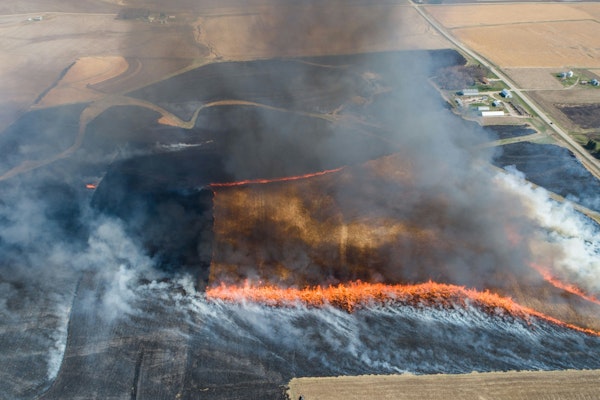
Drones are reshaping fire investigations by capturing high-resolution imagery and inaccessible details quickly and safely. Discover how adjusters and investigators leverage aerial technology to streamline assessments, enhance accuracy, and strengthen claim outcomes.
Why Clear Causation and Construction Expertise Strengthen Every Claim
In complex claims, clear answers are everything. DDA Forensics brings licensed engineers, seasoned contractors, and decades of litigation experience to the table—delivering the kind of insight adjusters and legal teams can count on when the stakes are high.
How Innovation Is Reshaping Engineering Collaboration in Insurance
From real-time site modeling to AI-driven diagnostics, the tools supporting forensic engineers are evolving rapidly. Discover what tomorrow’s investigative process looks like—and how claims teams can stay ahead.
How Forensic Experts Separate Storm Damage from Structural Deficiency
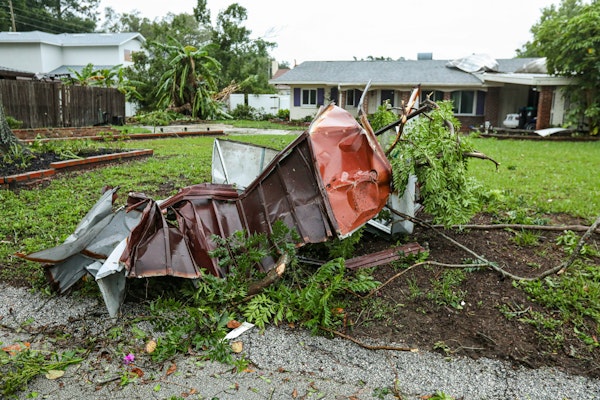
Wind vs. wear-and-tear. Hail vs. heat aging. Forensic engineers play a vital role in distinguishing storm-related damage from preexisting issues. Learn how claims professionals can partner with engineers to validate weather-related loss.
Understanding the Forensic Process After a Collapse or Major Event
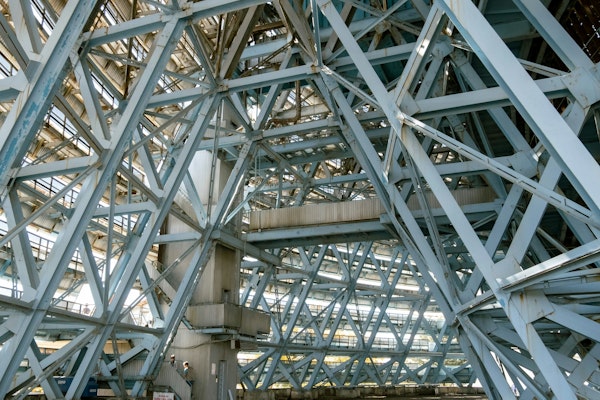
Collapses, fires, and structural failures demand immediate response—but thorough, methodical investigation. This article walks through the post-failure forensic workflow, outlining what adjusters should expect and how to support engineers on-site.
Emerging Tools That Help Engineers Analyze Hidden Damage
From ground-penetrating radar to drone photogrammetry and thermal imaging, technology is changing how engineers assess damage in the field. Learn how these tools improve precision, safety, and the credibility of your claims investigations.
How Forensic Engineers Uncover Root Causes and Reduce Disputes
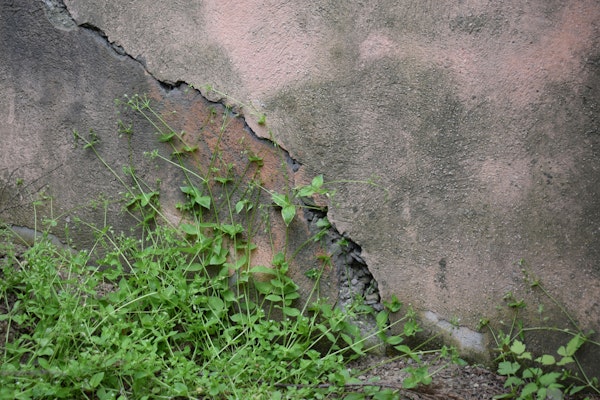
Policyholders may see cracks or collapse—engineers see patterns, load paths, and stress points. This article explains how forensic engineering reveals what really happened, helping adjusters make defensible coverage decisions and reduce litigation risk.