


Water Behind the Walls
Editorial Series March 2026 Vol. 4 Issue. 1Welcome to this month’s editorial series, "Water Behind the Walls." Few claim scenarios carry as much uncertainty, complexity, and financial consequence as hidden moisture damage. What begins as a minor leak or isolated incident can quickly evolve into a layered loss involving structural materials, microbial growth, and competing interpretations of cause, duration, and responsibility.
For adjusters, these claims demand more than surface-level evaluation. Understanding how water migrates through building assemblies, how materials respond over time, and how drying conditions influence outcomes is essential to making accurate coverage determinations. At the same time, disputes often arise around pre-existing damage, long-term seepage exclusions, and the line between sudden and accidental loss versus gradual deterioration.
This series examines the science behind moisture intrusion, the investigative techniques that uncover what cannot be immediately seen, and the high-stakes decisions that follow. From interpreting moisture mapping and thermal imaging to navigating conflicting expert reports and policy language, we’ll provide practical insights that help adjusters move from uncertainty to clarity. In a space where what’s hidden matters most, informed decisions are everything.

Resolving Disputes Over Hidden Moisture Damage
Strategies for Handling Conflicting Reports Coverage Challenges and High Stakes Claim Outcomes
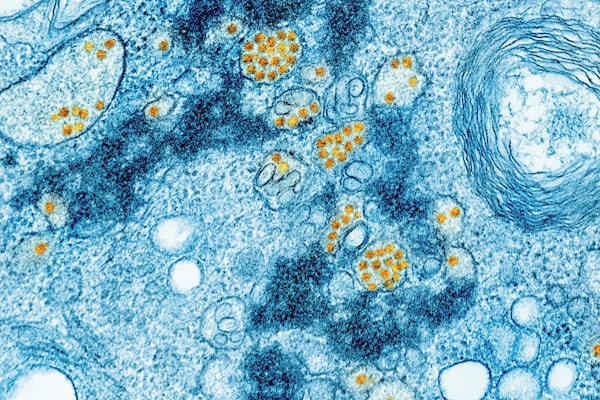
Managing Mold Risk and Microbial Growth in Water Claims
How Timing Conditions and Response Efforts Influence Mold Development and Claim Severity
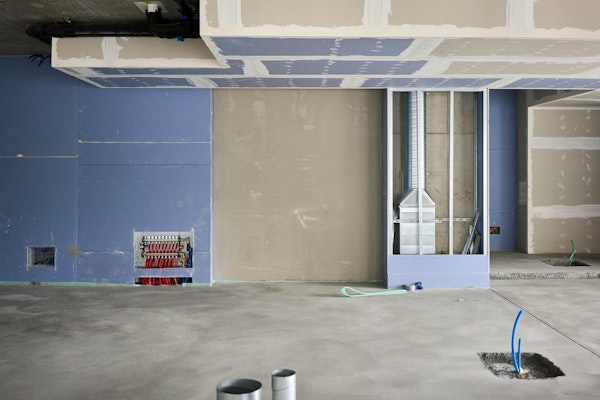
Tracking Water Migration Inside Building Systems
How Moisture Moves Through Materials and Why It Matters for Accurate Scope and Causation Decisions
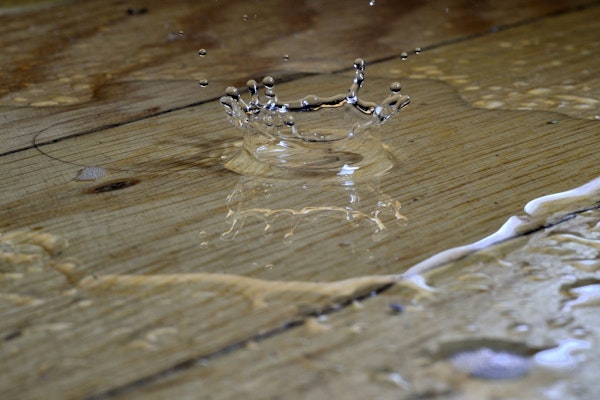
Distinguishing Sudden Damage from Long Term Moisture Issues
Key Indicators That Help Adjusters Separate Covered Losses from Excluded Seepage and Wear Conditions