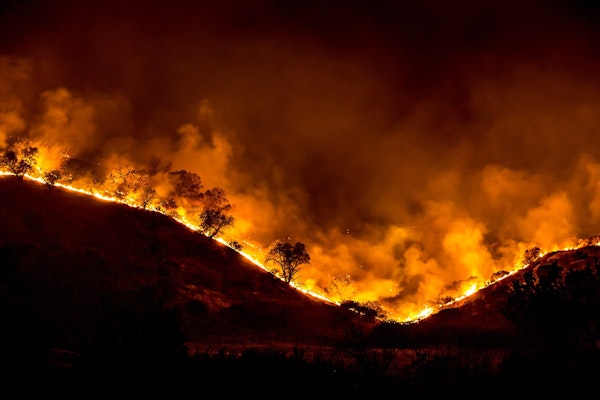
Wildfires fueled by extreme heat and high wind spread further across California, Oregon and Washington on Thursday, destroying hundreds of homes and killing at least seven people.
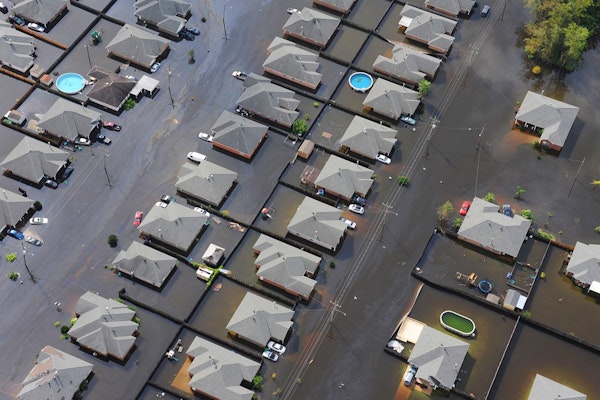
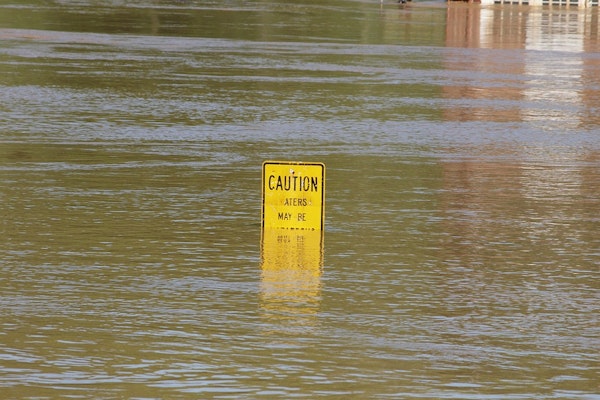
As evidenced by Hurricane Laura and other significant events, including the flooding in the Midwest last year, floods pose a serious risk to property owners across the country.
Wildfires have burned a record 2 million acres in California this year, and the danger for more destruction is so high the U.S. Forest Service announced today it was closing all eight national forests in the southern half of the state.
If you disagree with a co-worker on exactly what a catastrophe is, both of you could be right. There is no single standard definition of a “Cat,” with the industry’s loss costs — and even media coverage — among the factors that go into deciding whether an event is a Cat.
As wildfires burn homes across California, the state is also grappling with a different kind of climate predicament: How to stop insurers from abandoning fire-prone areas, leaving countless homeowners at risk.
A proposal from State Sen. Bill Dodd, D-Napa, that would streamline residential insurance claims for victims of disasters such as wildfires passed the legislature today with bipartisan support.
Hurricane Laura is one of the most powerful storms ever to hit the US Gulf Coast, but its path avoided major cities such as Houston and New Orleans, causing less damage — to people and their towns — than initially feared.
According to the latest forecast from Colorado State University (CSU), it’s going to be a busy hurricane season, and we’ve already seen evidence of that along the East and Gulf Coasts.
Hurricane Laura was expected to rapidly strengthen to a Category 4 hurricane on Wednesday on a steady track to hit the Texas-Louisiana Gulf Coast after dark, causing catastrophic damage, the National Hurricane Center said.
Residents in Galveston and Port Arthur, Texas, were ordered to evacuate as Hurricane Laura strengthens in the Gulf of Mexico. The storm is forecast to make landfall Wednesday night as a major Category 3 hurricane with winds of up to 115 mph in eastern Texas.
Heavy rains from Tropical Storm Marco soaked portions of the Gulf Coast on Monday, one of two systems threatening a historic one-two punch in the region.
On July 4, 2019, Californians were preparing for a typical festivity — fireworks, barbeques, pool parties — when their homes started to shake. Stress on fault lines near Ridgecrest, Calif. had become too much, and the fault slipped.
Tropical Storm Josephine formed in the Atlantic Ocean on Thursday, hitting the earliest benchmark of a J-named storm on record, another sign the Atlantic hurricane season is more active than usual, forecasters said.
DBRS Morningstar has offered commentary on the current US hurricane season, saying that not only will the season likely see a lot of storm activity, but the resulting insurance claims made will “add to insurers’ woes.”