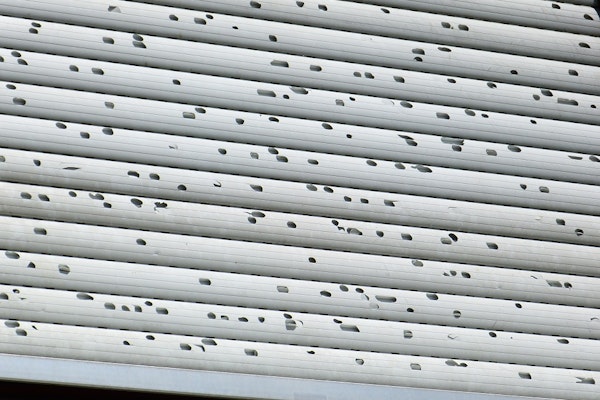
If you have clients in the Calgary area who suffered property damage in the June 13 hail storm, they could be waiting a while to get their properties repaired, an executive for one independent adjusting firm suggests.<br /><br /><br /><br /><br />Some Calgary neighbourhoods were hit the evening of June 13 with hail the size of tennis balls, the CP reported earlier.<br /><br />The photos of the damage are “pretty startling,” Crawford Canada chief client officer Greg Smith told Canadian Underwriter Thursday. “You can’t believe that damage was caused by hail when you look at it.”<br /><br />Quite often in a thunderstorm, hail drops due to gravity, said Glenn McGillivray, managing director of the Institute for Catastrophic Loss Reduction.<br /><br />“In this case we had dow
Allstate Corporation has estimated that for the month of May 2020, it saw catastrophe losses of $350 million, pre-tax. After tax, the insurer’s estimated losses for the month were pegged at $277 million.
The weekend hailstorm that tore up houses, smashed car windows and flooded streets in Calgary is expected to be labelled a natural catastrophe, according to an insurance expert.
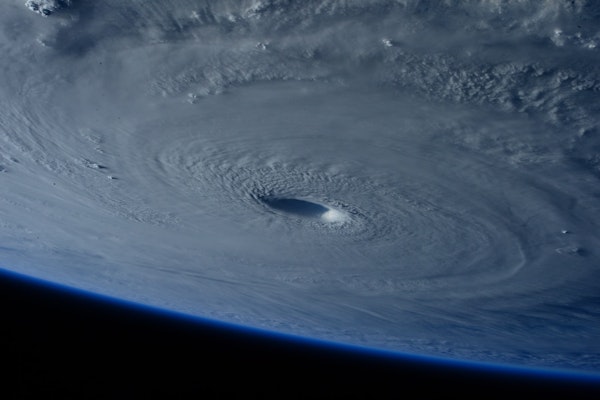
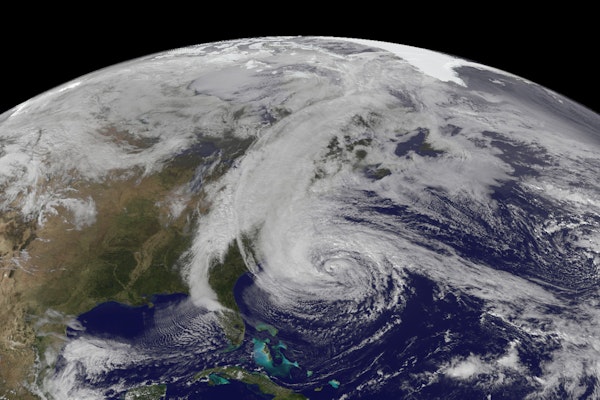
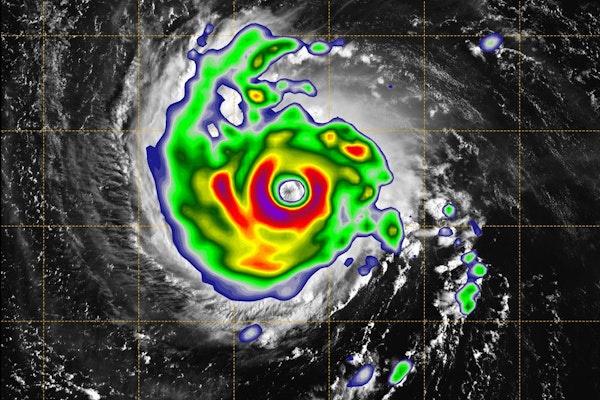
As tropical storms become more likely, COVID-19 is changing the ways resulting insurance claims are handled. New tools and practices can help insurers work within physical distancing guidelines, for example. A survey of claims-related organizations reveals how the sector plans to change its processes for this year’s hurricane season.
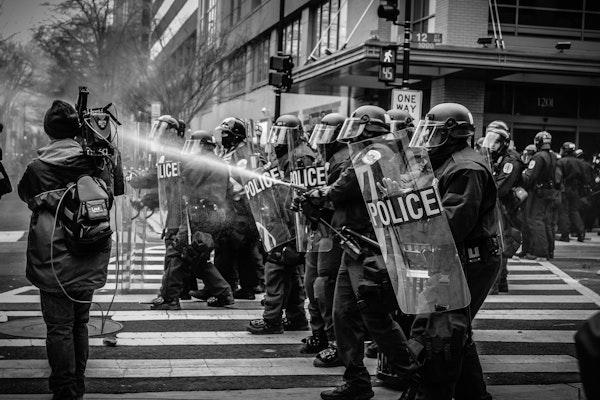
As nation-wide rioting continues in the US following the death of unarmed George Floyd in police custody in Minneapolis, comparisons with previous civil disorders in the country suggests it could be a relatively meaningful man-made loss for the re/insurance industry.
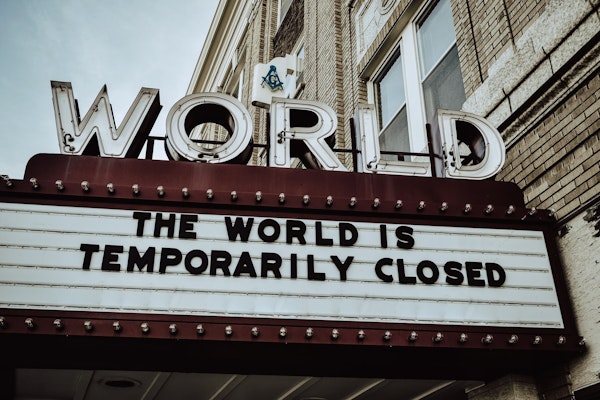
Insurance companies would go broke paying all the business-interruption and workers’ compensation claims they could face because of coronavirus and the resulting shutdowns, according to A.M. Best, the insurance ratings agency.
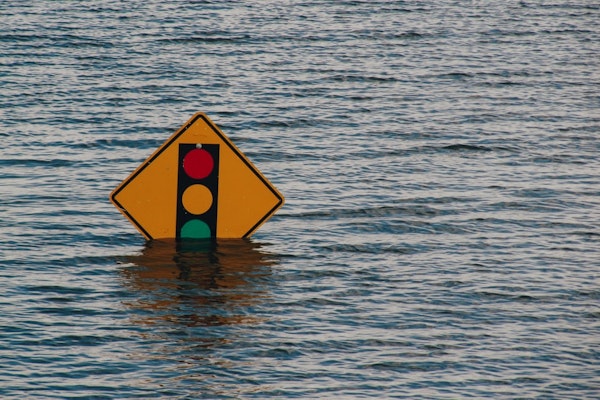
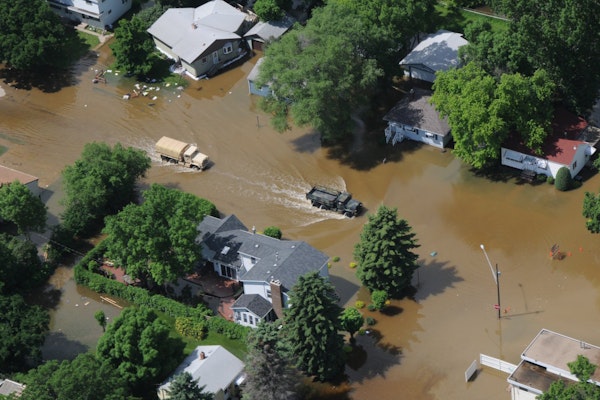
Residents in central Michigan on Thursday began returning to water-logged homes and assessing the scope of damage left by what Gov. Gretchen Whitmer described as a "500-year" flooding event. The disaster began unfolding on Tuesday after a long period of heavy rain caused rivers to swell beyond anything seen before, which resulted in two dams failing.
The insurance industry set itself up for a public relations disaster when it comes to business interruption claims, and it should be prepared to be called out more often on the name given to the coverage, says one risk researcher.
To help the public understand the insurance industry’s role, the Insurance Information Institute (I.I.I.) has launched a new educational campaign — one that makes it clear that insurance should not be on the hook for the coronavirus pandemic.
Insurance market Lloyd’s of London has said it expects coronavirus-related claims to cost it $3bn to $4.3bn (£2.5bn to £3.5bn). That means its biggest payout since the 11 September 2001 attacks in the US.
Another year, another "preseason" tropical storm. Tropical (or Subtropical) Storm Arthur is likely to form over the next few days, the National Hurricane Center said Thursday, giving the system a 70% chance of development within the next five days.
With the official start of the 2020 Atlantic hurricane season just one month away, there has likely never been a more important one for the insurance industry.
Between the industry’s digital disruption and now the practicing of social distancing related to COVID-19, the processes of a catastrophe response, both field and desk adjusting, are undergoing significant changes.
When encountering the term “catastrophic risk”, most people will think about extreme weather, climate change, earthquakes, and other related concepts involving nature. However, Marsh’s Technology Industry Risk Study 2020 has highlighted a widely underestimated risk that could potentially lead to catastrophic results: the failure of technology to perform.