New York City Fire Commissioner Dan Nigro said a malfunctioning electric space heater caused the Bronx apartment fire that killed 19 people, including nine children, and injured dozens of others Sunday morning.
A lithium-ion battery in an electric bike or scooter self-combusted in a Bronx apartment building, sparking a four-alarm fire early Saturday morning, according to the Fire Department of New York (FDNY).
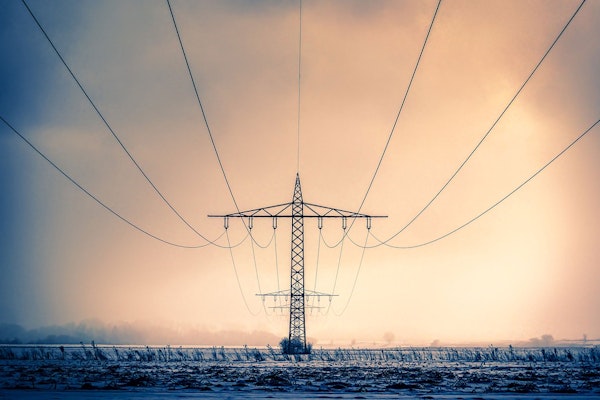
More than 100 insurance companies are suing the Texas power grid operator and dozens of power generators, over losses and property damage sustained during the winter storm last February.
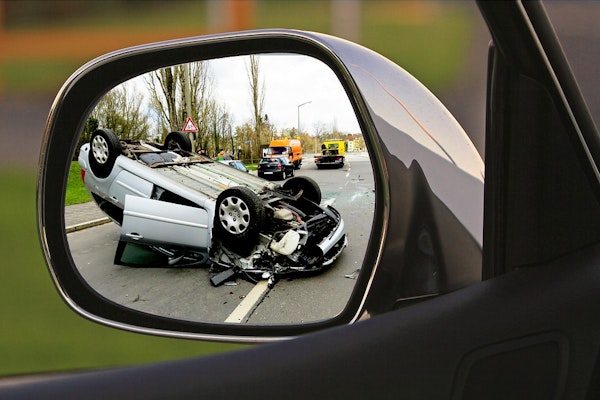
It’s happened at least once to every subrogation professional. A significant claim file involving an auto accident in which liability appears to be a lock, suddenly goes into a tailspin when the other side denies the claim because the tortfeasor suffered a heart attack or blacked out as a result of some other sudden medical emergency.
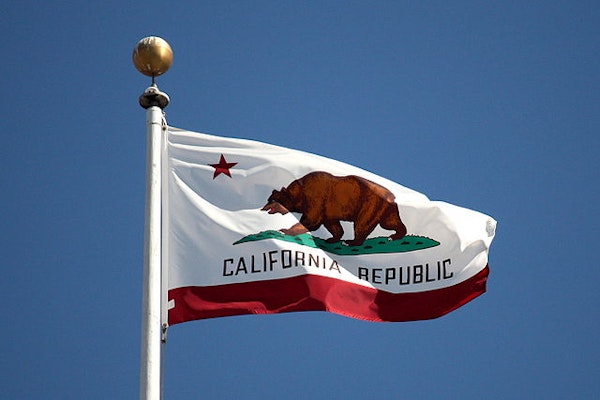
No employer wants to find themselves in the midst of a workers compensation matter, especially when the employee in question was injured through no fault of the employer. <br /><br />This problem starts with California’s notoriously employee-friendly workers compensation rules, which requires employers to pay for employees’ medical treatment if they are hurt on the job. This holds true even in cases where the employer is not at fault and injuries were caused by a negligent third party.<br /><br />Fortunately, California also gives businesses or their workers compensation carriers the right to subrogate against those negligent third parties to recover any benefits they might have paid to injured workers. Through additional litigation, employers can seek reimbursement for these paid benefits that were made on behalf of an injured employee.
Imagine beginning your day with a cup of coffee in the car on the way to work, watching the morning news from a holographic projection on the windshield while making notes in preparation for a 9:00 a.m. meeting.
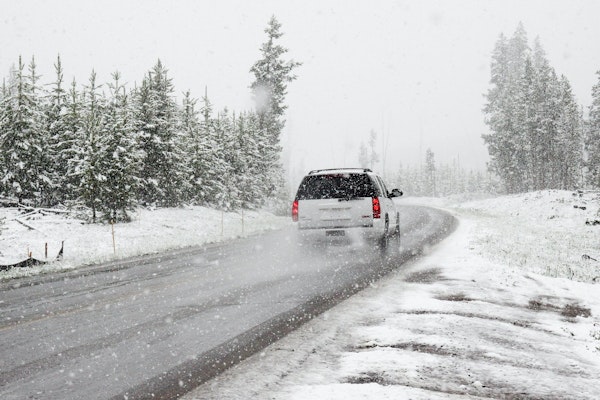
A Minnesota snowstorm turned highways and roads into a slippery destruction derby in which at least 261 vehicle crashes were reported in an 18-hour period, authorities said.
According to Arbitration Forums, Inc.’s website, the 5,200 members who subscribe to Arbitration Forums file over 949,000 disputes and nearly 1.7 million subrogation demands worth more than $13.9 billion in claims annually.
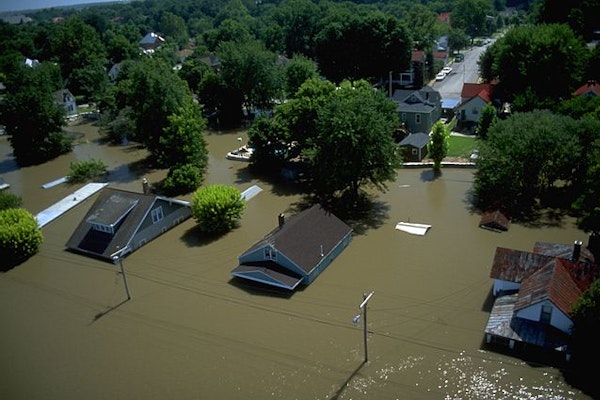
The claims history of most domestic insurance carriers is littered with billion dollar claims as a result of catastrophic losses caused by natural disasters. When God sends a hurricane, tornado, flood, or naturally occurring fire, the resulting losses can be enough to put many insurance companies into receivership.
Successful subrogation against power companies is not a given. In determining whether the Electric Reliability Council of Texas (ERCOT) may be sued for its clear negligence in failing to properly winterize power production facilities and the power grid that it runs in Texas, the issue is currently in limbo.
Insurance carriers have invested in core systems to help streamline their internal claims-handling processes. As a result of improvements in these internal processes, data is more readily available for analysis.
A valiant effort by a California workers’ compensation carrier to make it more difficult for an employee to argue employer fault and settle around a workers’ compensation carrier’s statutory lien and right of reimbursement fell on deaf ears recently, when the California Court of Appeals rejected the notion that the workers’ compensation carrier has adequate standing to challenge . . .
A twin-engine plane that killed at least two people and left a swath of destruction in a San Diego suburb nose-dived into the ground after repeated warnings that it was flying dangerously low, according to a recording.