A national survey found broad consumer support for insurance professionals using AI, but only 6% of respondents would rely on AI alone during an accident, storm or significant claim.
AI-powered document intelligence can help adjusters search medical records, estimates, reports and correspondence while preserving a direct path to the underlying source documents.
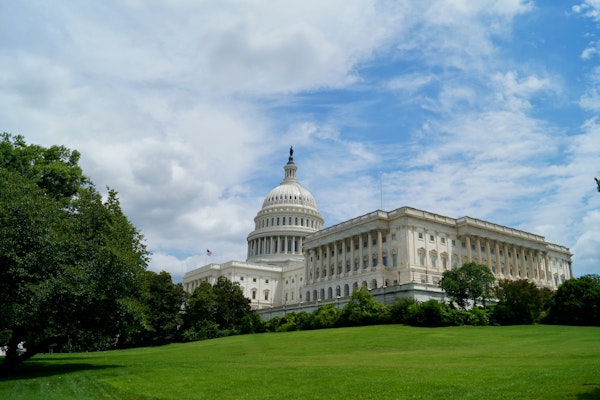
Congress is moving toward extending the federal terrorism insurance program through 2034, but certification requirements, cyber risks and exclusions in underlying policies could still determine whether losses are covered after an attack.
An EPA proposal would eliminate minimum federal public-notice and comment requirements for certain air pollution permits, leaving states and local agencies to determine how much public participation is required. The change comes as AI data center construction raises questions about pollution, power demand, water use and community impacts.
Purported white-hat hackers removed roughly 4,000 bitcoin from Liquid Network’s federation wallet, forcing the settlement network to halt new transactions. Blockstream attributed the incident to a software flaw rather than stolen private keys.
Swiss Re projects global cyber premiums of $16.4 billion in 2026 while warning that ransomware, data breaches and growing digital dependence can produce losses beyond the limits purchased by some large companies.
IIHS researchers found telematics detected cellphone use before crashes at least seven times as often as police reports, highlighting a potential evidence gap in auto claims involving distracted driving.
A Dutch regulator says automated systems improperly deactivated some Uber drivers without adequate explanation or human review, raising broader questions about AI liability, regulatory claims and insurance coverage.
A $200,000 parametric payment will fund rapid coral reef assessment and repairs in Hawaii, showing how catastrophe insurance can respond without the traditional claims adjustment process.
The Justice Department settlement resolves allegations that TikTok and ByteDance illegally collected personal information from children under 13 without parental consent.
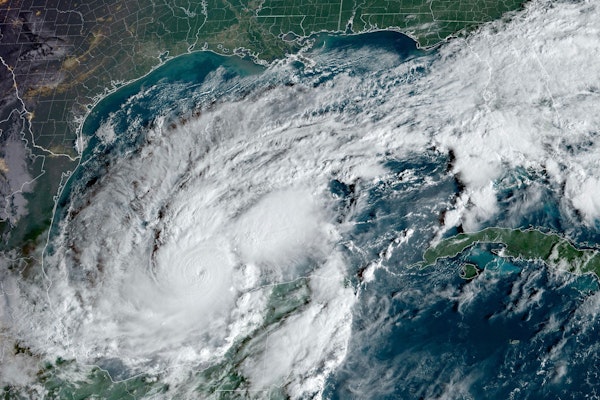
Catastrophe models can map where damage occurred, but often lack detailed data showing when and how an event developed. Continuous satellite observations could improve wildfire modeling, claims aggregation, hours clauses, parametric triggers, and mitigation credits.
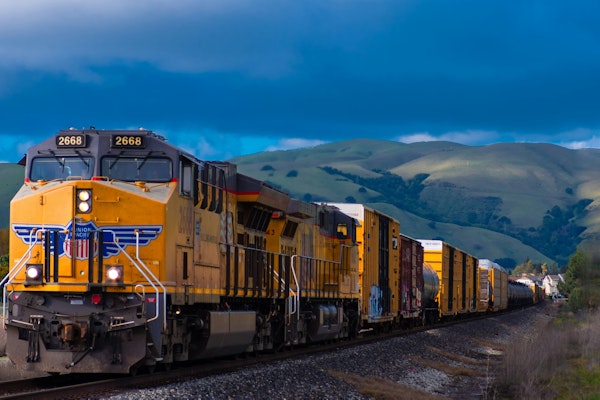
Organized thieves carried out 75,000 thefts from U.S. freight rail networks in 2025, pushing railroads to invest millions in AI cameras, drones, fencing and law enforcement partnerships.
AI-derived property observations are giving insurers a clearer view of roof deterioration between catastrophes, providing claims teams with more information about pre-loss conditions when severe weather strikes.
While 76% of insurers believe they are ahead of competitors on AI, just 6% qualify as leaders. Claims is already among the industry’s leading AI applications, with 42% reporting use.
A federal trial will test whether Meta can be held liable for Instagram and Facebook design features that states say harmed young users, with potential financial exposure and court-ordered platform changes raising the stakes.