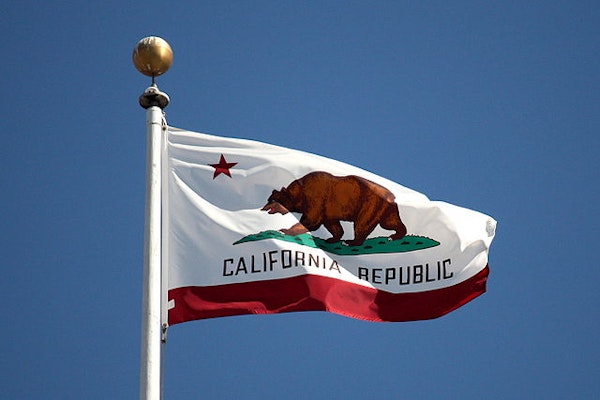
A valiant effort by a California workers’ compensation carrier to make it more difficult for an employee to argue employer fault and settle around a workers’ compensation carrier’s statutory lien and right of reimbursement fell on deaf ears recently, when the California Court of Appeals rejected the notion that the workers’ compensation carrier has adequate standing to challenge . . .
More than 40 million Americans have been diagnosed with Covid-19, and research suggests that between a quarter to a third of them will develop long-haul Covid, a mysterious illness characterized by persistent symptoms that include severe fatigue, cognitive impairment, and respiratory problems that may leave more than 20% of patients unable to return to work.
Nothing about the U.S. decision to pull out of Afghanistan has been easy. The impact has been felt around the globe, and the long-term ramifications are still to be determined. For the insurance industry, one of the unexpected areas affected by the withdrawal involves workers’ compensation claims.
The National Workers’ Compensation and Disability Conference (National Comp) presented by Risk & Insurance® will return to Las Vegas in-person after last year’s virtual event.
We are at the precipice of a potential upheaval in workers’ compensation recovery rights in the Aloha State. The Hawaii Supreme Court is about to decide whether equitable considerations and defenses to subrogation—such as the common law Made Whole Doctrine or Common Fund Doctrine—are to be applied to statutory workers’ compensation liens.
Historically, marijuana has been classified as a Schedule I drug under the federal Controlled Substances Act of 1970. Specifically, marijuana with a THC level of 0.3 percent or higher is considered to have ‘no accepted medical use,’ and has a high potential for abuse and physical or psychological dependence.
Do not make bad case law. We hear this from our mentors, our supervisors, at our continuing education seminars. We appeal bad rulings knowing that, in Georgia and some other jurisdictions, appeals are discretionary for workers’ compensation claims.
Crawford & Company, the world’s largest publicly listed independent provider of claims management and outsourcing services to carriers, brokers and corporations, has announced that Marie Velez, vice president of finance at Crawford & Company in Latin America, has been named Woman of the Year at the Stevie International Business Awards.
Rising Medical Solutions released its annual Workers’ Compensation Benchmarking Study for 2020, with a twist. This year’s study is the first time claims leaders have had the opportunity to respond directly to the perspectives of more than 1,200 frontline claims professionals who participated in the 2019 survey.
Updated data from the California Workers’ Compensation Institute and the Division of Workers Compensation reports COVID-19 death claims have risen 51% since the last update in February.
If there’s one title Lee Garvin wears proudly, it’s ‘crew member.’ Before stepping into the role of director of risk management at JetBlue Airways, Garvin worked as a pilot, flying on-demand charter planes, organ donor flights and scheduled air service for seven years.
In an interesting case out of the Commonwealth Court of Pennsylvania, Lehigh Specialty Melting Inc. v. Workers Compensation Appeal Board, Lehigh appealed an order of the state’s Workers Compensation Appeal Board that would have caused the unwinding of an otherwise finalized workers’ compensation settlement agreement that included a Centers for Medicare and Medicaid Services (CMS)-approved Medicare Set-Aside (MSA) with an injured worker.
Even though the pandemic is far from over, risk managers and insurance professionals have already started accumulating best practices for handling large numbers of communicable disease workers’ compensation claims.