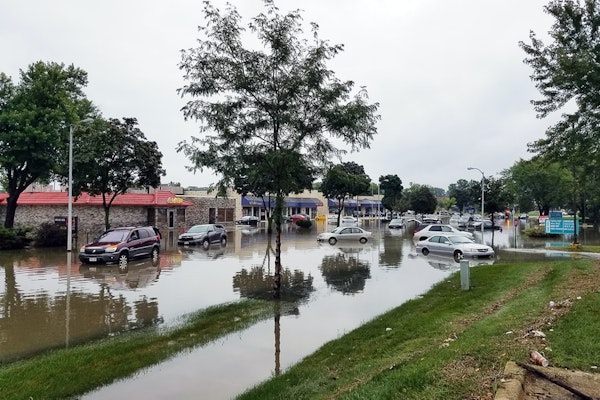
NOAA’s National Weather Service has expanded its experimental Flood Inundation Mapping system from 60% coverage to nearly the entire U.S. population, providing neighborhood-scale estimates of where river and stream flooding could occur.
Business email compromise accounted for more than $3 billion in reported losses in 2025, while Alaska recorded the highest rate of reported cybercrime incidents relative to its business population.
Frozen pipes, kitchen fires, icy walkways, and parking lot crashes make winter the busiest season for property and auto insurance claims. Here’s how adjusters can prepare.
An 8.8 magnitude quake near Russia’s Kamchatka Peninsula triggered tsunami alerts across the Pacific, spotlighting flood insurance gaps and the unpredictability of natural disasters.
Homeowners insurance is becoming less affordable nationwide as natural disasters, legal system strain, and rising repair costs drive premiums higher, especially in disaster-prone states.
Federal budget cuts threaten safety training programs for fishing, farming, and logging workers—among the nation’s most dangerous jobs—potentially leaving crews at greater risk.
A new study from the Institute for Legal Reform reveals that U.S. tort costs have risen at an annual rate of 7.1% from 2016 to 2022, exceeding both inflation and GDP growth.
The Alaska Supreme Court ruled that hiring a friend for work on another friend’s property does not exempt the employer from workers’ compensation coverage, rejecting the so-called "buddy exemption."
Recent research from the FIRST Center highlights significant differences in state workers’ compensation laws for first responders with mental health conditions, emphasizing the need for uniform presumption laws.
With the adoption of NAIC’s AI framework by seven states, insurers face the challenge of implementing comprehensive AI governance and risk management programs.
FloodFlash, with its unique sensor-based parametric flood insurance, is transforming the flood coverage landscape in the U.S., offering more accurate and reliable policies.
A federal grand jury in Alaska has returned an indictment against 24-year-old Paul Bates of Anchorage, charging him with intentionally starting a fire in an apartment building on October 30, 2022.