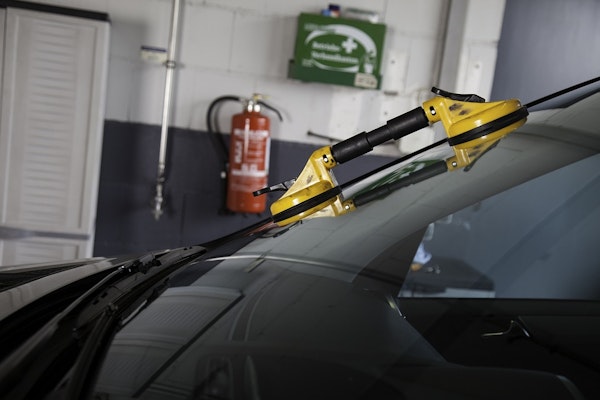
As another year of the COVID-19 pandemic draws to an arduous close, consumers are feeling greater economic pressure in terms of inflation. Consequently, an unforeseen yet unsurprising byproduct has evolved: a fraudulent insurance epidemic, spurred by staged and fraudulent auto accidents.
Several adjusters recently told Florida’s House Commerce Committee that insurance carriers changed their estimates on damaged houses, which the committee chairman said should be investigated by the state attorney general since that’s an accusation of fraud.
A bright spot for small business insurers: Customer trust is on the rise. Fifty percent of small business owners trust their carriers more than they did pre-pandemic. That number jumps to 80% when the business owner has filed a claim
There’s no sugarcoating it: Insurance fraud hurts everyone. ‘As fraud is perpetrated, it increases claim costs, which increases overall risk, which increases premiums, which increases the cost of goods and services performed by the companies paying the premiums,’ said Jon Shifflett, AVP, investigative services, CIS, at AmTrust.
After checking email and reading articles or books, using social media sites is the third most popular activity on the Internet, and the second most popular on mobile devices.
Social media connects brands and businesses to their target audiences, driving greater awareness, revenue and loyalty. Among social media users, 86% follow brands and 57% are more likely to buy from those brands.
Resistant AI will deploy its AI-powered anti-fraud technology into InsurTech specialists Claim Technology to help it protect against fraudulent insurance claims.<br />Through this partnership, claims handlers will have the tools to spot forged documents to a level of forensic analysis that is impossible to detect with the human eye.
A Minnesota federal district court has held that a software company is entitled to coverage for losses related to diverted billing emails under its business interruption coverage, rejecting the insurer’s argument that the phrase ‘business operations’ in the insuring clause referred only to income-generating activities.
A live Twitter chat is being conducted on Thursday, Nov. 17, at 1 p.m., ET, as part of International Fraud Awareness Week, according to the Insurance Information Institute (Triple-I), one of the event’s participants.
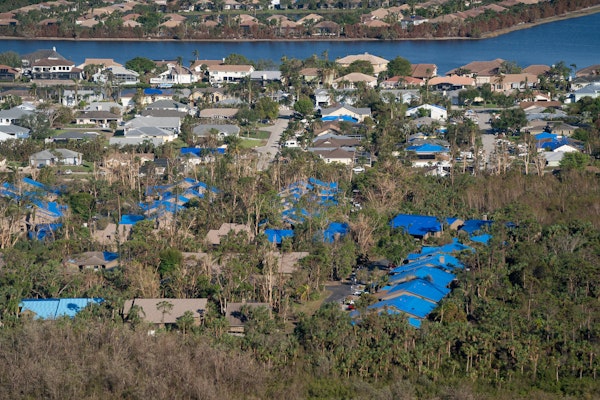
Kathryn Schweitzer worked recently in the yard in front of her small, yellow house in a North Port neighborhood where mildewing furniture, drywall and other personal belongings line the streets, the remains of destruction left behind by Hurricane Ian.<br />Schweitzer tries to shrug off the $8,000 she’s paid so far "just to get the walls back" in her flood-damaged home, because "if you can’t cry, you get to laugh."
The Justice Department on Wednesday announced what officials called the first national takedown of a criminal enterprise profiting from the rampant theft of catalytic converters. The scope of the car parts operation was huge: Officials said they will seek $545 million in forfeitures of cash, luxury cars and real estate.
A man linked to one of San Joaquin County’s largest-ever insurance fraud schemes reported a Mercedes-Benz found buried at his former home stolen in 1992 and collected tens of thousands of dollars in insurance on the vehicle, according to San Mateo County authorities.
Modern property and casualty claims system capabilities have evolved from legacy technology that simply tracks financials, claim notes, and documents, to fully data-driven processing engines that can connect to an array of ecosystem partners. Insurers now have faster access to new features and functions as solution providers migrate to cloud/Software-as-a-Service (SaaS) solutions.
The National Insurance Crime Bureau (NICB) has issued an advisory that policyholders should be on the lookout for scammers, as the number of insurance claims filed related to Hurricane Ian hits nearly half a million.