Major hailstorms pelted three big cities across the south-central United States on Wednesday night, shattering windows, denting vehicles and leaving behind headaches for homeowners.
Whether property has suffered ‘direct physical loss’ when it cannot be used for its intended purpose is the first hurdle that most policyholders will face in the 1,500 lawsuits that have been filed regarding property insurance for COVID-19.
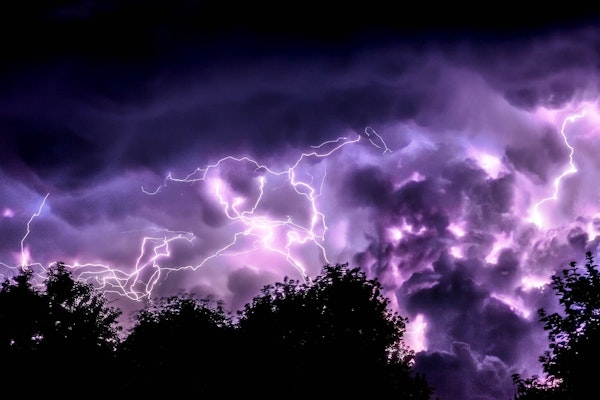
Hail as large as softballs rained down Wednesday evening as severe thunderstorms struck parts of Texas and Oklahoma. There were 38 reports of severe hail across Texas and Oklahoma, including near San Antonio, Fort Worth and Oklahoma City, according to the Storm Prediction Center.
Insurance sector communities have invaluable expertise and resources to address society’s climate challenges, but that experience is not fully understood or harnessed into the mainstream climate, sustainable development and finance agenda.
The Texas House Insurance Committee on Tuesday voted 5-4 to recommend fellow lawmakers pass a bill mandating appraisal clauses in auto insurance contracts. House Bill 2534 would institute another option for insurers and policyholders to resolve claim cost disputes without having to go to court.
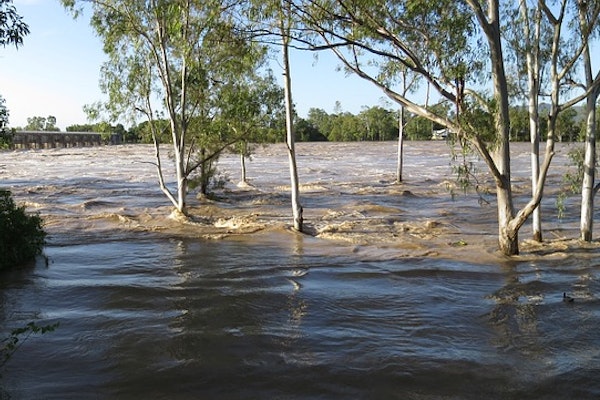
Flooding and confirmed tornadoes caused damage in parts of Oklahoma and Missouri overnight and into Wednesday afternoon. Flooding was reported in Branson, Missouri, as well as several other areas, including Abilene, Texas, and Bentonville, Arkansas.
Karen Clark & Company (KCC) has announced that American Family Group has licensed KCC’s full suite of US catastrophe models. The models are delivered through KCC’s RiskInsight open loss modeling platform.
As the novel coronavirus pandemic spread across the country last year, Rockhurst University in Kansas City faced an unprecedented financial crisis. With students suddenly being sent home and major school events canceled, the virus halted the major revenue stream that kept the university afloat.
The Ninth Circuit Court of Appeals recently found that insurers did not have to defend a construction company from the San Francisco 49ers’ claim that the company negligently failed to construct the NFL team’s stadium to be accessible to all people with physical disabilities.
Ransomware is a dominant source of concern in the cyber insurance community today. In recent years, there has been a significant uptick in the frequency and severity of ransomware attacks, impacting businesses of all sizes and in all sectors.
Collecting high-resolution images, making it easy to report a loss, and integrating the service providers into the claims process are claims innovations carriers need to bring in if they are not already, InsurTech North speakers suggested last week.
As it builds out a framework to model future climate risk, AIR Worldwide made changes last year to its hurricane and U.S. wildfire models with the goal of providing insurers and their clients with more accurate assessments of those morphing risks.
Cheats never prosper. Or do they? Search engine optimizer Diggity Marketing tallied fines paid by some of the world’s largest companies between 2000 and 2020. The 100 most-fined companies paid between them equaled $482 billion in 8,938 separate fines.
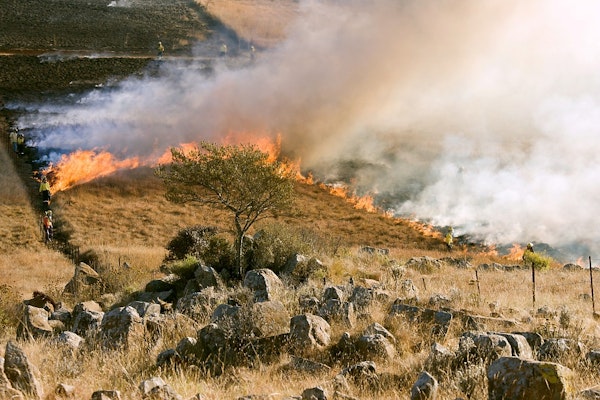
Across California, property owners and their ‘burn bosses’ are setting fires. When the weather is cool, calm and wet enough, these planned forest fires are designed to clear overgrown vegetation that could accelerate a wildfire in dry months.