The Insurance Bureau of Canada (IBC) has revealed that the storm that hit southern and central Ontario in November 15, 2020, caused $87 million in insured damage.
This past summer, a group of African-American YouTubers filed a putative class action against YouTube and its parent, Alphabet. The suit alleges that YouTube’s AI algorithms have been applying “Restricted Mode” to videos posted by people of color, regardless of whether those videos actually featured elements YouTube restricts, such as profanity, drug use, violence, sexual assault or details about events resulting in death.
A North Carolina auto repair facility and its franchisor have reached a $1.8 million settlement with an elderly man who fell into an open service pit.<br />The 84-year-old plaintiff suffered a brain hemorrhage and a brain injury from the fall.
With another wave of COVID-19 wreaking havoc worldwide, recent insurance coverage litigation decisions have been building upon lessons learned since the pandemic began.
The insurance industry should not be surprised by the fact there was a global health pandemic, a senior P&C industry exec says, adding that COVID-19 is not likely to change industry fundamentals significantly, since nothing new was brought to the table as a result of it.
Conducting a potential fraud investigation of a company’s own insured is a sensitive task. It can be further complicated by not taking into account an insured’s cultural background, which in some cases can make conduct look suspicious even when it’s not. On the other hand, cultural practices may also provide clues about actual improper conduct.
There are a few things we may never see again thanks to COVID-19. Free samples at the grocery store, infrequent cleaning of subway cars, cramped conference rooms, packed elevators, communal office pies and cakes, stigma around sick days and working from home, plastic ball pits for toddlers, buffet restaurants, paper menus, shaking (too many) hands and unpackaged dinner mints (okay, maybe those aren’t a thing any more), to name a few.
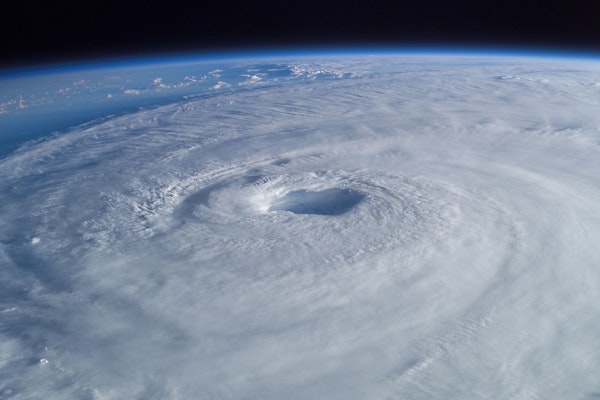
North American hurricane landfalls in November added about $9 billion to the total Atlantic seasonal financial toll in terms of catastrophe losses, Aon said in its latest Global Catastrophe Recap report.
Connecticut’s trend of liberal, policyholder-oriented insurance coverage decisions continued apace with the recent Connecticut Supreme Court decision, Nash Street, LLC v. Main Street America Assurance Company et al.
Fewer cars on the road, increasing accident severity, an uncertain economy—these are just a few of the unprecedented challenges the auto insurance industry has faced in 2020. Now, third party liability insurers are seeking the best method to adapt to this ever-changing situation.
Do you remember back in April when the price of a barrel of crude oil went negative for the first time in history? That shocking event was just another chapter in the downward trend in the value of fossil fuel assets the world over.
At least a dozen people in New Rochelle and the Bronx were indicted Wednesday in a cunning car fraud scheme to collect insurance by strategically smashing vehicles and submitting big-buck bills while scrimping on the actual repairs, prosecutors said.
Cybersecurity threats related to insider actions are now more common than threats from external actors, according to a report by cybersecurity vendor Netwrix.
There was a massive fire following an explosion in the Town of Gates early Wednesday evening. It happened just after 6:00 p.m. on Noel Dr., near Lyell Rd. and flattened a house there.
The coronavirus pandemic and resulting lockdowns have significantly impacted commercial and specialty lines of insurance, both in terms of claims volumes and financial losses. The rapid spread of COVID-19 in the first half of 2020 caused drastic lockdowns, forcing the closure of businesses, cancellation of events and a general curtailment of economic activity around the globe.