The insurance and reinsurance industry should anticipate a long-run annual average bill of approximately $106 billion from global catastrophe events, according to analysis by catastrophe risk modeller, AIR Worldwide.
Beginning Monday, insurers can resume the process of canceling or non-renewing coverage for policyholders in southeast Louisiana after the state’s top insurance regulator opted not to extend emergency protections issued ahead of Hurricane Ida.
What does it mean for economies, governments and communities when ‘once in a lifetime’ weather events begin to occur on an annual basis? We are witnessing an entirely new scale of natural disasters across the world.
Spectacularly costly disasters are our new normal. Major hurricanes are devastating coastal communities and bringing flooding thousands of miles inland. Wildfires are burning for months. Heatwaves are scorching places where people don’t have air conditioning.
As a massive investment to repair roads and adapt to climate change faces an uncertain fate in Congress, a new report finds much of the country’s infrastructure is already at risk of being shut down by flooding.
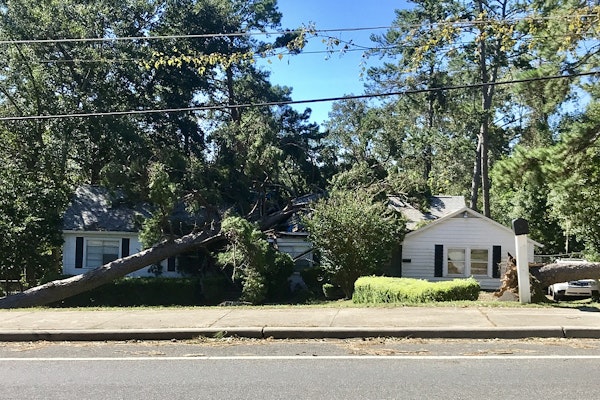
Hurricane Ida made landfall on Sunday, Aug. 29, 2021, near Port Fourchon, Louisiana as a powerful Category 4 hurricane with maximum sustained winds of near 150 miles per hour. High winds, wind damage, storm-surge flooding, and flash floods occurred in many areas.
Insurance adjusters in many cases are nearing the half-way point of the 60-day period when they must make initial contact with policy holders who have filed claims in the aftermath of Hurricane Ida.
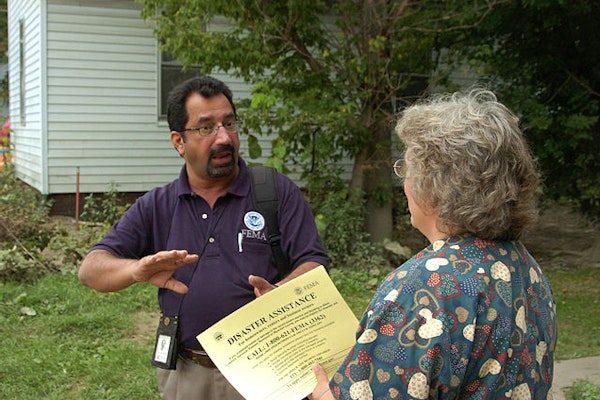
A Wednesday news release from the federal government revealed that in the 30 days since Hurricane Ida struck Louisiana, disaster survivors have received more than $660 million in grants in addition to $211 million in low-interest loans.
New Orleans residents who are facing daunting homeowners insurance deductibles that could keep them from repairing damage Hurricane Ida caused to their homes can apply for assistance through an unprecedented program the city is launching to keep people from being displaced by the storm.
Crawford & Company, the world’s largest publicly listed independent provider of claims management and outsourcing services to carriers, brokers and corporations, has announced that Marie Velez, vice president of finance at Crawford & Company in Latin America, has been named Woman of the Year at the Stevie International Business Awards.
After being pummeled by two tropical storms that submerged basements, cracked home foundations and destroyed belongings, Northeastern U.S. residents still in the throes of recovery are being hit with another unexpected blow: Thousands of families are now swamped with financial losses because they didn’t have flood insurance.<br /><br />Most of those caught off guard by the intense downpours from the remnants of Hurricane Ida and Tropical Storm Henri lived in areas outside of coastal floodplains, making flood insurance an afterthought for most of the working-class families whose neighborhoods were among the hardest hit.<br /><br />"When we called the insurance company, the first thing they told us is that they don’t provide any assistance for anything that’s caused by a storm. And they left it at that," Amit Shivprasad said, his rising voice echoing frustrations shared among his neighbors in the Jamaica section of Queens.
A robotic insurance adjuster? Woodland Hills-based Farmers Insurance announced on Monday, Sept. 20, that the company will soon deploy ‘Spot,’ a robot, to assist with catastrophe claims and property inspections.
The insurance and reinsurance market loss from recent hurricane Nicholas is estimated to be around US $950 million, according to modelling analysis undertaken by catastrophe risk specialist Karen Clark & Company.
Hurricane Ida may have caused $30 billion or more in insured losses nationwide, making it one of the costliest disasters in U.S. history, according to a new estimate released Monday.