The monster tornado that destroyed the town of Mayfield, Ky., during last weekend’s deadly outbreak in the Midwest and Southeast may have traversed four states without ever lifting off the ground.
Analysts at CoreLogic have estimated that the reconstruction value of residential buildings that were potentially destroyed in states hit by the recent series of tornados is $3.67 billion, with insured losses likely to exceed $1 billion.
Pittsburgh is more than 200 miles (320 kilometers) from the nearest coast, yet its office and retail buildings face $420 million in exposure to flood damage, or the third-greatest of any city in the U.S., according to a report published Monday.
One of the deadly tornadoes that erupted under the cloak of darkness overnight Friday into the early hours of Saturday, leaving at least 70 dead, may have set the record for the longest continuous tornado in American history.
The 2021 Atlantic hurricane season officially ended Tuesday, going down in history as the first time that two consecutive seasons have exhausted the list of 21 English storm names.
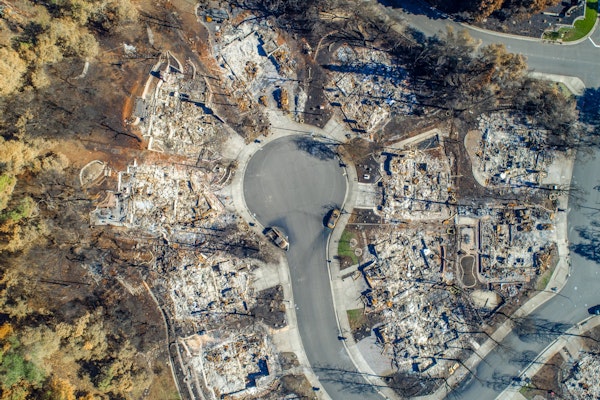
Lori Willman was at home on a Sunday in June 2010 when someone from the sheriff’s department knocked on her door. A fire had started in the Coconino National Forest and everyone in Willman’s neighborhood, the Timberline Estates north of Flagstaff, needed to evacuate.
The PwC Insurance Banana Skins 2021 survey shows that cybercrime is ranked as the number one risk by carriers globally, while climate change tops the list for reinsurers amid a rise in natural catastrophe events.
Catastrophe insurance plays a vital role in helping protect businesses and households from financial losses incurred from natural calamities, including earthquakes, floods, hurricanes, and wildfires, as well as man-made disasters such as explosions and terrorist attacks.
This summer brought a surge of natural disasters across the U.S. One in three Americans experienced a natural disaster this summer, according to The Washington Post.
In 2020, catastrophic weather, including severe wildfires, seven major hurricanes and a destructive derecho drove the proportion of catastrophe losses up 40% from 2019.
Climate change does not stop being a threat to major cities in the United States. Scientists around the world have already warned that if a series of actions are not taken into account to reduce the burning of fossil fuels by the year 2100, the planet will face a sea â€,â€,level rise between 4.3 and 9.9 meters.
Thousands of Louisianans seeking federally provided travel-trailers may have to wait months longer, FEMA’s top official said Monday. The Federal Emergency Management Administration has identified about 3,000 people who will qualify to get the trailers, Administrator Deanne Criswell said.
The sixth iteration of LexisNexis’s annual ‘Home Trends Report’ paints a troubling picture for the US homeowners’ insurance market, thanks to worsening catastrophic events.
This has been a rough year for homeowners. An ice storm in the Plains states left millions with burst water pipes and without power. California is dealing with a drought that will only create more tinder for its already epic wildfires.