As courts begin to try jury cases backlogged by the disruptions of COVID-19, we are seeing an aberration in the results awarded by juries, as well as an increase in the potential for nuclear verdicts -- any jury award that surpasses $10 million -- across numerous industries.
GEICO has agreed to pay over $19 million to nearly 227,000 policyholders to settle allegations that it did not pay them the full amount owed in total loss claims. The federal class action lawsuit was filed in 2019 and combined last year with a second suit filed in 2020.
More than two and a half years into the COVID-19 pandemic, businesses around the world have developed new and innovative ways to resume operations, even though the virus remains an ever-present threat. However, it took some time for businesses to pivot their operations in order to provide a safe atmosphere for both their customers and employees.
Since building new courthouses and hiring more judges to reduce a pandemic-induced judicial backlog is not a viable or realistic solution, early mediation initiatives have become an easier and less costly way to work through the glut. Although mediation has proven to be very successful in a variety of jurisdictions, one trend is constant: Mediation typically occurs too late in the life of most disputes.
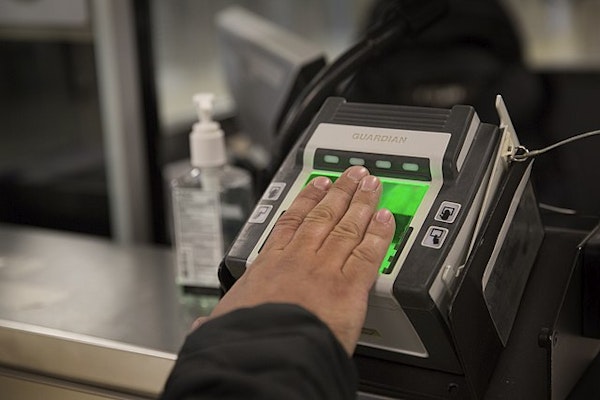
Illinois’ first jury verdict in a biometric privacy class action will likely encourage more litigation in the state and place pressure on businesses to settle those claims long before they reach trial, attorneys say.
Ninety-seven percent of Americans now own a cellphone, and 85% of those own a smartphone, a mobile device that does a lot more than just make and receive calls. In fact, a smartphone can track every aspect of a person’s life, including sleep; eating and health trends; location and movement; and social and financial alerts.
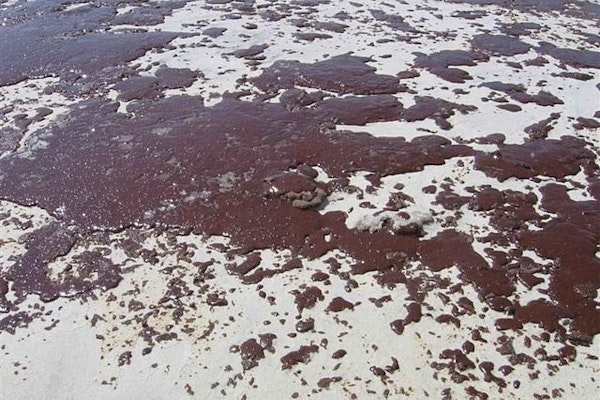
A pipeline operator has agreed to pay $50 million to thousands of Southern California fishermen, tourism companies and property owners who sued after an offshore oil spill last year near Huntington Beach.
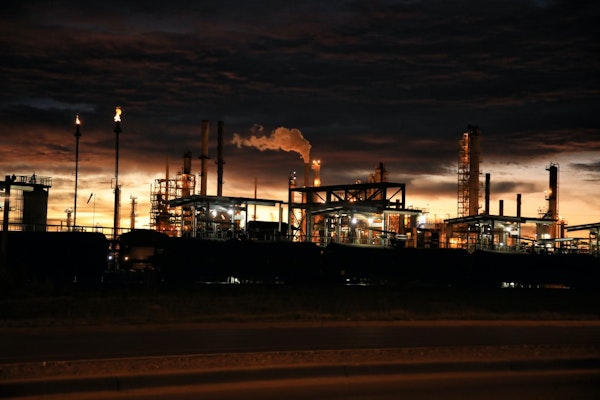
Two recently filed lawsuits, Aloha Petroleum Ltd. v. National Union Fire Insurance Co. and Everest Premier Insurance Co. v. Gulf Oil Ltd. Partnership, signal the beginning of litigation over liability insurance coverage for climate change-related lawsuits and damages. <br /><br />Underlying Claims<br /><br />Climate Change Contribution<br /><br />Since 2017, state and local governments around the U.S. have been filing lawsuits against oil and gas companies for their contribution to climate change.[2]<br /><br />The government entities allege that production and use of defendants’ fossil fuel products has created greenhouse gas pollution, which is causing global warming, sea level rise, and increased frequency and severity of extreme weather events, resulting in climate change-related injuries to the plaintiffs.
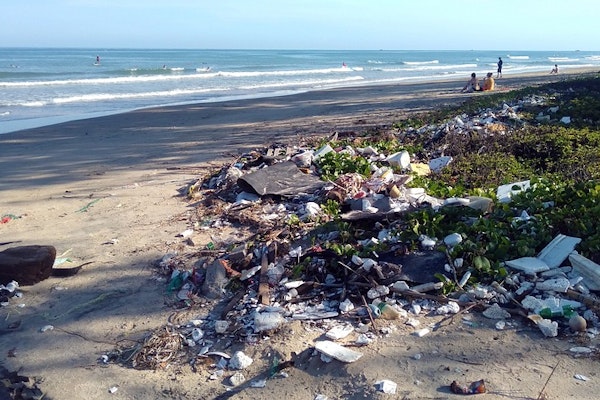
Litigation could cost the plastics industry and its insurers $20 billion in the US over the next eight years, according to a report backed by the United Nations and an Australian billionaire.
A Chevy Bolt battery lawsuit will continue in court, although several claims were dismissed in the most recent court action of the case. The Chevrolet Bolt battery class action lawsuit was consolidated from eight separate class actions.
A verdict has been served against State Farm Insurance Company, ordering the insurer to pay $6.5 million to a woman who had sued the company over unpaid collision injury claims.
Guaranteed replacement cost (GRC) coverage for rebuilding a flooded home in an area regulated by a conservation authority includes the increased regulatory compliance costs required for the rebuild, Ontario’s Superior Court has ruled in Emond v. Trillium Mutual Insurance Company.
About eight months ago, I left my job as an associate attorney in private practice to work for a Fortune 500 insurance company as a claims professional. In my new role, I handle litigation claims against rideshare drivers. Moving from counsel to counsel’s client has given me a unique view into the particulars of each role in the claims process
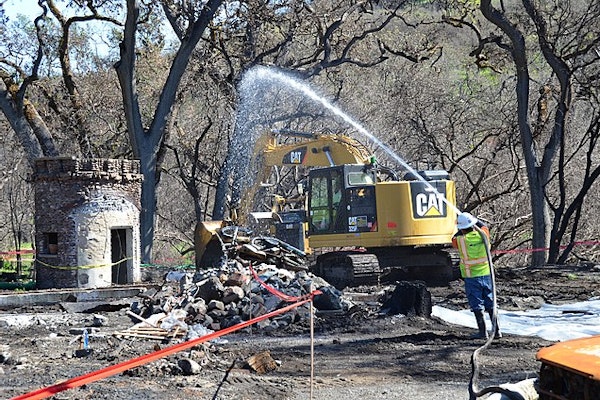
Former executives and directors of Pacific Gas & Electric have agreed to pay $117 million to settle a lawsuit over devastating 2017 and 2018 California wildfires sparked by the utility’s equipment, it was announced Thursday.