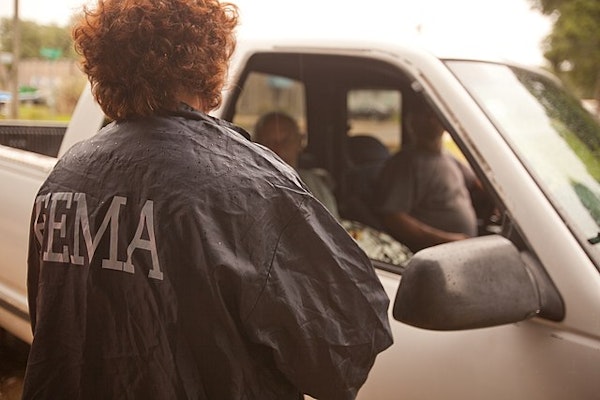
The difficult 2020 and 2021 hurricane seasons are fading from memory, but it will take a long time for Louisiana to recover. It’s not just the blue roof tarps that still dot the landscape from Lake Charles to Lafourche.
Property and casualty insurance providers across the country wrote more than $797 billion in premiums in 2021, generating about $767 billion in earned premiums, the latest industry report from the National Association of Insurance Commissioners’ (NAIC) has revealed.
Many feared that one big storm could cost every homeowner in Florida if the state-backed insurer of last resort, Citizens Property Insurance Corp., couldn’t afford to pay out claims from its more than a million policies.
By all accounts, we were extremely lucky. Just 24 hours before landfall, Hurricane Ian was expected to come ashore just south of Tampa Bay, putting my home in Bradenton in the projected direct path of a very significant storm.
The terrible devastation wrought by Hurricane Ian on Florida’s southwest coast -- among the most powerful hurricanes to hit Florida in a century -- has been wrenching to watch even from afar: so many lives lost, homes shattered and livelihoods swept away by the storm surge, winds of up to 150 miles per hour and flooding rains.
Initial data from the Florida Office of Insurance Regulation (FLOIR) reveals that more than 375,000 claims have been filed after hurricane Ian, mostly related to residential property, as the entity reports total estimated insured losses of close to $3.28 billion.
The North Collier Fire Rescue District along with Florida’s Chief Financial Officer & State Fire Marshal Jimmy Patronis stated that electric vehicles are spontaneously catching fire in Florida because their batteries suffered water damage after the floods caused by Hurricane Ian.
Guaranteed replacement cost (GRC) coverage for rebuilding a flooded home in an area regulated by a conservation authority includes the increased regulatory compliance costs required for the rebuild, Ontario’s Superior Court has ruled in Emond v. Trillium Mutual Insurance Company.
The US Federal Emergency Management Agency (FEMA) has reported that its National Flood Insurance Program (NFIP) has already received more than 25,000 claims from hurricane Ian.
Responding to a crime trend involving the theft of catalytic converters, Gov. Gavin Newsom signed two bills on Sept. 25. The new laws, the Governor’s office said, prohibit the sale of used catalytic converters by parties who aren’t licensed auto dealers or dismantlers.
The Florida insurance market capital stack is likely decimated after hurricane Ian’s landfall last week, raising the question of how this marketplace replenishes it and also highlighting the need for access to efficient sources of capital.
State Farm has released an update to a previous report it has made regarding recent trends in auto insurance claims having to do with catalytic converter thefts. The trend, though already bad in the last report, has only managed to worsen across the country.
The Federal Emergency Management Agency (FEMA) has expedited access to flood insurance dollars in the wake of Hurricane Ian, according to Chief Financial Officer Jimmy Patronis.