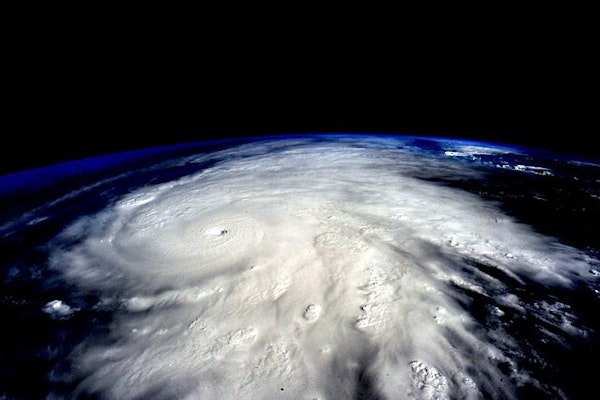
The intensity of the 2023 Atlantic hurricane season is expected to be ‘slightly below average,’ due to a likely shift of Pacific temperature conditions of the past three years from La Nina to El Nino, according to Dr. Phil Klotzbach, Triple-I nonresident scholar and research scientist with Colorado State University (CSU).
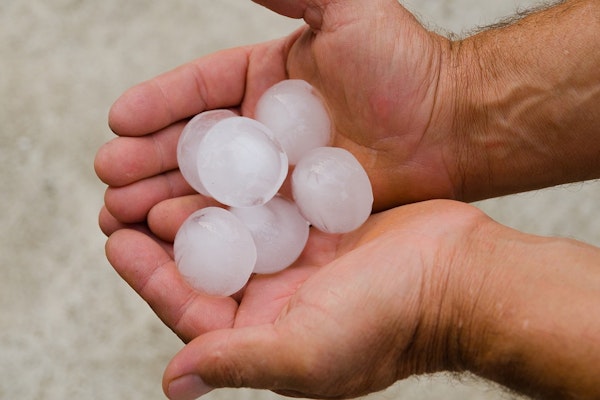
The recent outbreak of severe weather that crossed a large swath of the country reaching from the Great Lakes to the Gulf of Mexico on April 4 was responsible for more than 200 tornado reports, large hail, and hurricane force winds.
According to BMS Re, a specialised reinsurance broker, and available industry data, it is estimated that the insured losses caused by severe weather events such as hail, tornadoes, and thunderstorm wind gusts in the US during the first-quarter amount to a range of $7 billion to $9.5 billion.
A string of destructive tornadoes ripped through huge swaths of the country in recent weeks, with experts saying a warmer-than-usual winter across the South likely fueled what has been one of the busiest recorded starts to the tornado season.
Hurricane forecasting and warning systems have greatly improved in recent years, providing residents with valuable time to plan, but preparedness remains paramount in south Louisiana as another tropical storm season approaches, federal and state officials said at the start of a national conference in New Orleans on Monday.
The storms of life exist to teach valuable lessons -- literally and figuratively. In the world of insurance, post-catastrophe analysis is crucial for making effective changes in a response plan to continue improving year over year.
The United States is Earth’s punching bag for nasty weather. Blame geography for the U.S. getting hit by stronger, costlier, more varied and frequent extreme weather than anywhere on the planet, several experts said.
Global insured losses from natural catastrophes reached US$125 billion in 2022, the second consecutive year in which insured losses from NatCats exceeded US$100 billion, according to the latest sigma study from Swiss Re Institute. And it looks like this trend is here to stay.
Given the vast number of proposals to close ‘the protection gap’ offered by regulators, reinsurers, insurers, brokers and other industry participants in recent years, it is a wonder that it persists.
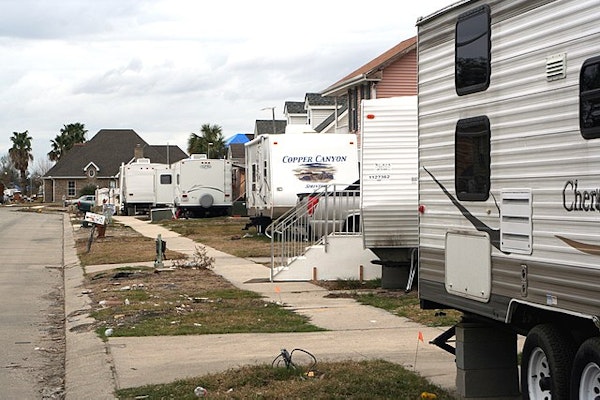
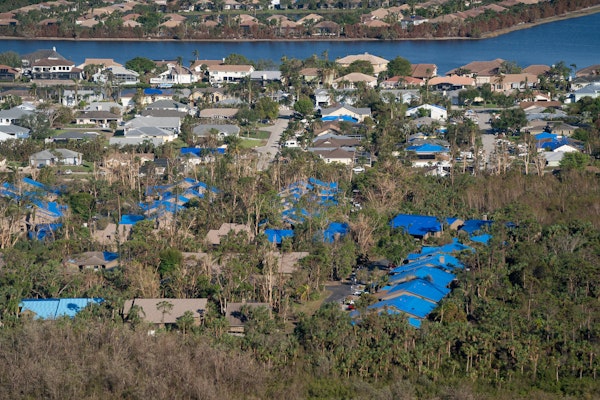
In the shadow of Lee McCall’s crumbled home sits an old RV and two tents that are now housing her family. The house, located in St. James City, is still rotting after Hurricane Ian pounded Southwest Florida in September, flooding thousands of homes, including theirs.
Wild and wacky weather events like atmospheric rivers, derechos and bomb cyclones may seem new because of recent media coverage, but they’ve been known and named phenomena for quite some time in the history of meteorology and atmospheric science, speakers said Tuesday at the CatIQ Connect conference.
Disaster insurance is more complicated than other types of property/casualty coverage, and traditional forms of risk transfer may not be sufficient on their own to effectively help policyholders bounce back from catastrophes in the long term, Triple-I non-resident scholar Carolyn Kousky said in an interview on the World Economic Forum Book Club Podcast.
Disaster insurance is more complicated than other types of property/casualty coverage, and traditional forms of risk transfer may not be sufficient on their own to effectively help policyholders bounce back from catastrophes in the long term, Triple-I non-resident scholar Carolyn Kousky said in an interview on the World Economic Forum Book Club Podcast.
A new year is here, and while only time will tell what the future holds, the past has taught our industry that there will always be an element of risk and uncertainty in this world. More importantly, the unimaginable occurs when you least expect it.
‘Insurance exists to protect that which we cannot afford to lose, and when it comes to climate change, we all have a lot to protect,’ suggests Greg Case, CEO of Aon.