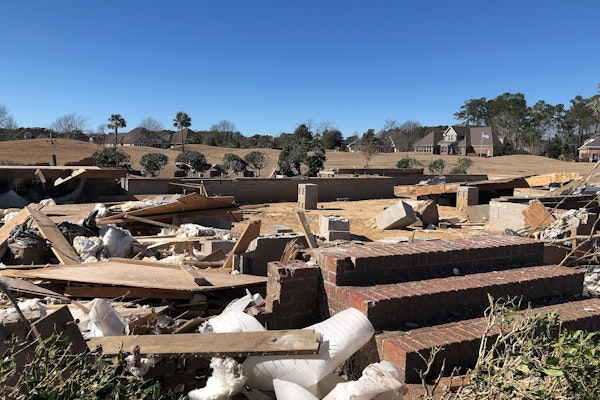
For its third annual Contractor Fraud Awareness Week, the National Insurance Crime Bureau (NICB) has chosen to highlight the issue of post-disaster contractor fraud. According to NICB, approximately 10% of the $92 billion catastrophe losses suffered by insurers in 2021 went towards post-disaster fraud.
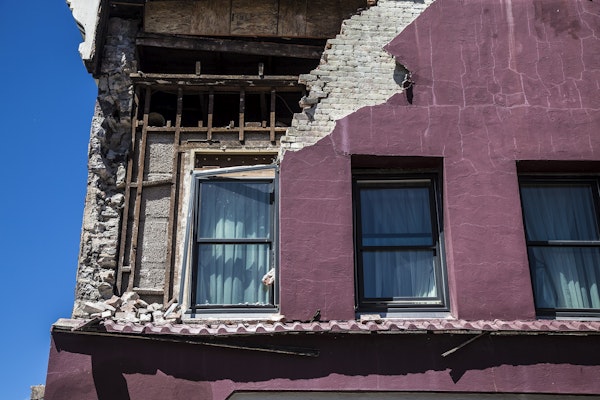
The expected annual cost from earthquake damage for California is climbing sharply amid an increase in property values and better understanding of how soft soils could result in greater damage during shaking.
In an emergency financial maneuver, the state-chartered insurance associations of Florida and Louisiana have been forced to borrow a combined $1.3 billion to cover insurance claims caused by worsening hurricanes.
The National Flood Insurance Program may undergo significant transformations as Congress deliberates 17 proposed changes, aiming to enhance the program’s effectiveness and affordability, particularly for low-income homeowners.
The National Oceanic and Atmospheric Administration (NOAA) has announced that it has upgraded its Probabilistic Storm Surge model to version 3.0, which will significantly enhance the ability to predict the storm surge of some of the world’s worst tropical cyclones.
New research has revealed that hundreds of industrial sites along the California coastline, such as oil and gas refineries and sewage-treatment plants, could be severely affected by flooding from rising sea levels, in the event of worsening climate change.
The Gulf Coast insurance crisis has hit a new low as two state-chartered insurance associations are being forced to borrow hundreds of millions of dollars for the first time in three decades to pay the hurricane claims of insolvent insurers.
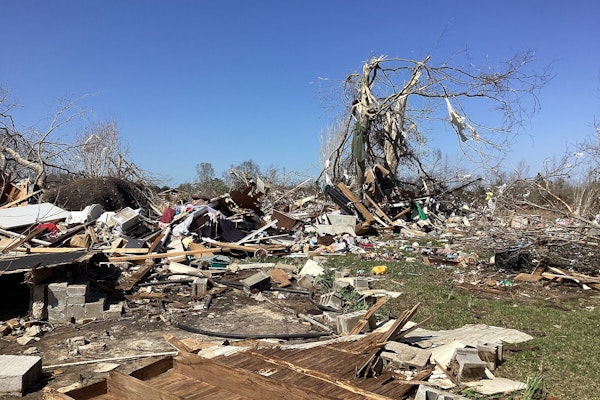
The Mississippi state insurance department has reported that insurance losses from the March tornado that swept through parts of Mississippi have reached nearly $100 million, with uninsured losses expected to surpass this figure.
Earthquakes cause $14.7 billion in damages and related losses on an annualized basis in the U.S., according to an updated estimate from the U.S. Geological Survey (USGS) and the Federal Emergency Management Agency (FEMA).
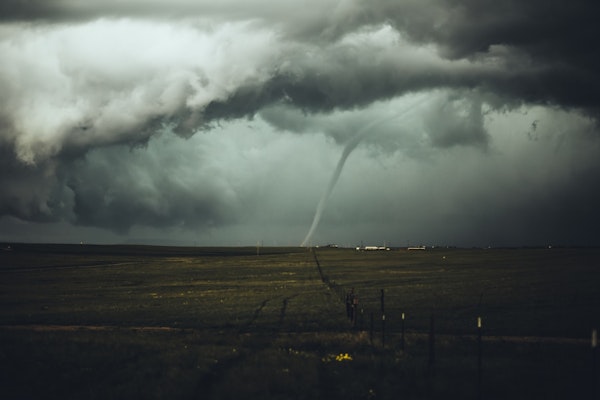
Tornadoes are becoming more frequent in populated parts of the United States and are often occurring as damaging clusters -- a development seen in recent deadly outbreaks from Alabama to Michigan.
Homes constructed in flood plains, storm surge zones, regions with declining water availability, and the wildfire-prone West are overvalued by hundreds of billions of dollars, recent studies suggest, creating a housing bubble that puts the U.S. financial system at risk.
Canadian P&C carriers appear to be taking claims adjusting expenses in-house more often than several years ago, a trend of concern to the independent adjusting community.