A tornado that tore through the Houston area on Tuesday was the kind of early-season storm that scientists say has been occurring with increasing regularity -- a sign that patterns of severe weather are shifting.
Over 100 January tornadoes have been confirmed so far in the United States this month, a tally that has been exceeded only twice in 74 years of records. Through Jan. 23, at least 102 tornadoes have been confirmed in the month, Storm Prediction Center meteorologist Evan Bentley tweeted Tuesday.
Moody’s RMS, the catastrophe risk modelling specialist, has estimated that the recent severe flooding in California, that was triggered by a spate of storms and atmospheric river events, could amount to as much as $1.5 billion in losses for the insurance industry.
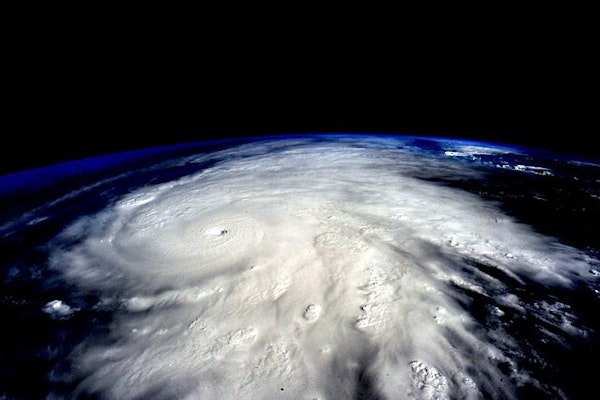
As of yesterday, the National Flood Insurance Program (NFIP) had paid USD 2.2 billion in claims for Hurricane Ian, which made landfall in Florida as a major Category 4 storm in September 2022, an increase of almost 28% from the figure reported by the US Federal Emergency Management Agency (FEMA) on January 9th, 2023.
Hurricane Ian, which thrashed Florida and the Carolinas last year, has claimed the No. 3 spot in the list of 10 most expensive hurricanes in U.S. history, according to a new report from the National Centers for Environmental Information.
The insurance industry is struggling to adapt to a new normal in which losses fueled by climate change are now regularly exceeding $100 billion a year.
The large coverage and long duration of drought conditions across the U.S. set several records in 2022. The year was also marked by numerous severe weather events, devastating hurricanes and deadly flooding across parts of the country.
More than 1.3% of the adult population in the U.S. was displaced by natural disasters in the past year, with hurricanes responsible for more than half of the forced relocations, according to first-of-its-kind survey results from the U.S. Census Bureau.
Insured damages from Hurricane Fiona are now estimated at over $800 million, according to Catastrophe Indices and Quantification Inc. (CatIQ), as it remains the most costly extreme weather event ever recorded in Atlantic Canada.
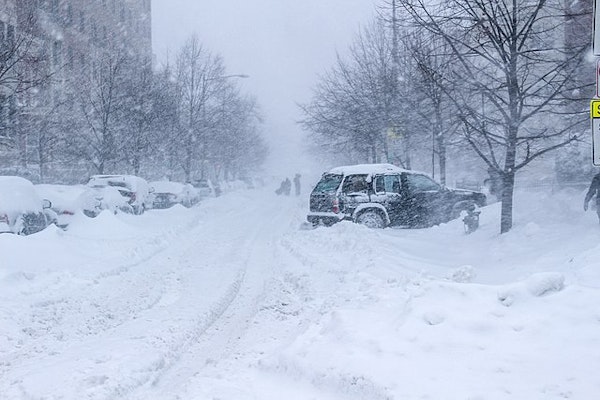
Global insurers and reinsurers look set to incur costs stretching into the multi-billion-dollar range from the ongoing winter storm and severe cold weather impacting the United States and Canada.
Supply chain problems aren’t going away any time soon for insurance adjusters. Home improvement retailers and warehouses have been plagued by empty shelves since the first year of the COVID-19 pandemic. And goods scarcities for everything from lumber to La-Z-Boys have driven cost increases that make home insurance claims settlements more expensive.<br /><br />‘It’s going to take a while, in terms of the supply chain getting back to what the demand is,’ said Janak Lally, assistant vice president at ClaimsPro – BC Lower Mainland & Interior. ‘You’re waiting on products for a long time.’<br /><br />Lately, that’s been particularly true for home appliances – which makes adjusters’ jobs harder if they’re trying to control costs while getting clients’ lives back to normal following NatCats or other events where homeowners experience contents losses.
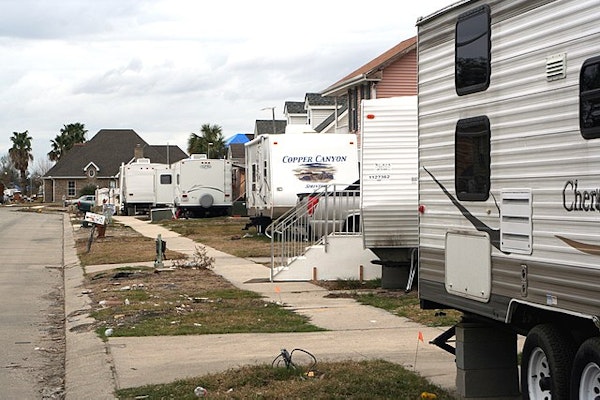
Florida Gov. Ron DeSantis on Friday signed legislation providing hurricane relief assistance and moving to shore up the state’s property insurance market in the wake of Hurricanes Ian and Nicole this year.
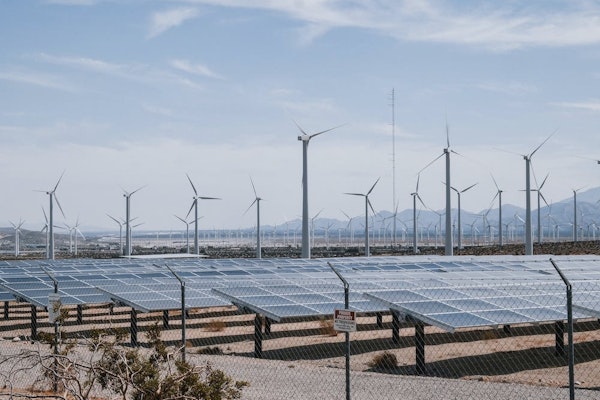
The insurance industry may turn its back on the renewable energy sector if it endures another year of unprecedented natural catastrophe losses like 2022.
On July 26, Brandon Jones’s St. Louis home was hit by major flooding for the second time since 2008, when he moved in. Cars were barely visible under several feet of turgid storm water, as record rainfall fell on the city.
Arbol, an insurtech platform underwriting climate and weather insurance, has delivered a $10-million parametric insurance payout to property and casualty (P&C) company Centauri Insurance, only weeks after the hurricane struck in late September.