In case you weren’t aware, there’s a pandemic currently sweeping our nation, and the convulsions caused by COVID-19’s impact on our personal lives have only been rivaled by those felt in our professional ones.
Small businesses trying to get their state legislatures to force insurance companies to cover coronavirus losses are coming up against an opponent many might not have expected: the U.S. Chamber of Commerce.
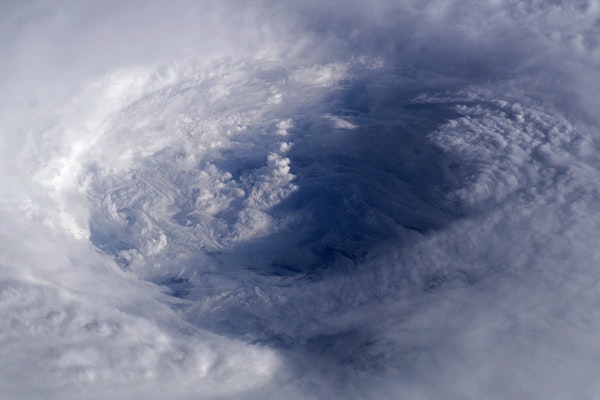
With the 2020 Atlantic hurricane season fast approaching, U.S. officials on Thursday said they were readying more buses, hotel rooms and shelter space for social distancing to reduce the spread of the novel coronavirus during potential evacuations.
Currently, there is a movement by some industry personnel and legislators to expand the Terrorism Risk Insurance Act (TRIA) to include pandemics. There is a discussion draft of a bill, and a summary of that bill here. So, is a federal backstop program that is part of, or similar to, TRIA feasible or advisable?
With the pandemic only now becoming a litigious one as businesses line up to sue insurance companies for not paying out on business interruption claims, it might seem that insurers wouldn’t be impacted financially by the health crisis at this stage. However, as Q1 results start trickling in, it’s becoming evident that some insurers’ first figures for 2020 have been overshadowed by the coronavirus outbreak.
In a case where no insurance company or insurance claim was involved, the Pennsylvania Supreme Court issued a ruling that could potentially negate one of the insurance industry’s standard bases for denial of coverage of business income claims—i.e. that COVID-19 did not result in “direct physical loss to insured property.”
Insurance broker Willis Towers Watson (WLTW.O) on Friday estimated general insurance losses between $32 billion and $80 billion across key classes in the United States and UK from the novel coronavirus, surpassing claims from the 9/11 attacks.
Hurricane Harvey caused catastrophic flooding in 2017, killing 68 people and costing $125 billion in damages. One reason it was so destructive is that it moved unusually slowly and remained over the same area for days — and as the world warms, there are going to be a lot more slow-moving tropical cyclones like Harvey, according to high-resolution climate models.
Chubb Ltd Chief Executive Officer Evan Greenberg released a statement warning that the coronavirus will be the largest event in insurance industry history.
The Consumer Federation of America (CFA) has published its own critical review of the auto insurance premium relief measures insurance companies have offered in the past few weeks in response to the COVID-19 pandemic, finding that while some insurers have been incredibly supportive, others have been slow to respond to calls for lowered premiums.
In the rush to protect businesses and consumers from financial disaster, state governors around the nation are enacting a variety of rules and requirements to help provide relief to people struggling with the economic impact of COVID-19.
Twenty years ago, corporate risk managers had near-zero public visibility. Most were back-office staffers who focused on securing insurance for environmental and real estate problems (tornadoes, fires, earthquakes, facilities breaches). Young people didn’t aspire to be risk managers: There were just a dozen small academic programs in the U.S. focused on the career.
Barbara Snowden dreamed of opening a wig shop to help women who’d lost their hair during chemotherapy feel better as they battled cancer. In November, she beamed at the grand opening of Hair Goals Club in the Houston suburb of Humble, Texas.
Four months ago, Pacific Gas & Electric seemed poised to emerge from bankruptcy after reaching a $13.5 billion settlement with tens of thousands of people who lost homes in wildfires started by the utility’s equipment.
Insurance product creation historically has been based on historical data — the rearview mirror view. It always has been, and there is value in doing so. Past trends are likely to be repeated, and coverages and rating need to reflect that. And insurance departments require years of historical data to approve changes. However, there is a fundamental change afoot that cannot be ignored.