COVID-19 has blindsided the world. We are witnessing the unimaginable—tremendous numbers of fatalities in Asia, Europe, and North America, overwhelmed healthcare systems, mass shortages of supplies, and widespread travel restrictions.
Insurance companies are facing political pressure to pay what could be a crippling sum of coronavirus-related claims — even though many of them say their policies don’t cover pandemics.
Right now, in the midst of the COVID-19 crisis, it is tough to imagine the fertile environment for insurtech start-ups that the sector has enjoyed can last much longer. The crunch from social distancing, if not out-and-out restrictions on economic activity, will undeniably freeze the flow of cash to untested ideas.
Small-business owners banking on their so-called business disruption insurance to bail them out of the mounting losses being inflicted by the COVID-19 pandemic may be in for a rude shock. That’s because a little-known condition of coverage put in place in 2006, a few years after the SARS outbreak, excludes coverage for any “loss due to virus or bacteria.”
There is a saying, often attributed to radical author Saul Alinsky, but which can be traced to other sources including Winston Churchill. It is, “Never let a good crisis go to waste.” It is a maxim that often seems to get deployed whenever any tragedy or conflict arises.
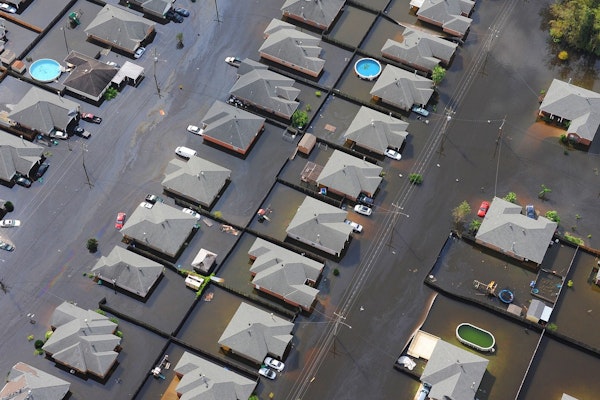
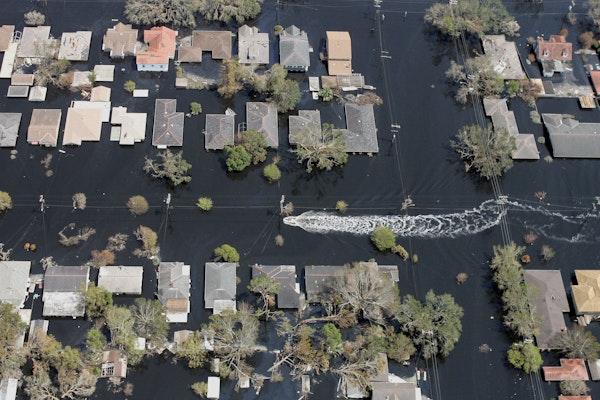
An international team of scientists, led by the University of Bristol, has found that current estimates of flood risk rely upon methods for calculating flood damage which are inadequately verified and match poorly with observations.
The Insurance Council of Australia (ICA) has officially declared the coronavirus (COVID-19) outbreak to be an ‘insurance catastrophe,’ following its designation as a pandemic by the World Health Organisation.
Having initially brushed off the potential impact from coronavirus-linked claims, global insurers are waking up to the prospect of a double whammy - a sharp rise in payouts at a time of big investment losses.
One of the tornadoes that ripped through Middle Tennessee early Tuesday was a "violent" monster that left at least 18 dead in one county, according to officials.
State laws that require homebuyers to be told about a property’s flood risk can help mitigate some effects of climate change by reducing the value of flood-prone properties and discouraging development in floodplains, a new study finds.
Insurance flood claims have a much broader societal impact than on just the property and casualty insurance industry alone — which is another reason why it is critical to start adopting flood mitigation and prevention measures now, a climate expert told a recent conference.
An underwriter can be deemed the wizard of the insurance industry, peering into his/her magic ball to ensure they are well-positioned to react to a culture shift in an ever-changing market.
With an insurance crisis causing widespread disruption throughout the state, California regulators rolled out legislation that would force insurance companies to offer coverage in areas where communities and property owners have “hardened” their homes against wildfire risk.
Climate change is spurring a new, deep dive into a complex, little-studied weather system blamed for creating billions of dollars in flood damage across the western U.S.