The examination under oath (EUO) is a highly effective tool for the investigation of first-party claims. There is a wealth of information available to the defense bar on the parameters of an EUO and the case law surrounding it.
As we grapple with the human and personal effects of COVID-19, the pandemic is forcing companies to closely examine their corporate insurance programs to determine where, if at all, coverage can provide some relief to the economic losses that COVID-19 will cause.
As the competition for talent in our industry heats up, third party recruiters will take a more important role in staffing across the industry. If you haven’t been contacted by one yet, you will (especially if you’re following our advice and making yourself more valuable), and we want you to make sure you’re prepared to make the most of it.
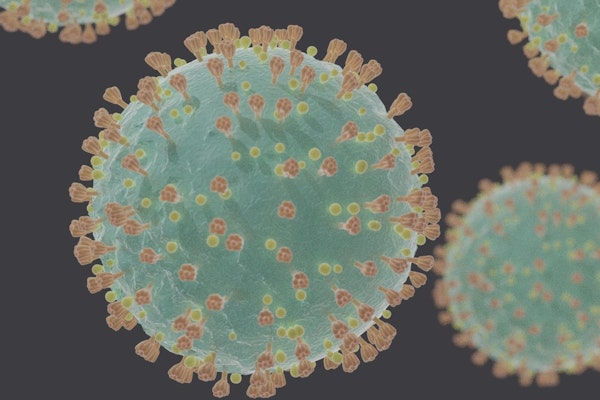
COVID-19 has blindsided the world. We are witnessing the unimaginable—tremendous numbers of fatalities in Asia, Europe, and North America, overwhelmed healthcare systems, mass shortages of supplies, and widespread travel restrictions.
If I could boil down everything I have learned about productivity into one simple message, it would be this one: Do What Matters Most. Start your day with your most important task. Focus on your ONE thing.
The Risk Institute at The Ohio State University Fisher College of Business recently released data from its Fifth Annual Survey. Ninety-five percent of firms reported impending impact due to the mass retirement of baby boomers, with 60% saying it will have a high to moderate impact.
The chances of contracting the Coronavirus (also called “COVID-19”) are slim, but the number of those infected is increasing daily. It is only a matter of time before a worker contracts COVID-19 through their place of employment (i.e., a doctor, emergency responder, etc.). After a worker exposed to the Coronavirus contracts the disease, there could be grounds for a valid a workers’ compensation claim for an industrial injury.
Government regulators and agencies are vested with increasingly significant powers to investigate—and potentially prosecute—companies and individuals suspected of wrongdoing. Such investigations are fraught with insurance implications, including, critically, whether and when such an investigation constitutes a claim under an insured’s professional liability policy, thereby triggering a carrier’s defense obligations.
As the coronavirus (COVID-19) forces the cancellation of countless events, businesses are finding themselves assessing both their losses and their remedies. Suddenly, that boilerplate language in the fine print of contracts discussing an “Act of God” has taken on a whole new level of importance.
Much has been written over the years about what sets great claims organizations apart from all others, but none of these analyses really apply anymore.
If the COVID-19 pandemic has taught the world anything, it’s that each event is different from the last. It’s not enough to have an abstract plan in place when disaster strikes. The most effective disaster recovery and business continuity (DR/BC) plans are those that organizations practice routinely.
The nature of mature, and by inference effective, risk management programs has claim management as a key focus as well. While risk maturity is directly correlated with risk effectiveness, this latter term encompasses a much broader perspective on things that matter.
As the world continues to deal with the fallout from the coronavirus, it occurred to me there may be some analogies that fraud-fighters may draw from this worldwide pandemic to help us better understand our own battle against insurance fraud.
The secret to success is perhaps that there is no secret. Observation of successful people can give some insight as to what differentiates them from the crowd since their habits are on display for all to see.