Despite concerns from rating agencies, industry experts assure that Florida’s home insurance market has enough reinsurance and financial resilience to withstand additional hurricanes this season.
Property insurance claims from Hurricane Milton have reached 123,000, triggering concerns over reinsurance price hikes and higher property insurance rates in Florida, where losses are estimated at $1.5 billion so far.
ICEYE’s initial data suggests that Hurricane Milton has caused damage to as many as, or more than, 150,000 buildings in Florida, a count that rivals Hurricane Helene’s impact. Early loss estimates range from $15 billion to $40 billion.
Hurricane Milton’s devastation in Florida is forecasted to trigger up to $60 billion in insured losses, with reinsurance rates expected to rise as the global insurance industry absorbs the impact.
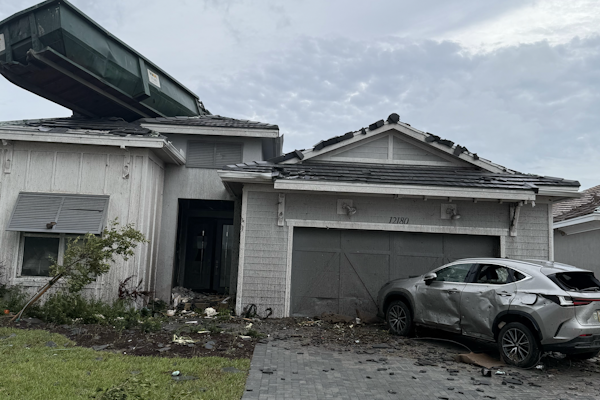
A powerful tornado, part of Hurricane Milton’s aftermath, caused significant damage in Palm Beach Gardens, Florida, including launching an industrial dumpster onto a home’s roof.
After Hurricane Milton weakened before landfall, investors in catastrophe bonds are facing losses well below earlier estimates, with single-digit hits predicted instead of the feared 15%.
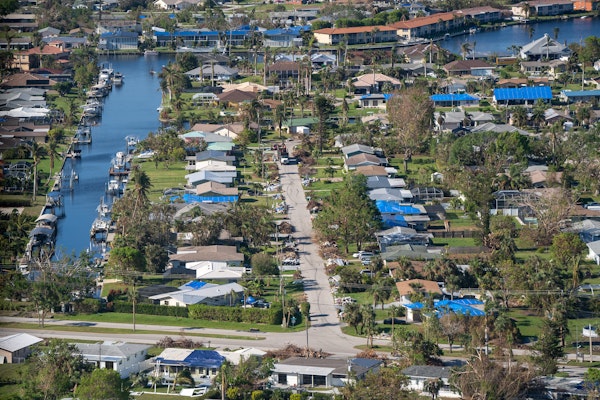
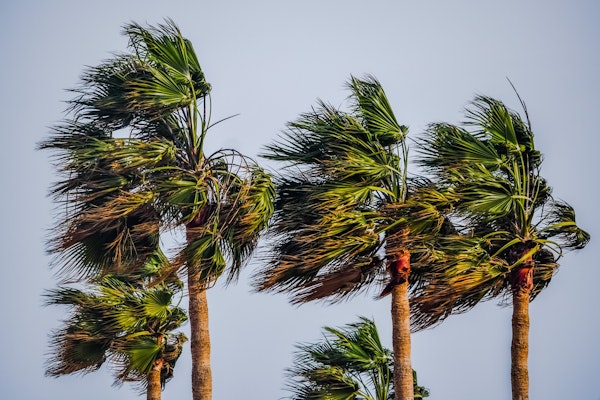
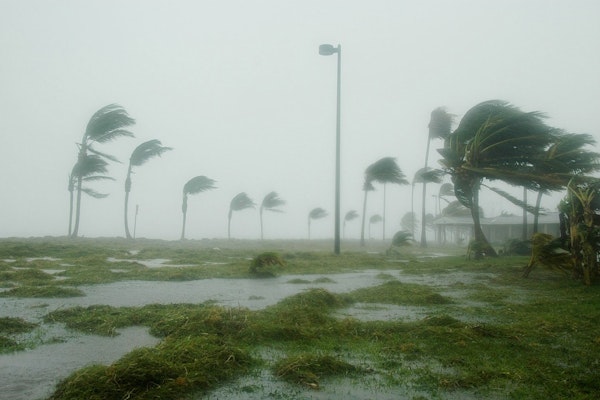
Hurricane Milton brought intense winds, widespread destruction, and left millions without power in Florida. While storm surge impacts were less severe than anticipated, damage to homes, power lines, and infrastructure is widespread.
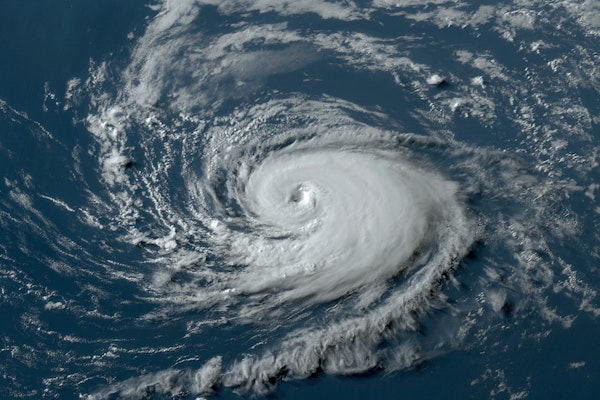
Moody’s reports that Hurricane Milton, which struck Florida as a Category 3 storm, will likely impact both primary insurers and reinsurers, with ceded losses increasing as total damages rise.
Despite recent hurricane challenges, Florida’s property insurance market is showing resilience, with reforms leading to rate reductions, new insurer entries, and declining reinsurance costs in 2024.
Florida’s CFO Jimmy Patronis has introduced an emergency rule to improve the claims adjustment process, requiring adjusters to disclose changes to damage estimates and provide detailed explanations for any modifications, ensuring transparency for insurance policyholders.
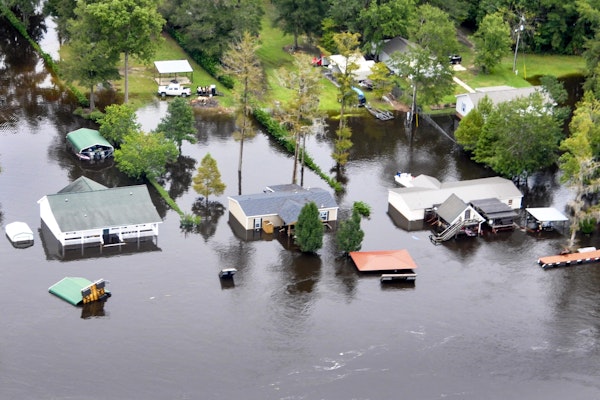
Hurricane Helene, a Category 4 storm, caused catastrophic flooding and destruction from Florida’s coast to the Southern Appalachians. Research shows climate change intensified its rainfall, winds, and flooding risks.
As climate change fuels stronger storms, the Saffir-Simpson scale’s wind-only focus is outdated. A refined system accounting for flooding, storm surge, and storm duration could improve safety and insurance coverage.
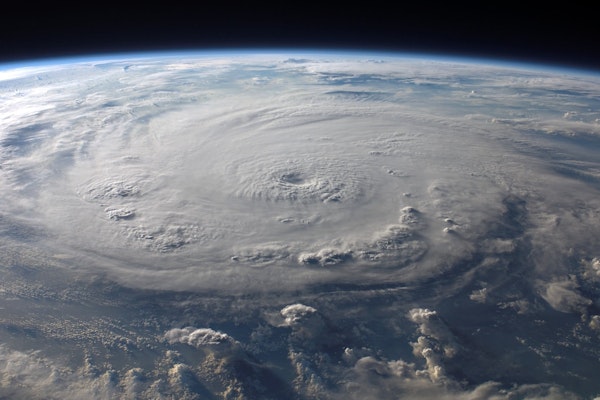
Hurricane Milton, a Category 5 storm expected to strike Florida, threatens to deplete U.S. property/casualty insurers’ catastrophe budgets and test global reinsurers’ limits, though most are expected to weather the storm without significant capital impacts.
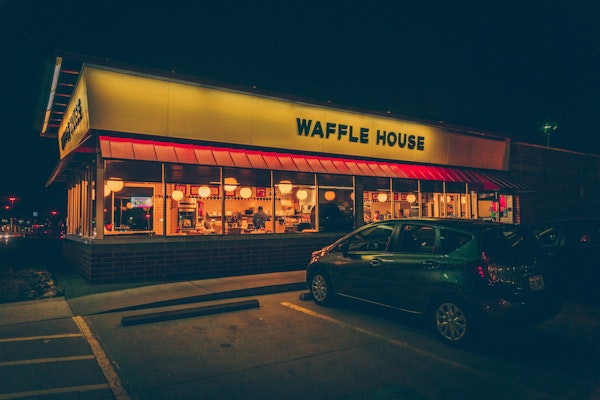
The Waffle House Index, a quirky yet reliable gauge of storm severity, shows widespread closures across Florida as Hurricane Milton approaches, warning of significant damage and disruption.
Florida officials are cautioning residents about the potential fire hazards posed by lithium-ion batteries in EVs and other devices, urging proactive steps to prevent accidents as Hurricane Milton approaches.