Federal prosecutors say Kevin Kolenda collected premiums for prize coverage but used aliases, a nonexistent claims department and other tactics to avoid paying claims when contestants won insured prizes.
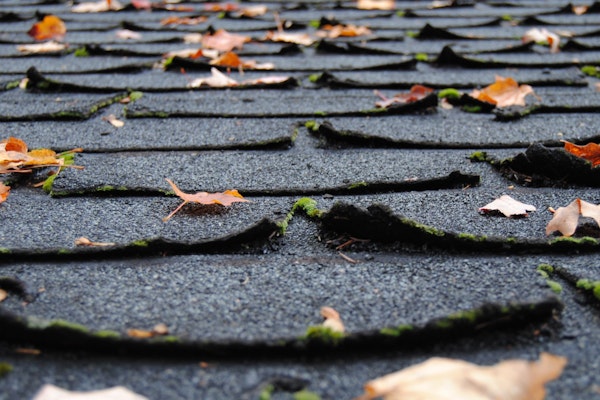
Two Charlotte brothers pleaded guilty after a Wake County sting used a ‘bait house’ to investigate intentional roof damage designed to generate repair work and support an insurance claim.
State investigators allege a North Carolina woman submitted 17 forged health insurance claims totaling more than $123,000. The investigation began after Blue Cross Blue Shield of North Carolina reported suspicious claims.
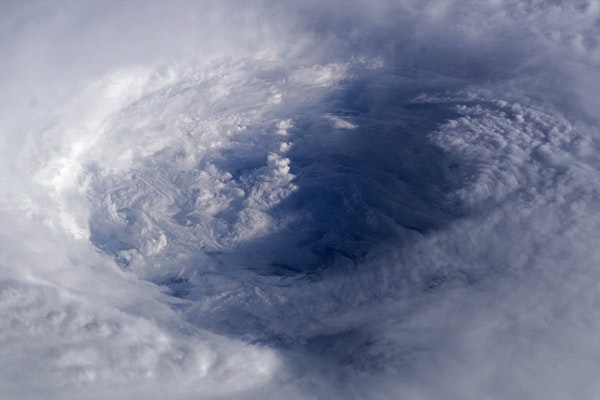
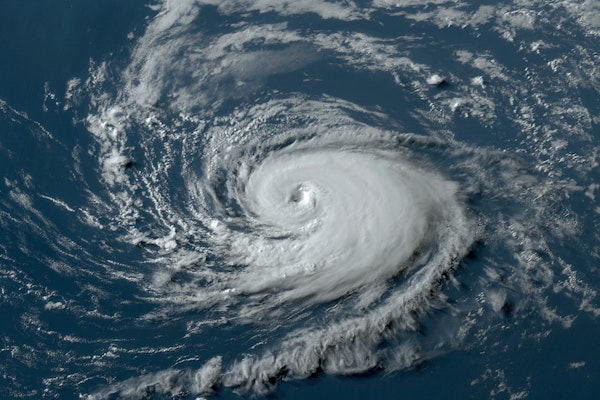
August brings warmer ocean waters, lower wind shear, and more tropical waves, creating conditions that favor hurricane development. Early August activity can also offer clues about how active the rest of the Atlantic season may become.
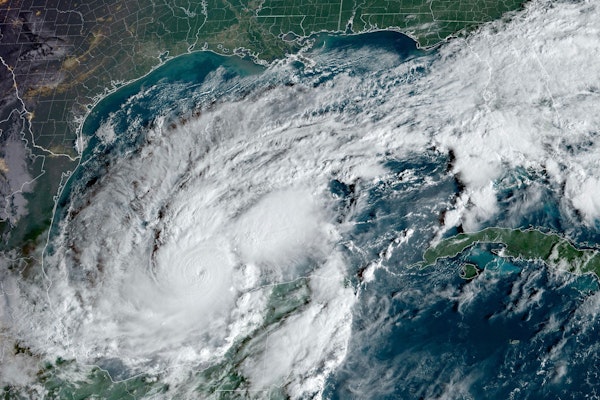
Forecasters say El Niño reduces activity in the Atlantic’s traditional hurricane breeding grounds while increasing the importance of storms developing in the Gulf and western Atlantic. Warm ocean temperatures could make those systems more significant for coastal communities and insurers.
Two new studies conclude that mitigation discounts encourage home hardening for some property owners but fail to overcome affordability barriers for many households, even as climate-driven insurance costs continue to rise across much of the Southeast.
Utility warns record electricity demand could force outages in the Carolinas unless generators are allowed to temporarily exceed environmental permit limits during a multi-day heat event.
Federal prosecutors said insurance company reserves were diverted through affiliated entities, leaving thousands of policyholders still owed more than $1 billion while regulators uncovered bribery and fraud allegations.
A North Carolina jury awarded $101 million in a retaining wall collapse lawsuit tied to a 2021 construction accident that killed one worker and seriously injured three others. The case highlights contractor liability, construction site safety failures, and the legal exposure tied to engineering and permitting decisions.
The National Hurricane Center has begun issuing daily Atlantic Tropical Weather Outlooks for the 2026 season. No tropical cyclone formation is expected over the next seven days, but parts of Florida and the Southeast Coast are being watched as higher-risk areas this year.
Rising deductibles, aging vehicles, and increasing bodily injury costs are concentrating risk and reshaping how claims are filed, evaluated, and settled.
A prolonged Arctic outbreak brings snow, crashes, power outages, and freeze losses across the Southeast, raising claim concerns from auto accidents to Florida citrus damage.
State investigators and Farm Bureau staged a bait house to catch a roofing contractor fabricating wind and hail damage in an alleged insurance fraud attempt.
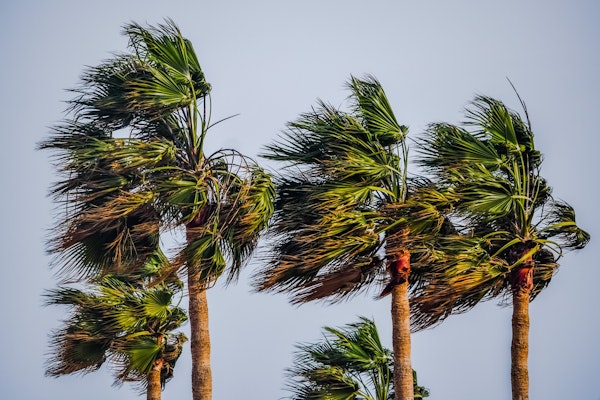
New research links a warming Atlantic to more extreme hurricane activity, with Florida, New York, and the Carolinas facing sharp increases in storm-driven insurance claims.