

What is Super Fog? The Mix of Smoke and Dense Fog Caused a Deadly Pileup in Louisiana
The National Weather Service called it ‘super fog’ — a combination of thick smoke from fires in marshy wetlands of south Louisiana and the fog that often hangs thick in the air on cool, windless mornings.
October 27, 2023
Catastrophe
Liability
Louisiana
The Threat of Tornadoes and Severe Weather Rises in the South
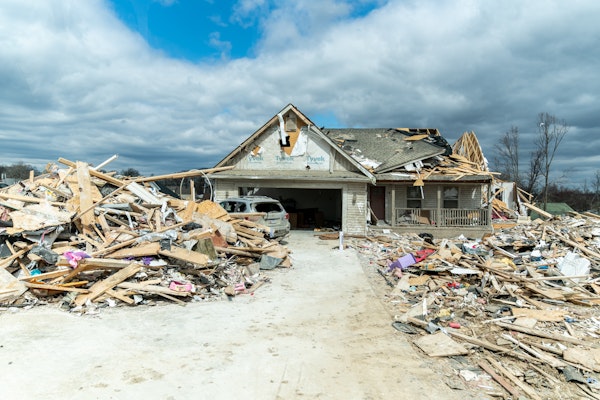
Portions of the South are facing the increased threat of severe weather and tornadoes this time of year. We are in the period known as the ‘second tornado season’ for many residents in the south. The American Property Casualty Insurance Association (APCIA) urges residents, particularly across the South and southern Plains to stay vigilant.
October 5, 2023
Catastrophe
Education & Training
Property
Risk Management
Alabama
Arkansas
Florida
Georgia
Kansas
Property Insurers’ Exodus Presents Challenges and Opportunities
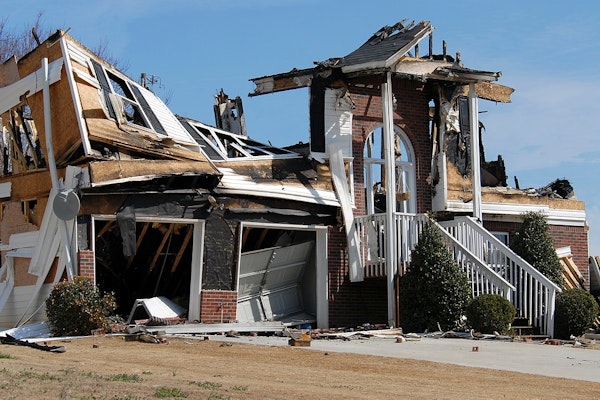
The exodus of some insurers from states badly affected by catastrophic climate-related events represents an opportunity for the carriers that remain, but comes with a need to understand the potential effect it has on customer perceptions, according to the J.D. Power 2023 U.S. Home Insurance Study.
October 4, 2023
Catastrophe
Property
Risk Management
California
Florida
Louisiana
It’s Not an "Insurance Crisis" -- It’s a Risk Crisis
Ten states -- Louisiana, Florida, Idaho, Kentucky, Mississippi, Montana, North Dakota, South Carolina, Texas, and Virginia -- as well as additional plaintiffs, are suing the Federal Emergency Management Agency (FEMA) over its new methodology for pricing flood insurance, Risk Rating 2.0.
September 21, 2023
Legislation & Regulation
Property
Florida
Idaho
Kentucky
Louisiana
Mississippi

Climate Change’s Toll on Homeowners and Insurance
Millions of American homeowners are confronting a growing financial dilemma as climate change-driven wildfires and floods push their home insurance rates to unprecedented levels. The situation is compounded when insurers decide to withdraw coverage.
September 21, 2023
Insurance Industry
Property
California
Florida
Kentucky
Louisiana
South Dakota

Southern Louisiana Fights Against Massive Flood Insurance Rate Hikes
Increases in federal flood insurance premiums that are projected to surpass 700% over the coming years are already leading people to back out of home purchases and will likely lead to an exodus of residents and businesses from southern Louisiana, officials told a federal judge Thursday in New Orleans.
September 18, 2023
Legislation & Regulation
Litigation
Property
Louisiana
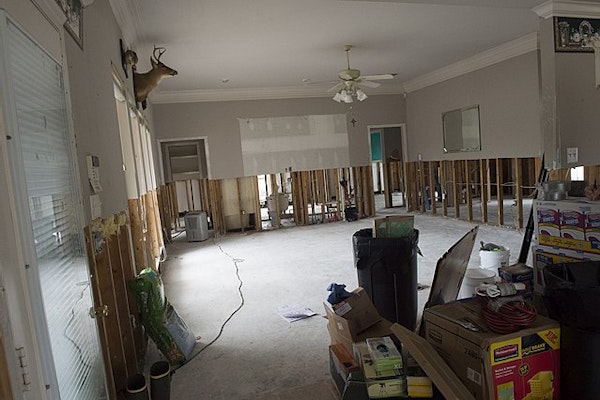
States Urge Judge to Reject Dismissal Motion in Flood Insurance Lawsuit
Florida and other states are trying to fend off an attempt by the Biden administration to end a lawsuit challenging changes to the National Flood Insurance Program that have led to higher premiums for many property owners.
September 8, 2023
Legislation & Regulation
Litigation
Florida
Idaho
Kentucky
Louisiana
Mississippi

Texas Insurance Adjuster Sentenced to 20 Years for Hurricane Ida Fraud
An insurance adjuster from Texas was sentenced to 20 years in prison for pocketing more than $200,000 in insurance payouts meant for St. Charles Parish residents who filed claims to repair damage to their property following Hurricane Ida, according to the St. Charles Parish District Attorney’s Office.
September 5, 2023
Fraud
Property
Louisiana

Louisiana Wildfire Threatens Homes and Devours Acres
One of the largest wildfires in Louisiana history is continuing to spread and threaten rural communities. The Tiger Island Fire, which started about five miles east of the Texas state line, doubled in size over the weekend, growing to more than 33,000 acres -- accounting for more acres of burned land than the state usually has in an entire year.
August 30, 2023
Property
Louisiana

Negotiations Commence Over New Orleans Hard Rock Hotel Collapse
Nearly four years after the catastrophic collapse of the Hard Rock Hotel in Downtown New Orleans in October 2019, settlement negotiations begin for the families of the victims.
August 30, 2023
Liability
Litigation
Louisiana
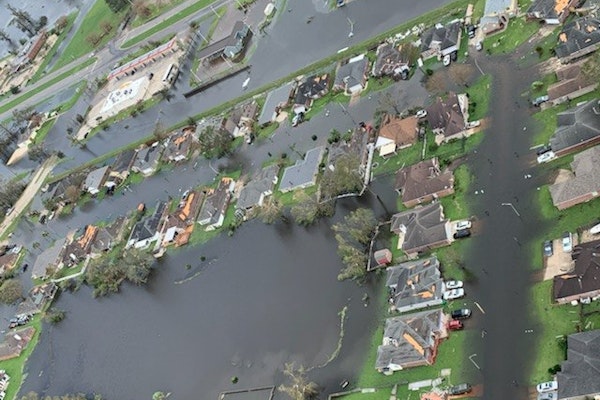
Hurricane Ida Claims Litigation Deadline Approaches in Louisiana
As the one-year anniversary of Hurricane Ida approaches, Louisiana Insurance Commissioner Jim Donelon has issued a reminder about the approaching deadline for initiating legal proceedings against insurance providers.
August 23, 2023
Litigation
Property
Louisiana

Federal Probe into Staged Louisiana Interstate Wrecks Nets More Defendants
Federal prosecutors have secured charges against five more people in an alleged years-long scheme to crash cars into big rigs and buses on New Orleans freeways for millions in insurance money.
August 17, 2023
Auto
Fraud
Liability
Litigation
Louisiana

The Saga of Suspended Law Firm MMA and Missing Insurance Payouts Continues
When Hurricane Laura hit Lake Charles in August 2020, Aaron Sonnier’s roof was badly damaged. He was lucky: his insurance company quickly paid for repairs. But when he started noticing more damage to the house in the following months, things got messy.
August 9, 2023
Fraud
Litigation
Property
Louisiana
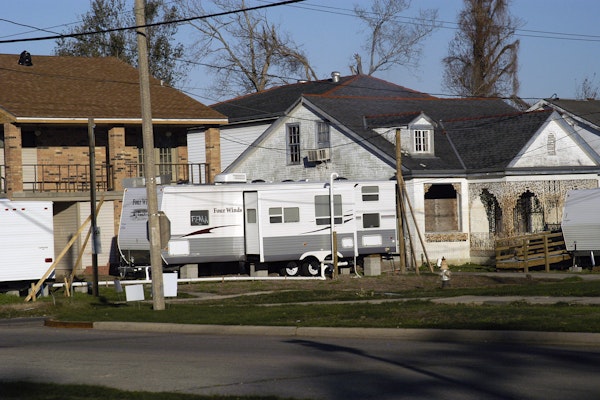
LIGA and Unpaid Claims: Accountability Concerns Mount for Homeowners in South Louisiana
South Louisiana homeowners are increasingly seeking compensation from the Louisiana Insurance Guaranty Association (LIGA) after a series of financial difficulties led a dozen insurers to enter receivership over the past 18 months. With approximately 40,000 unsettled claims left in their wake, homeowners are eager for resolution and payment.
June 26, 2023
Litigation
Property
Louisiana

Insights from the Insurance Litigation Report: Louisiana’s Western District Tops the List
From 2020 through 2022, the highest number of insurance cases in the U.S. were filed in the Western District of Louisiana, according to a new report from LexisNexis company Lex Machina.
June 23, 2023
Liability
Litigation
Property
Louisiana