AI tools are transforming diagnostic accuracy but may also embed systemic biases, raising exposure to malpractice and civil rights litigation. Claims professionals must monitor this evolving risk vector.
Resilience experts warn that AI-powered threats, ransomware evolution, and rising litigation will challenge insurers and claims professionals in unprecedented ways.
As healthcare costs rise, more employers are adopting stop loss coverage to manage catastrophic medical claims. AI-driven underwriting and flexible policy structures are shaping the future of the market.
While insurance customers embrace AI for routine tasks, many resist its use in claims handling and pricing due to concerns about fairness and transparency.
A sharp increase in units affected by product recalls signals a shift in risk exposure, with implications for insurers, claims handlers, and supply chain managers navigating evolving regulatory demands.
Three leading insurers—AIG, Great American, and WR Berkley—are pursuing regulatory approval to limit their liability for claims tied to artificial intelligence technologies, a move that could reshape the risk landscape for businesses deploying AI systems.
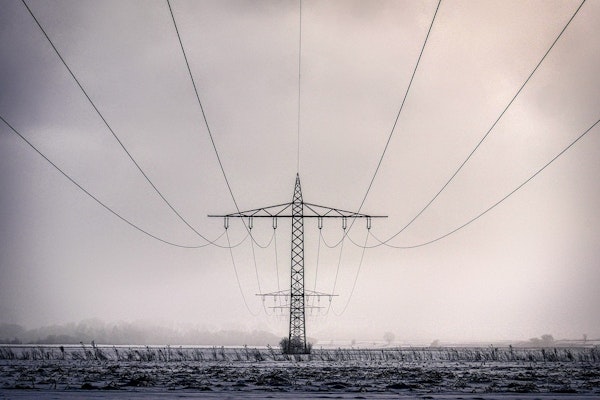
NERC’s latest report highlights severe winter reliability threats in several U.S. regions due to surging electricity demand, limited fuel availability, and slow infrastructure upgrades.
NTSB blames wiring flaw and outdated bridge protections for the catastrophic March 2024 collapse that killed six. Report flags national infrastructure risks.
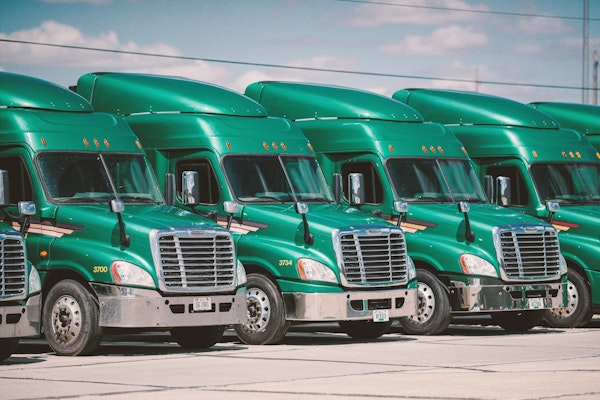
Motive’s AI dash cams and real-time data tools are helping GEICO policyholders prevent accidents, cut costs, and resolve claims faster. Commercial fleets can now qualify for premium discounts by sharing telematics data.
Coalition’s active insurance model blends AI, data, and continuous monitoring to mitigate cyber threats before claims arise. This approach signals a shift in how insurers manage both digital and physical risks.
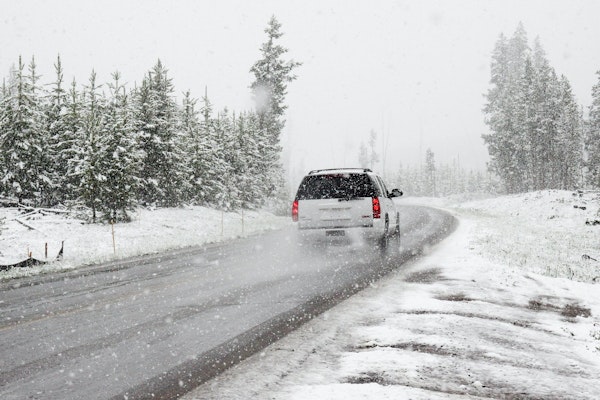
Winter weather contributes to a rise in rear-end, lane-change, and single-vehicle collisions. Data underscores the need for seasonal claims preparedness and driver safety outreach.