Dr. Richard Victor, founder of WCRI and senior fellow at the Sedgwick Institute, recently released a book focusing on futuristic scenarios for the workers’ compensation industry in macroeconomic terms. Victor’s book, entitled Scenarios for the 2030s: Threats and Opportunities for Workers’ Compensation Systems, is a wide-ranging and rigorously researched manifesto, addressing everything from the intricacies of labor shortages in the U.S. to health care reform and case shifting.
There is much discussion right now on the impact that COVID-19 (Coronavirus) will have on workers’ compensation. Most of this discussion has focused on the potential for claims activity arising from the virus.
When employees work remotely from home or other locations, the normal rules of course and scope can become complicated and confusing. The same is true of subrogation potential. When the employee is injured in their home, subrogation targets tend to shrivel up and blow away.
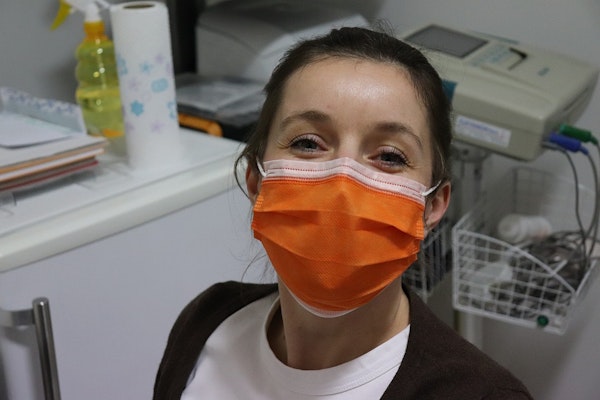
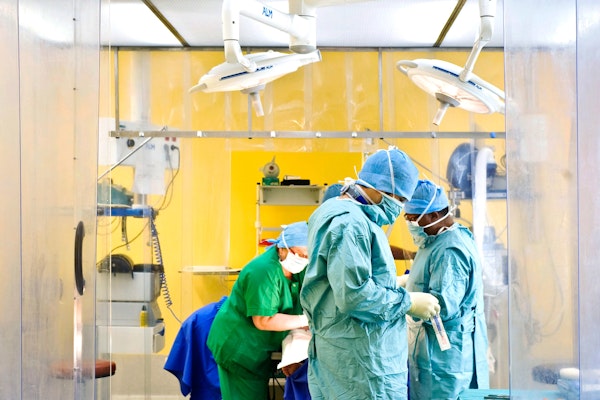
The chances of contracting the Coronavirus (also called “COVID-19”) are slim, but the number of those infected is increasing daily. It is only a matter of time before a worker contracts COVID-19 through their place of employment (i.e., a doctor, emergency responder, etc.). After a worker exposed to the Coronavirus contracts the disease, there could be grounds for a valid a workers’ compensation claim for an industrial injury.
The chorus of Prince’s “Raspberry Beret,” Dolly Parton’s “Jolene,” Toto’s “Africa,” Lizzo’s “Truth Hurts” or Fleetwood Mac’s “Landslide” could all become common tunes around office bathrooms as employees become increasingly concerned about COVID-19.
No one in the workers’ compensation industry would argue that complying with state and federal regulations isn’t important. Claims professionals need to make sure they’re reporting information about claims to the proper state and federal agencies and they need to make sure their companies are in compliance with workers’ compensation laws.
We are all familiar with the concept of nurse triage to help manage work-related injuries. A new telemedicine concept, doctor triage, takes the idea to the next level. The telemedicine approach reduces costs, increases flexibility for both doctors and patients and allows for consultations 24 hours a day.
The health care industry invests significant resources to create positive experiences. It is well established that patient experience drives engagement, which impacts outcomes. In recent years, the industry has shifted to providing a more holistic approach to health and wellness, with a renewed focus on mental health.
Body temperature, pulse, respiration and blood pressure. These are the four primary vital signs used by doctors and nurses to measure your body’s most basic functions and detect life-threatening medical problems. Or at least they were until 2001, when the Joint Commission dubbed pain “the fifth vital sign.”
Ever since states started legalizing marijuana for medicinal and recreational purposes, there has been a debate over drug testing in the workplace. A worker who is using the drug medicinally may fail a drug test and lose their job.
Given the risk to life and the economic impact of coronavirus, policyholders and the insurance industry alike are watching and considering whether business interruption, event cancellation, or liability and workers’ compensation insurance benefits may be available while similarly assessing liability risks.
Martinez, Calif. — The Contra Costa County District Attorney’s Office charged Maria Mendoza (52-years-old) with numerous counts of insurance fraud and investigators with the DA’s Office arrested her this past Friday.
When a worker finds themselves stuck at home after a workplace injury, they can feel disconnected from the world around them. Their days can become directionless without the routine of going to work and they may lose contact with their friends and colleagues from the office.
A court decision in Arizona this week does more than potentially set a new precedent for First Responder benefits in that state; it also forces us to look at the expectations of the job, and what may be considered “normal” within the course and scope of employment.
Traumatic brain injuries, often the subject of eye-catching headlines, are now drawing the attention of employers, providers, and judges in the workers compensation industry. But what exactly is a traumatic brain injury (TBI)?