Intact Financial Corp. is likely to pay out more than $80 million for commercial claims arising directly from the COVID-19 pandemic, but has only seen a small fraction of that so far, CEO Charles Brindamour said Wednesday.
As our nation’s population continues to diversify across racial, cultural, and ethnic backgrounds, so does our labor workforce. However, the rate at which the country’s labor force continues to diversify is not equally mirrored in our claims professionals and administrators.
While the “Black Lives Matter” movement sweeping the US has been largely peaceful, some businesses have suffered from looting and vandalism with several state insurance regulators responding by ordering insurers to expedite any property damage claims affected businesses might file.
Insurance plays a significant role in everything imaginable. One reason why is because it must be legally owned to perform certain activities — think of auto insurance and driving a car; other examples of compulsory insurance include workers’ compensation and professional liability insurance.
The insurance industry is experiencing seismic shifts in day-to-day operations stemming from this invisible yet intensely disruptive contagion COVID-19, but early signs of longer-term trends are also starting to emerge. A few short weeks ago, who would have thought that human health/safety and operational resilience would become the top two drivers of digital transformation?
Despite the unprecedented closures and precautions arising from the ongoing pandemic, claims adjusters continue to inspect properties affected by disasters.
In the past couple of years, the increased prevalence of first responder body cam and dash cam audio and video has raised new and evolving evidentiary issues when it comes to accident scene photographs used in claims and litigation.
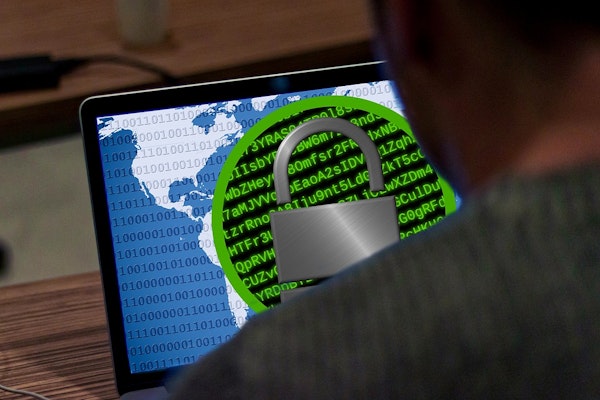
The key selling point for cyber insurance has evolved over recent years as cyberattacks have become more prominent. Several years ago, cyber insurance was important because of data breach concerns and protecting organizations’ liability if private data was exposed. Today, the focus is on the potentially huge losses stemming from cybercrime.
Catastrophe modeling firm Karen Clark & Company (KCC) estimates that insured losses from Tropical Storm Cristobal will reach nearly $150 million. KCC’s estimate, which was based on its high-resolution US Hurricane Reference Model, includes privately insured wind and storm surge damage to residential, commercial, and industrial properties and vehicles.
The lack of cyber case law worked against an insurer in the Ontario Superior Court of Justice recently, with the court deciding that The Co-operators has a duty to defend two parties named in a $75-million cyber breach class action lawsuit.
A wild week of weather in Colorado continued overnight on Monday along the Eastern Plains where strong winds caused extensive damage to the towns of Akron and Haxtun.
Browse any online news site or listen to a newscast and you’d be hard pressed not to find information about the effects the COVID-19 pandemic is having on how employees are doing their jobs.
A perfect storm of macro factors has supercharged several trends in the insurance industry, producing almost touchless processes for claims and enabling cycle times of seconds, minutes and hours instead of days and weeks.
It is no secret that technology is continuing to disrupt the auto casualty and workers’ compensation industries. Further digitizing the claims process can provide a variety of benefits for payors and claimants alike, including improving the consumer experience, boosting efficiencies, reducing fraud and allowing for adjusters and other claims handlers to focus on what matters most—helping restore claimants’ lives after a challenging event.
Smoke continued to hang in the air Monday morning as firefighters mopped up hot spots after a huge fire destroyed a four-story apartment complex under construction in downtown Phoenix.