Business email compromise accounted for more than $3 billion in reported losses in 2025, while Alaska recorded the highest rate of reported cybercrime incidents relative to its business population.
Organized thieves carried out 75,000 thefts from U.S. freight rail networks in 2025, pushing railroads to invest millions in AI cameras, drones, fencing and law enforcement partnerships.
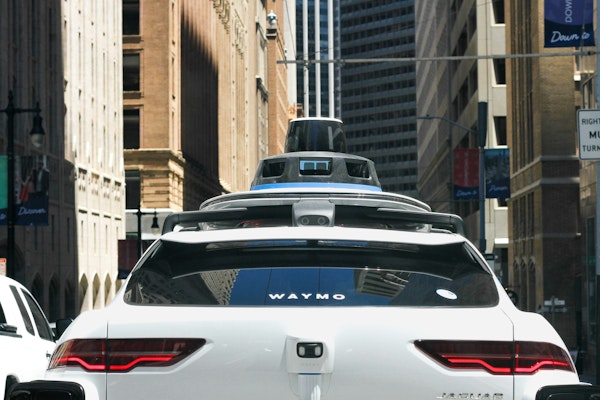
An IIHS study found that Waymo’s Level 4 vehicles had fewer police-reportable and injury crashes per mile than human drivers. Researchers warned that federal crash and mileage reporting must improve as autonomous vehicle fleets expand.
A new survey finds most homeowners believe they’re fully covered for disasters like floods and wildfires, but industry data shows many lack essential protections.
A South Florida jury found two men guilty of exploiting ACA subsidies by enrolling homeless individuals in plans they didn’t qualify for, generating millions in commissions.
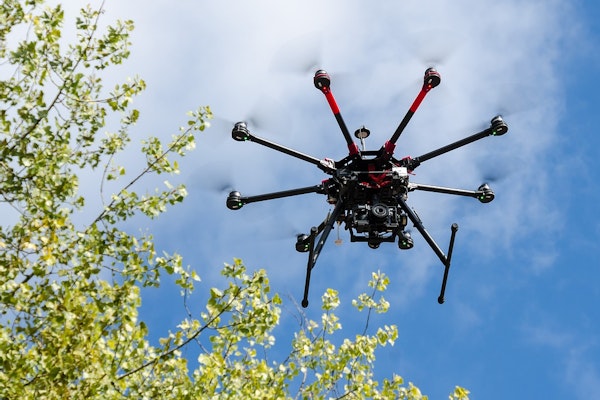
As FAA regulations evolve, drone delivery is scaling to more U.S. cities, though high costs, airspace safety, and privacy concerns continue to slow full adoption.
A new report from WCRI shows workplace injury claims rise dramatically on hot days, with heat-related illnesses up to 18 times more common above 100 degrees Fahrenheit.
New research shows AI tools can flag potentially fraudulent property and casualty claims just two weeks after filing, outperforming traditional investigation methods.
States across the U.S. are advancing bills to increase transparency in third-party litigation funding as concerns grow over rising insurance costs and legal system abuse.
Thieves have stolen nearly $2 million worth of Nike sneakers from BNSF trains in California and Arizona in a series of well-coordinated heists since last March. Despite multiple arrests, including a suspected ringleader, the thefts persist.
A proposed bill seeks to abolish OSHA, shifting workplace safety to individual states. The move could increase injuries, raise workers’ compensation costs, and create legal and financial challenges for employers and insurers.
Four pharmacists were sentenced for defrauding Medicare, Medicaid, and private insurers of over $13 million by billing for medications they never dispensed at multiple pharmacies.
A Phoenix couple pleaded guilty to orchestrating a $1.2 billion health care fraud scheme, submitting false claims for unnecessary wound grafts and receiving millions in illegal kickbacks.
An Austin-based small group health insurer settles allegations of fraudulent billing practices, emphasizing the need for transparency and ethical standards in health insurance claims.
Recent tragedies highlight the dangers of illegal fireworks in Hawaii, leading officials and residents to debate stronger enforcement measures and cultural traditions.