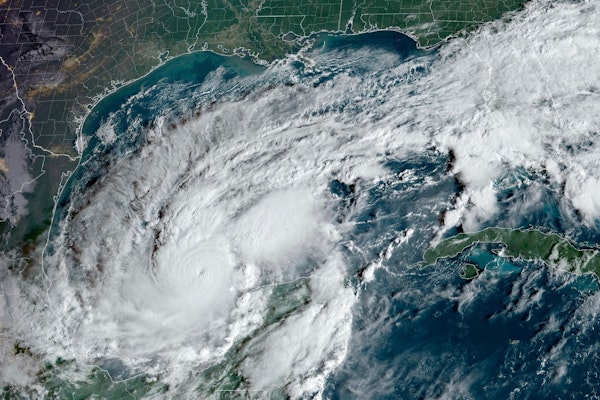
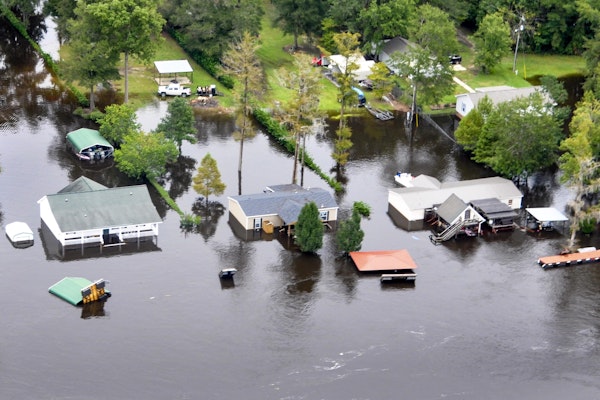
Hurricane Milton has resulted in over $2 billion in insured losses in Florida, with more than 230,000 claims filed. Most claims are for residential properties, and 12.8% have been closed so far.
As natural disasters become more frequent, lawsuits are shining a light on employer responsibility for worker safety. Recent cases in Tennessee and Kentucky highlight the legal risks companies face without proper emergency plans.
The latest LexisNexis "True Cost of Fraud" Study highlights increasing fraud costs in SNAP programs, emphasizing the impacts of EBT skimming, integrated eligibility systems, and operational delays on both staff and beneficiaries.
Chronic pain affects millions of workers, impacting both their wellbeing and workplace productivity. By understanding its challenges and implementing strategies, employers can promote better health and business success.
First-time homebuyers face numerous challenges, from navigating flood insurance to understanding builder’s risk coverage. Knowing the right insurance options is crucial for managing financial and property risks.
As cyberattacks grow in frequency and complexity, organizations must adopt a modern approach to cybersecurity. By focusing on education, risk assessment, and prevention, businesses can stay ahead of evolving threats.
The FAA’s new pilot certification and training rules for air taxis mark a major step toward the deployment of electric vertical takeoff and landing (eVTOL) aircraft, with companies eyeing 2025 for passenger services.
Ghost policies, a type of fraudulent workers’ comp coverage, are leaving businesses and employees exposed to high risks, especially in states where such policies remain legal.
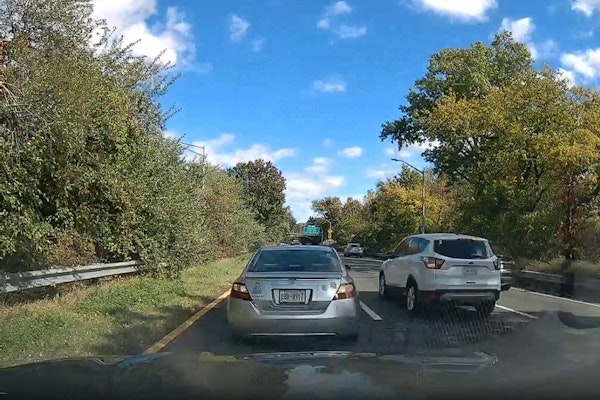
A brazen insurance fraud attempt on a busy Queens highway was foiled by a dash cam, capturing every moment the scammers realized their scheme was being recorded—proof that a dash cam could save you from a costly setup.
NCCI’s State of the Line report reveals a profitable year for workers compensation in 2023, with underwriting gains, premium growth, and declining claim frequency contributing to industry success.
Authorities in California have charged four individuals in a $100 million workers’ compensation fraud scheme involving illegal referrals, fraudulent billing, and medical providers, following a three-year investigation.
California introduces its first community-based flood program in Isleton, offering payouts to residents in flood zones when water levels hit specific thresholds, enhancing climate resilience.
The latest LexisNexis U.S. Home Trends Report shows increasing home insurance loss costs, driven by hail and catastrophic claims, while some weather-related perils saw declining severity in 2023.
A New York appellate court upheld workers’ compensation benefits for an intoxicated employee who fell from a ladder, ruling that intoxication was not the sole cause of the accident.
New York general hospitals must now comply with cybersecurity regulations aimed at protecting patient data, requiring risk assessments, staff training, and incident reporting within 72 hours of a breach.