California faces a severe shortage of wildfire firefighters, as low pay, mental strain, and challenging conditions drive workers away. Could the insurance industry help ease the burden on those protecting at-risk properties?
While insurance ranks high in AI innovation, new research reveals the industry’s untapped potential to maximize AI-driven revenue and operational efficiency. With improvements in core functions like claims and underwriting, insurers are well-positioned yet still falling short in areas that could elevate them as AI leaders.
The 2024 Global Insurance Report explores key shifts in the insurance sector, including market volatility, regulatory risks, low-carbon investments, and expanding private market exposure across various regions.
ZeroEyes, a tech company backed by The Institutes’ Predict & Prevent podcast, has developed AI-powered gun detection technology that combines human verification to curb gun violence. Through partnerships with schools and businesses, this system aims to protect communities, delivering alerts and minimizing bias by focusing solely on weapon detection.
Severe hailstorms in the U.S. have led to record insurance losses, with hail damage growing due to rising urbanization, climate change, and frequent severe convective storms. Enhanced monitoring projects promise insights to mitigate future risks.
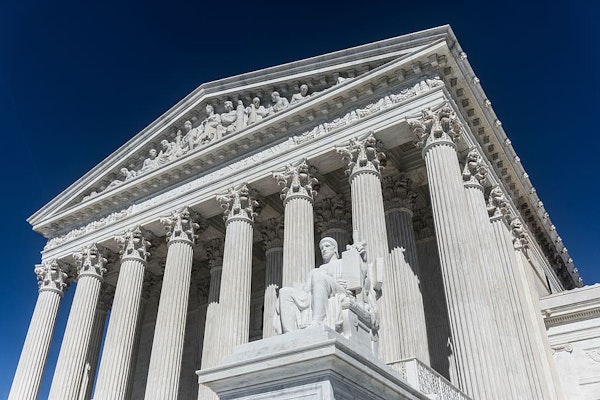
The U.S. Supreme Court recently declined to stay the EPA’s greenhouse gas emissions standards for coal-fired power plants, requiring plants expected to operate beyond 2039 to meet emission targets by 2032 or close by 2039. Legal challenges continue in lower courts.
A recent IRC survey reveals that attorney advertising may be influencing auto insurance costs, as 60% of respondents link it to higher claims and 52% believe it raises insurance premiums.
The 4-M parametric model, widely used for natural disaster insurance, is now being adapted to cover reputation risks, allowing businesses to mitigate financial impacts from reputational crises as effectively as from physical catastrophes.
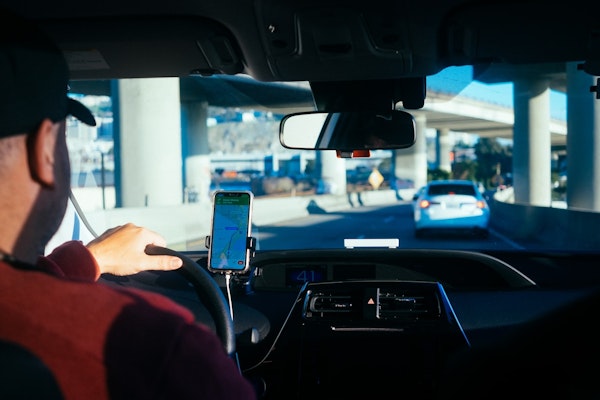
The on-demand economy is booming, yet drivers still face challenges accessing tailored auto insurance. Embedded insurance offers a seamless solution, streamlining coverage for the modern gig workforce.
The shift to virtual proceedings has reshaped construction litigation, offering cost savings and accessibility but also posing new challenges in case management, claims processing, and professional interactions.
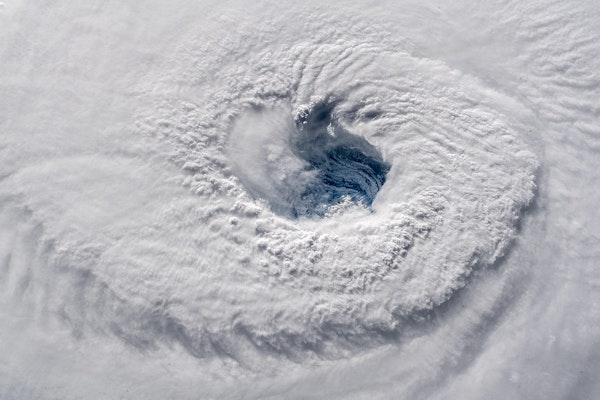
Following Hurricane Helene’s landfall in Florida, over 54,000 NFIP flood insurance claims have been filed, with FEMA reporting $480 million in early claims payments. This storm, among the most significant for NFIP, may see more claims as impacted areas become accessible.
A Texas A&M study shows a nearly 20% increase in extreme rainfall during storms like Hurricane Helene, linking climate change to intensified flooding risks across the southeastern United States.
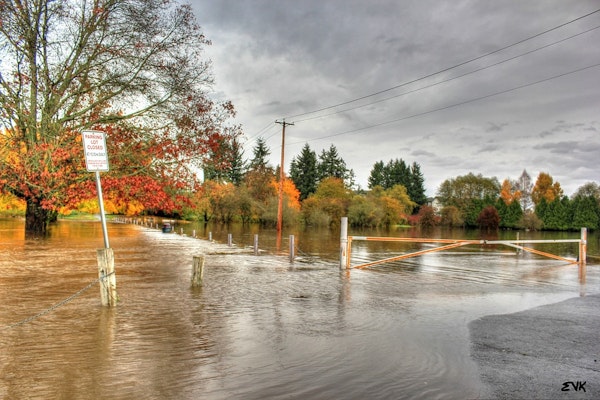
The devastation from Hurricane Helene reveals a significant inland flood-protection gap, particularly in flood-prone communities without sufficient insurance coverage, where misinformation and funding challenges further slow recovery efforts.
With premiums on the rise and limited access to long-term care insurance, the industry is exploring innovative solutions to expand coverage, reduce costs, and better prepare Americans for the high cost of senior care.
The Institutes have introduced the Associate in Cyber Risk Management (ACRM) designation to equip risk managers, underwriters, and brokers with advanced knowledge and skills in managing cyber risks, a top concern for modern businesses.