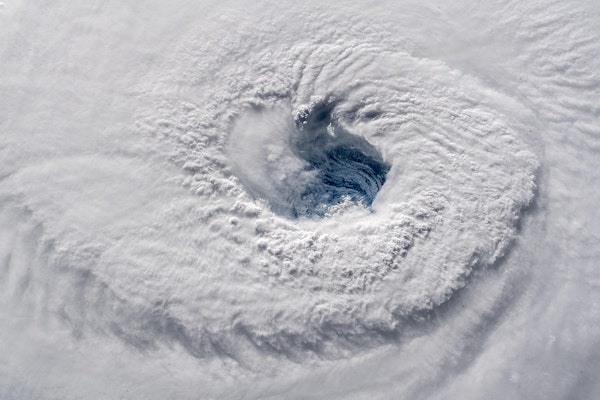
As Hurricane Milton hit Florida, resilience-focused communities like Babcock Ranch and Hunters Point emerged unscathed, showcasing how disaster preparedness measures protect homes and reduce long-term costs, even amid costly initial investments.
Following devastating floods in Valencia, Spain has announced an initial $11.5 billion aid package for affected communities, covering direct aid, credit guarantees, and municipal rebuilding. Officials anticipate further relief measures as cleanup continues.
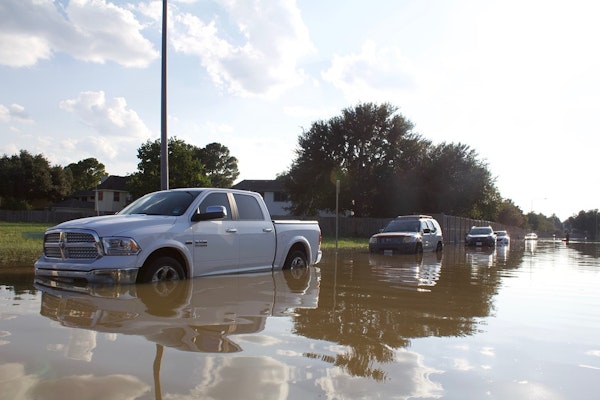
In 2024, hurricanes have left an estimated 347,000 vehicles with flood damage across the U.S., CARFAX reports. Experts caution that many may be resold, potentially concealing dangerous and costly water damage.
California faces a severe shortage of wildfire firefighters, as low pay, mental strain, and challenging conditions drive workers away. Could the insurance industry help ease the burden on those protecting at-risk properties?
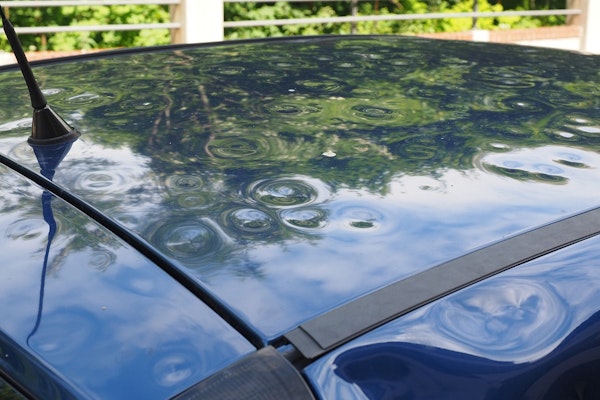
Severe hailstorms in the U.S. have led to record insurance losses, with hail damage growing due to rising urbanization, climate change, and frequent severe convective storms. Enhanced monitoring projects promise insights to mitigate future risks.
Following Hurricane Helene’s landfall in Florida, over 54,000 NFIP flood insurance claims have been filed, with FEMA reporting $480 million in early claims payments. This storm, among the most significant for NFIP, may see more claims as impacted areas become accessible.
A Texas A&M study shows a nearly 20% increase in extreme rainfall during storms like Hurricane Helene, linking climate change to intensified flooding risks across the southeastern United States.
The devastation from Hurricane Helene reveals a significant inland flood-protection gap, particularly in flood-prone communities without sufficient insurance coverage, where misinformation and funding challenges further slow recovery efforts.
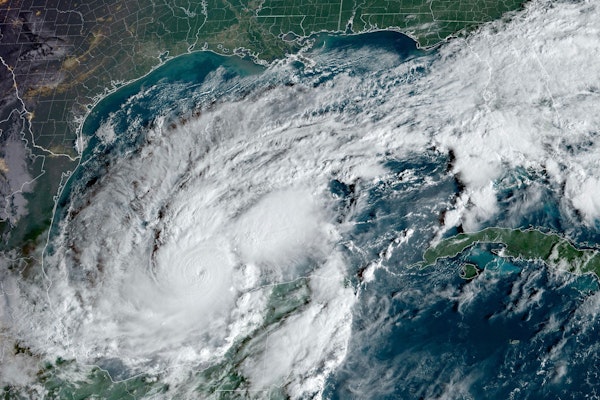
Hurricane Milton has resulted in over $2 billion in insured losses in Florida, with more than 230,000 claims filed. Most claims are for residential properties, and 12.8% have been closed so far.
As natural disasters become more frequent, lawsuits are shining a light on employer responsibility for worker safety. Recent cases in Tennessee and Kentucky highlight the legal risks companies face without proper emergency plans.
California introduces its first community-based flood program in Isleton, offering payouts to residents in flood zones when water levels hit specific thresholds, enhancing climate resilience.
The latest LexisNexis U.S. Home Trends Report shows increasing home insurance loss costs, driven by hail and catastrophic claims, while some weather-related perils saw declining severity in 2023.
Insured losses from global natural catastrophes exceeded the 10-year average, driven by frequent storms and floods, while total economic losses for 2024 remained slightly below average.
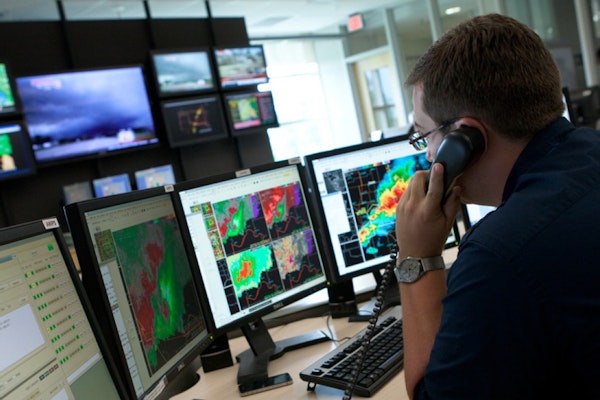
Despite the increasing accuracy of hurricane forecasts, meteorologists are facing growing threats, conspiracy theories, and public distrust fueled by misinformation on social media.
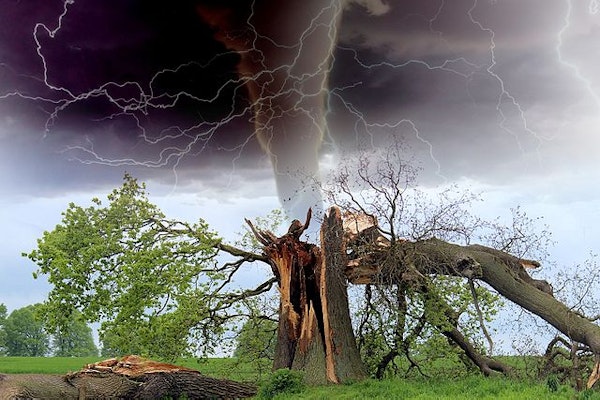
While Hurricane Milton’s landfall was far from southeastern Florida, dozens of tornadoes struck the region, causing significant damage to homes and killing several people across the state.