Insured losses from global natural catastrophes exceeded the 10-year average, driven by frequent storms and floods, while total economic losses for 2024 remained slightly below average.
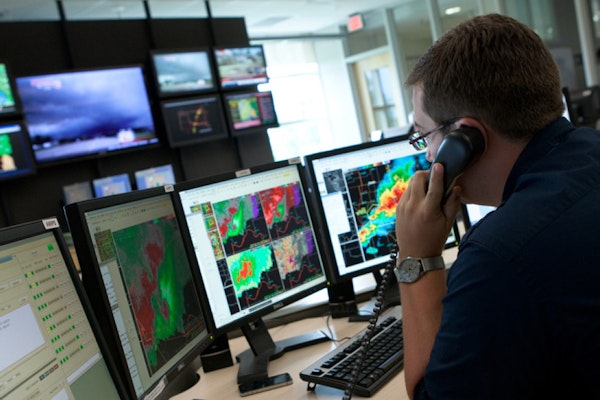
Despite the increasing accuracy of hurricane forecasts, meteorologists are facing growing threats, conspiracy theories, and public distrust fueled by misinformation on social media.
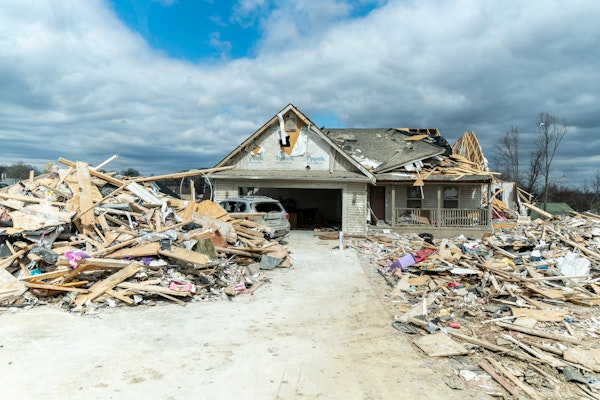
While Hurricane Milton’s landfall was far from southeastern Florida, dozens of tornadoes struck the region, causing significant damage to homes and killing several people across the state.
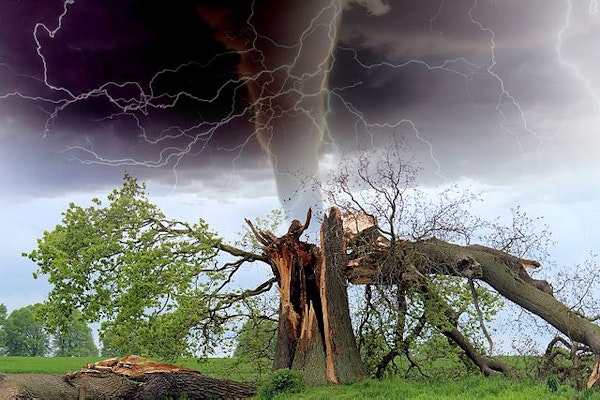
Hurricane Milton triggered a deadly tornado outbreak in Florida, raising concerns over the increasing frequency of strong tornadoes linked to hurricanes. Early studies suggest a warmer world could amplify this trend.
Despite concerns from rating agencies, industry experts assure that Florida’s home insurance market has enough reinsurance and financial resilience to withstand additional hurricanes this season.
Property insurance claims from Hurricane Milton have reached 123,000, triggering concerns over reinsurance price hikes and higher property insurance rates in Florida, where losses are estimated at $1.5 billion so far.
ICEYE’s initial data suggests that Hurricane Milton has caused damage to as many as, or more than, 150,000 buildings in Florida, a count that rivals Hurricane Helene’s impact. Early loss estimates range from $15 billion to $40 billion.
Hurricane Milton’s devastation in Florida is forecasted to trigger up to $60 billion in insured losses, with reinsurance rates expected to rise as the global insurance industry absorbs the impact.
Mediterranean countries, including Spain and Italy, are grappling with persistent droughts that are straining water resources, disrupting agriculture, and posing long-term economic risks due to climate change.
A recent study highlights how removing federal subsidies from climate-vulnerable areas can reduce development, increase flood resilience, and generate savings, while emphasizing the challenges of balancing housing demand with disaster risk.
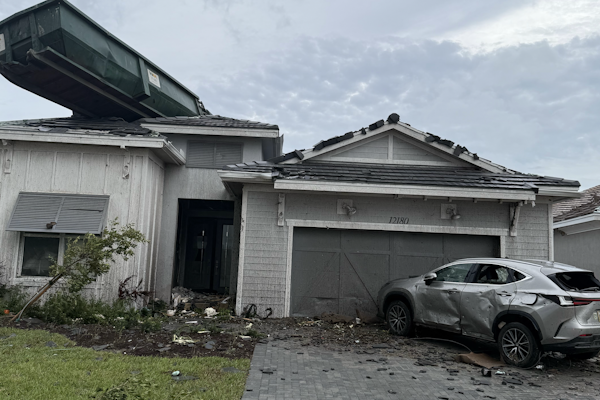
A powerful tornado, part of Hurricane Milton’s aftermath, caused significant damage in Palm Beach Gardens, Florida, including launching an industrial dumpster onto a home’s roof.
After Hurricane Milton weakened before landfall, investors in catastrophe bonds are facing losses well below earlier estimates, with single-digit hits predicted instead of the feared 15%.
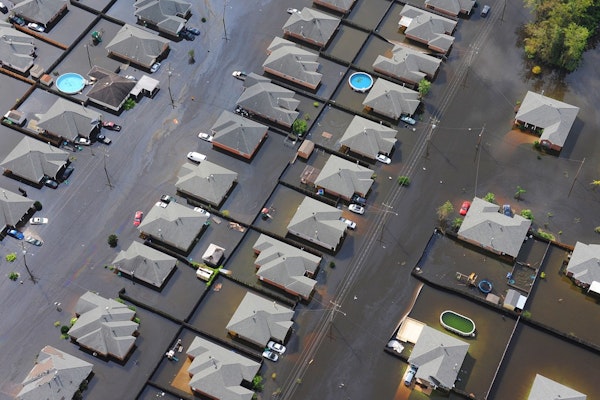
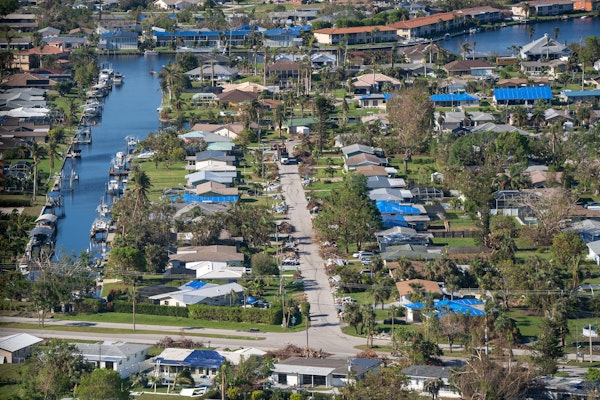
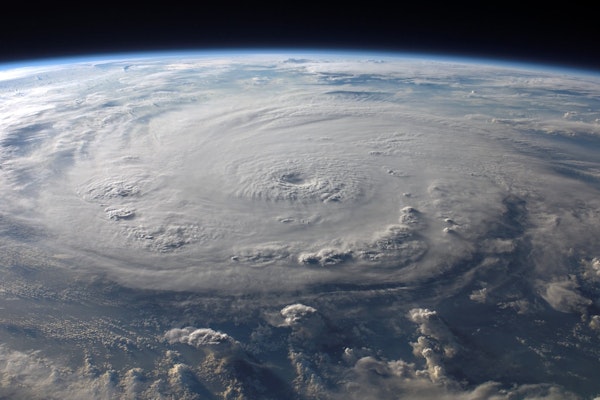
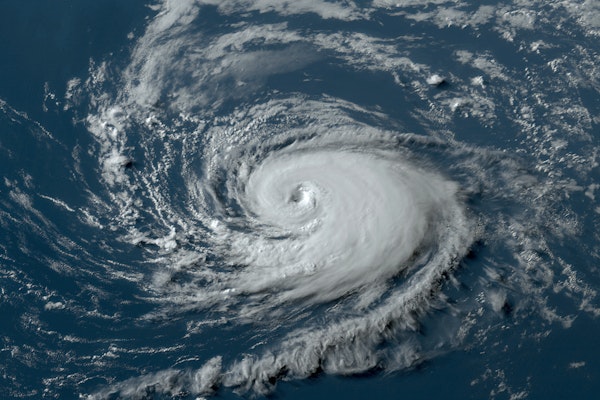
Hurricane Milton brought intense winds, widespread destruction, and left millions without power in Florida. While storm surge impacts were less severe than anticipated, damage to homes, power lines, and infrastructure is widespread.
Moody’s reports that Hurricane Milton, which struck Florida as a Category 3 storm, will likely impact both primary insurers and reinsurers, with ceded losses increasing as total damages rise.
Florida’s CFO Jimmy Patronis has introduced an emergency rule to improve the claims adjustment process, requiring adjusters to disclose changes to damage estimates and provide detailed explanations for any modifications, ensuring transparency for insurance policyholders.