Preliminary analysis of Hurricane Ian’s deadly storm surge suggests the Gulf of Mexico pushed as high as 15 feet above normally dry ground on Fort Myers Beach as it made landfall, the National Hurricane Center said Thursday.
The last week of September, 2022, the State of Florida braced for what was categorized to be one of the worst storms to make landfall in U.S. history. Initially, all weather channels displayed the storm’s trajectory heading towards Tampa Bay.
In August, flooding immersed Pakistan as three months of monsoons, following a drought, took their toll on farmland and humanity. The previous month, Vancouver, Canada launched a lawsuit against oil producers, placing the blame for climate change on them.
The difficult 2020 and 2021 hurricane seasons are fading from memory, but it will take a long time for Louisiana to recover. It’s not just the blue roof tarps that still dot the landscape from Lake Charles to Lafourche.
Many feared that one big storm could cost every homeowner in Florida if the state-backed insurer of last resort, Citizens Property Insurance Corp., couldn’t afford to pay out claims from its more than a million policies.
By all accounts, we were extremely lucky. Just 24 hours before landfall, Hurricane Ian was expected to come ashore just south of Tampa Bay, putting my home in Bradenton in the projected direct path of a very significant storm.
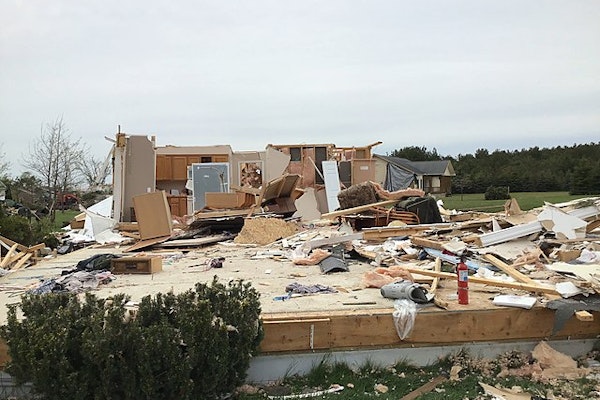
The terrible devastation wrought by Hurricane Ian on Florida’s southwest coast -- among the most powerful hurricanes to hit Florida in a century -- has been wrenching to watch even from afar: so many lives lost, homes shattered and livelihoods swept away by the storm surge, winds of up to 150 miles per hour and flooding rains.
Initial data from the Florida Office of Insurance Regulation (FLOIR) reveals that more than 375,000 claims have been filed after hurricane Ian, mostly related to residential property, as the entity reports total estimated insured losses of close to $3.28 billion.
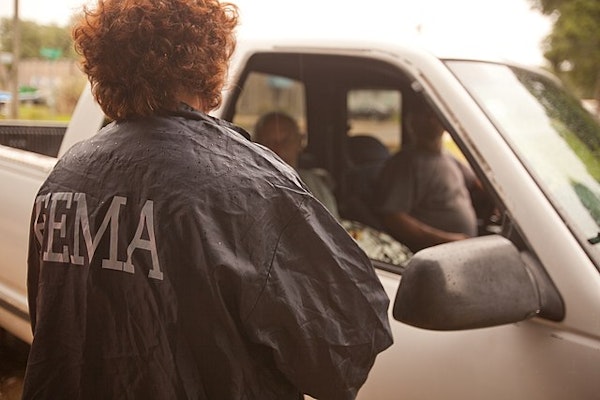
The US Federal Emergency Management Agency (FEMA) has reported that its National Flood Insurance Program (NFIP) has already received more than 25,000 claims from hurricane Ian.
Climate change is affecting almost everyone in every region throughout the world. Whether it’s hurricanes off the Atlantic coast, flooding in Louisiana, hailstorms and tornadoes in the Midwest or wildfires in the West, climate change is forcing insurers to re-examine how they prepare for and support catastrophe claims.
Insurers are bracing for a hit of up to $57 billion as they try to assess the damage from Hurricane Ian in Florida and South Carolina, risk modeling firm Verisk said on Monday.
Insurance Commissioner David Altmaier on Wednesday issued an emergency order that will temporarily prevent property insurers from dropping customers in the aftermath of Hurricane Ian. The order will suspend cancellations or non-renewals of policies for two months.
Though the amount of insured damage caused to Atlantic Canada by Hurricane Fiona is expected to reach about $700 million, insurance companies likely won’t have to foot the bill for most the damage the storm left behind.
Hurricane Ian flooded major cities and devastated homes after it made landfall in Florida -- but the damage isn’t done. After temporarily becoming a tropical storm, Hurricane Ian accelerated to Category 1 strength on Thursday night as it barreled toward South Carolina, with landfall expected on Friday.
As projected, tropical storm Ian continued to intensify and has now been upgraded to a hurricane by the National Hurricane Center (NHC), with the model consensus showing a rapidly intensifying hurricane Ian reaching Category 3 or 4 strength as it heads towards the Florida Peninsula.