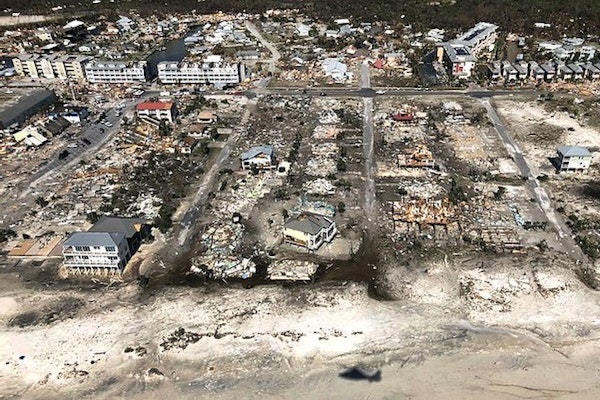
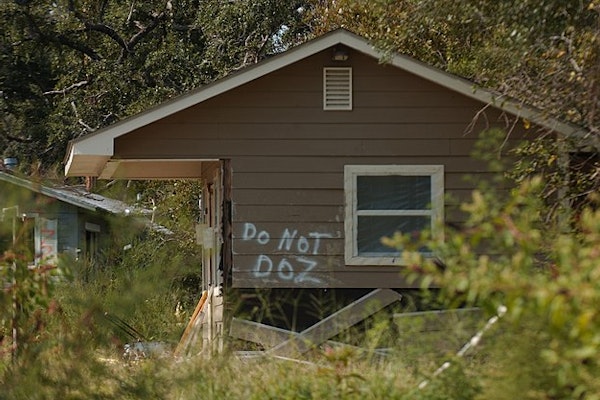
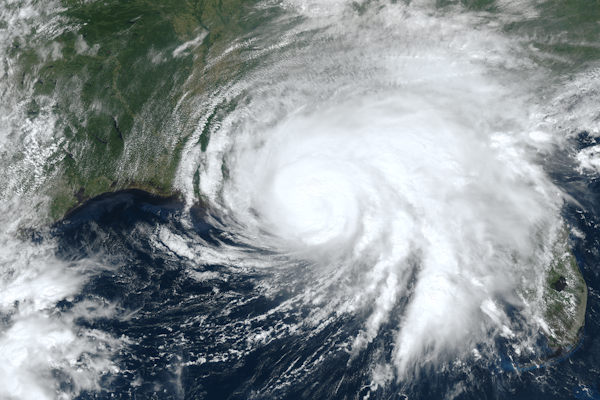
Long known as the nation’s most hurricane-prone state, Florida has achieved a new status that is aggravating hurricane anxieties and threatening real-estate values. Florida has the worst property-insurance market.
Lloyd’s of London (SOLYD.UL) has set aside 1.1 billion pounds ($1.26 billion) to pay claims related to the war in Ukraine, the commercial insurance market said on Thursday, as it recorded a first-half pre-tax loss of 1.8 billion pounds. The reserves for the Ukraine claims were net of reinsurance, Lloyd’s said in a statement.
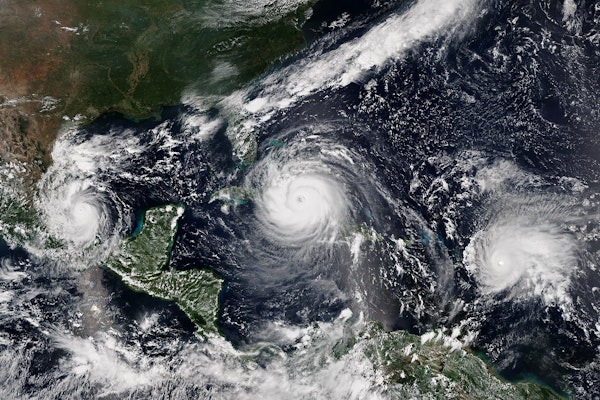
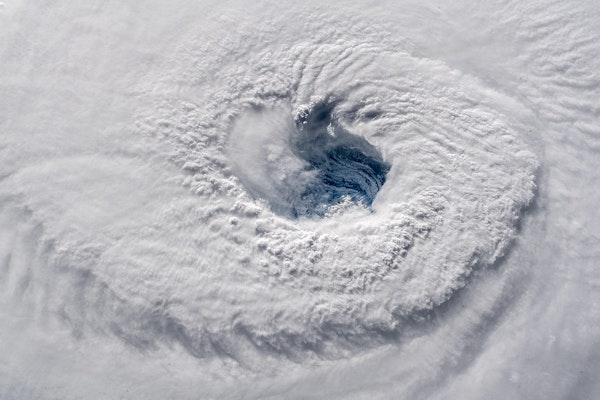
Hurricane Earl continues to strengthen Wednesday and could become a major hurricane by week’s end, according to the National Hurricane Center, as it nears Bermuda before pushing out to sea.
Flood maps used by the Federal Emergency Management Agency are out of date and understate the risks to homes and businesses from flooding and extreme rain triggered by climate change, FEMA Director Deanne Criswell said. Those risks are in focus after flooding in Jackson, Mississippi, overwhelmed the city’s main water treatment plant a week ago, leaving more than 150,000 state-capital region residents without safe water.
State Farm Fire and Casualty Co. has agreed to pay the federal government $100 million for potential liability over its handling of flood insurance claims after Hurricane Katrina, settling a lawsuit that two whistleblowers filed against the company more than 16 years ago.
When Hurricane Andrew struck South Florida on Aug. 24, 1992, it became -- at the time -- the costliest and most damaging hurricane to ever hit the U.S. It destroyed 63,000 homes, stripping many down to their concrete foundations, and damaged 124,000 others.
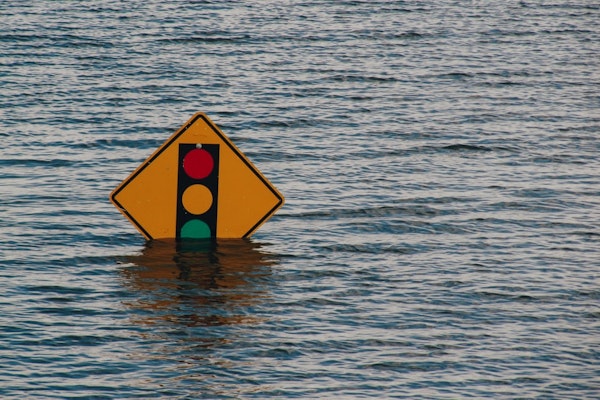
Parts of northern Texas, mired in a drought labeled as extreme and exceptional, are flooding under torrential rain. In a drought. Sound familiar? It should.
Insurance claims for businesses in North America have become more severe over the past five years due to factors like higher property and asset values, more complex supply chains, and the growing concentration of exposures in natural catastrophe-prone locations.
Insurers have paid or reserved to pay $13.1 billion on all types of Hurricane Ida-related claims in Louisiana through June 30, Insurance Commissioner Jim Donelon announced today.
Once again, the U.S. led the way in the first half of 2022 with the highest level of weather-related losses, which, globally, reached $65 billion in the period, of which slightly more than 50% were covered by re/insurance, according to Munich Re.
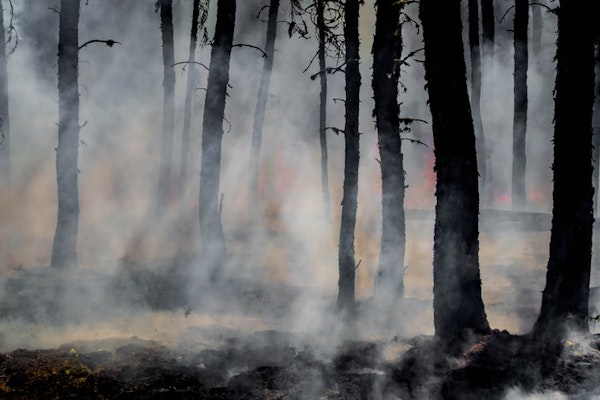
‘Climate change has its fingerprints all over’ the increasingly costly wildfire activity we’ve seen in recent years, says Triple-I non-resident scholar Dr. Craig Clements, even though most fires are ignited by people.
While the "heat apocalypse" that is baking much of Europe may seem like just more of the same extreme weather we’ve been experiencing globally for years now, it seems to me that we’ve now reached a new level of disruption, with significant implications for insurers.
A fire at a busy warehouse leaves a company struggling to replace its buffer stock; a ransomware attack paralyzes a company’s IT systems; the use of industrial adhesives in manufacturing results in a costly product recall: every day companies around the globe, together with their insurers, experience losses, in multiple forms, in the millions of dollars. Over the past five years, fire and explosion, natural catastrophes and faulty workmanship or maintenance have been the major causes of loss by value of insurance claims, according to the Global Claims Review 2022 from Allianz Global Corporate & Specialty (AGCS).
A severe thunderstorm knocked out power to more than 100,000 homes in Baltimore, Carroll and Harford counties Tuesday, according to Baltimore Gas and Electric.