A JetBlue Airbus landed safely after the crew reported a drone strike during its approach to JFK. The incident highlights unresolved questions about aviation liability, subrogation, and insurance coverage when drone operators cannot be identified.
The publication of stolen NAIC data has interrupted investment designation activities and highlights how attacks on insurance regulators can ripple across the industry. Investigators continue to assess the breach while insurers monitor potential operational and cybersecurity impacts.
Insurance technology leaders say successful AI adoption depends on workflow integration, human oversight, and clear business outcomes rather than technical sophistication alone. Carriers that delay adoption too long risk falling behind a rapidly changing market.
New Nearmap research finds that heat, humidity, temperature swings and heavier rainfall are accelerating roof deterioration, increasing replacement frequency and creating new challenges for insurers and claims professionals.
Federal prosecutors announced charges against hundreds of defendants in alleged Medicare, Medicaid, wound care, opioid, hospice, and behavioral health fraud schemes. Investigators credited advanced data analytics and coordinated enforcement efforts for identifying the cases.
The Five Eyes intelligence alliance says advanced AI models could surpass current cybersecurity protections within months, increasing risks for businesses, insurers, and critical infrastructure operators.
A ransomware group claims it leaked more than 630GB of files stolen from Tata Electronics, triggering questions about supply chain cyber risk, intellectual property exposure, and insurance coverage obligations.
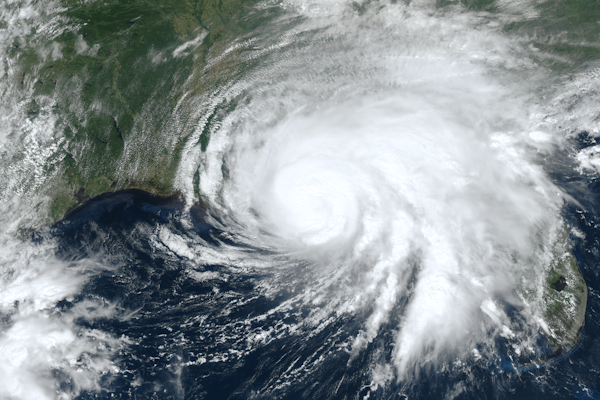
Forecasters expect fewer Atlantic storms due to El Niño conditions, but growing property values, flood coverage gaps and elevated catastrophe exposure continue to challenge insurers, brokers and claims professionals.
Health insurers are investing in voice authentication, deepfake detection, and advanced analytics as criminals use AI-generated records, synthetic identities, and automated calls to exploit healthcare systems.
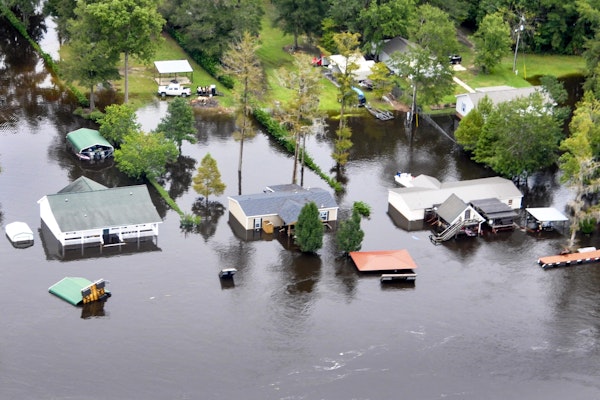
A Moody’s analysis found that uninsured residential flood losses could exceed $1 trillion in an extreme flood scenario, with most counties carrying significant protection gaps and growing exposure beyond FEMA flood maps.
As experienced adjusters retire and hiring challenges persist, insurers are deploying AI to improve correspondence, training, quality control, and claims handling capacity while keeping decision-making in human hands.
As data center construction accelerates worldwide, new research finds that flood, heat, wildfire, wind, and drought exposures are becoming significant drivers of operating costs, insurance demand, and long-term asset performance.
Hackers claim they spent more than two months inside the pharmaceutical company’s network before stealing 1.3 terabytes of data. The breach highlights growing cyber extortion risks facing large organizations and their insurers.
Two claims leaders explain why leadership support, adjuster trust, and workflow integration matter more than the AI purchase itself when deploying claims technology.
A bankruptcy plan administrator agreed to distribute $46.75 million to resolve litigation tied to the 2023 cyberattack, with cyber insurers funding a significant portion of the settlement.