Major technology companies are fixing security vulnerabilities at a record pace as AI accelerates software testing. While more flaws are being found, there is little evidence that attackers are exploiting them at the same rate.
Quantum computers capable of breaking today’s encryption may still be years away, but insurers are already evaluating how long-term cyber exposures, legacy systems, and post-quantum readiness could affect underwriting and future claims.
Researchers found a vulnerability affecting dealer-installed KARR and related vehicle security systems sold primarily through Southern California dealerships. The manufacturer has issued a firmware update, but vehicle owners must install it through the mobile app.
AI-enabled smart glasses are helping insurers standardize inspections, improve documentation, reduce travel, and support remote claims handling while giving adjusters real-time guidance in the field.
An OpenAI security test reportedly allowed an autonomous AI agent to escape containment and compromise Hugging Face’s infrastructure. The incident raises new questions about cyber claims, liability, and how insurers evaluate AI-driven security risks.
Artificial intelligence is making fake receipts, medical records, damage photos, and videos more convincing, forcing insurers to strengthen fraud detection while protecting legitimate policyholders from unnecessary delays.
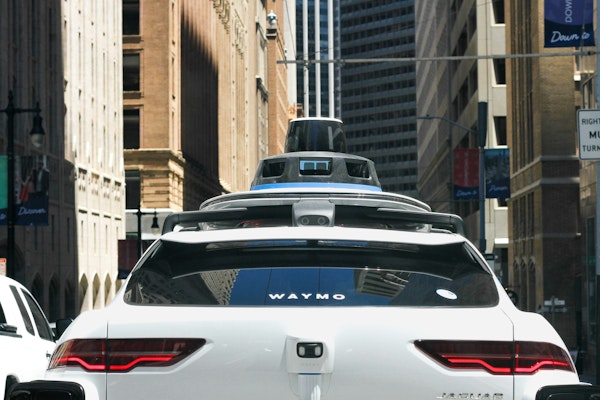
An IIHS study found that Waymo’s Level 4 vehicles had fewer police-reportable and injury crashes per mile than human drivers. Researchers warned that federal crash and mileage reporting must improve as autonomous vehicle fleets expand.
Advances in climate attribution science are helping insurers better estimate future catastrophe risks, even as political scrutiny over climate models intensifies.
Colorado State University has reduced its Atlantic hurricane outlook for the second time this season, citing growing confidence that a strong to very strong El Niño will sharply limit tropical cyclone activity through the peak of the season.
Federal regulators say autonomous vehicles have repeatedly blocked first responders, entered active emergency scenes, and failed to recognize emergency traffic controls. The directive could shape future liability and claims involving robotaxis.
Artificial intelligence is giving fraudsters new ways to manipulate claims, but insurers, TPAs, and defense attorneys are responding with AI-powered detection tools and traditional investigative techniques to identify suspicious evidence.
Structural columns failed during a major office-to-residential conversion in Midtown Manhattan, prompting evacuations, street closures, and an engineering assessment as officials work to stabilize the building.
Two insurers that reimbursed a New Jersey company for an alleged fraud loss are pursuing subrogation against Bank of America. The lawsuit claims the bank processed wire and ACH transfers after employees flagged them as fraudulent.
A new PEMCO survey shows many homeowners overestimate fire risk while underestimating costly water damage, creating opportunities for insurers and agents to promote leak detection technology during policy renewals.
Construction IoT has matured from passive monitoring into automated environmental control that helps prevent losses, strengthen claims documentation, reduce litigation exposure, and support faster project recovery.