COVID-19 restrictions led adjusters to shift claims work to desktop teams. The change was driven by client reluctance to meet in-person and employees’ desire to reduce site work until the risks were better understood.
We know that Americans love lawsuits. And it turns out that the national passion for litigation extends to climate-related cases. U.S. litigants are responsible for nearly 70 percent of the climate-related suits filed globally since 1986...
Most property insurance policies contain ‘Concealment or Fraud’ provisions. As the name suggests, these provisions penalize claimants for material misrepresentations or concealment by releasing insurers from payment obligations, regardless of whether relevant claims would otherwise be covered.
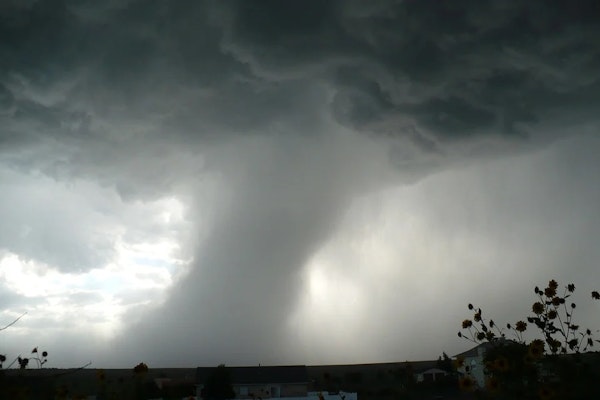
S​irens blared in downtown Chicago as tornadoes roared through the area Wednesday evening, damaging homes and cars and sending passengers at O’Hare International Airport into tunnels for shelter.
It was the dead cows on Wilbur Tennant’s farm that shaped most of Rob Bilott’s professional life. Tennant’s farm was located in Parkersburg, W. Va.; Bilott was -- and remains -- an environmental lawyer at the firm of Taft Stettinius & Hollister in Cincinnati. All had been well for Tennant until 1998, when half of his herd of 300 cows began to languish and die.
And while achieving an absolute zero claims status is impossible, moving to a reality where insurers, risk managers and policyholders work together to reduce the probability of loss is the goal of many predict-and-prevent risk management programs.
Increased attorney involvement in commercial claims is a direct cause of substantial loss ratios, with costs continuing to rise. These growing costs result from high legal involvement rates, social inflation, third-party litigation funding and bad-faith lawsuits filed by attorneys.
After an extensive four-year investigation, the owner of a Pennsylvania auto body repair business has been sentenced for filing nearly 300 false insurance claims which resulted in over $400,000 in fraudulent payouts.
Dozens of insurance companies are suing Minneapolis-based Xcel Energy to recoup money paid out to homes and businesses lost in Colorado’s most destructive wildfire in 2021.
Alphabet’s Google (GOOGL.O) was accused in a proposed class action lawsuit on Tuesday of misusing vast amounts of personal information and copyrighted material to train its artificial intelligence systems.
Whether artificial intelligence will help the insurance industry work smarter, or whether it will mean massive job losses, or maybe represent something in between is yet to be seen.
The discovery of the imploded submersible ‘Titan’ has prompted questions regarding OceanGate Expeditions’ liability. While jurisdictional issues and waivers signed by passengers may hinder a lawsuit, misrepresentation of safety could offer a potential legal route. Yet, the company’s possible financial demise following the disaster could render lawsuits moot.
Economic turbulence, political unrest, climate catastrophes, and the aftermath of a global pandemic are just a few of the forces demanding that everyone -- homeowners, consumers, businesses, and policymakers, as well as risk-management professionals -- take responsibility for understanding and reducing the perils facing all of us, Triple-I CEO Sean Kevelighan said in a recent episode of the Predict & Prevent podcast.
Talk to anyone in claims management, and they’ll tell you the same thing: This particular branch of the industry is here to help produce the best outcomes for policyholders.
Missouri Governor Mike Parson took a significant step in enhancing road safety last week by signing a bill that officially makes Missouri the 49th state to prohibit texting while driving.