The so-called 8-Corners Rule is an important aspect of insurance defense in Texas. If you’re running an insurance company and you’re faced with the possibility of defending a policyholder from a legal action, you probably know about this rule.
A teacher who injured her back at work and who had surgery out of state and out of her employer’s network is due compensation for her surgery because the school district had originally denied her claim, the Supreme Court of South Dakota unanimously ruled Wednesday.
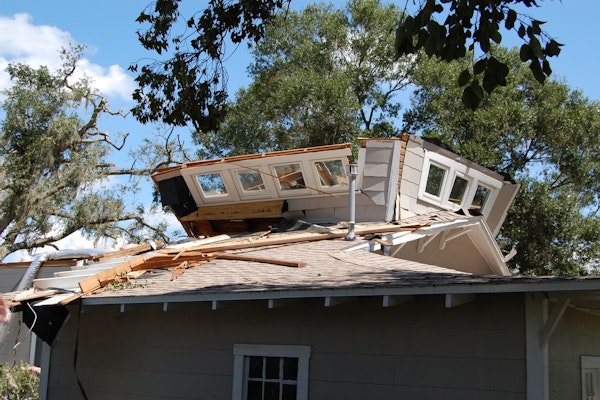
The Edinburg school district sued a bundle of its insurance carriers last month, claiming that they failed to payout over $39 million for damage sustained during Hurricane Hanna. The district is suing for the money it says it is owed and alleges -- among other things -- breach of contract and violations of the Texas Deceptive Trade Practices Act.
Automakers reported nearly 400 crashes over a 10-month period involving vehicles with partially automated driver-assist systems, including 273 with Teslas, according to statistics released Wednesday by U.S. safety regulators.
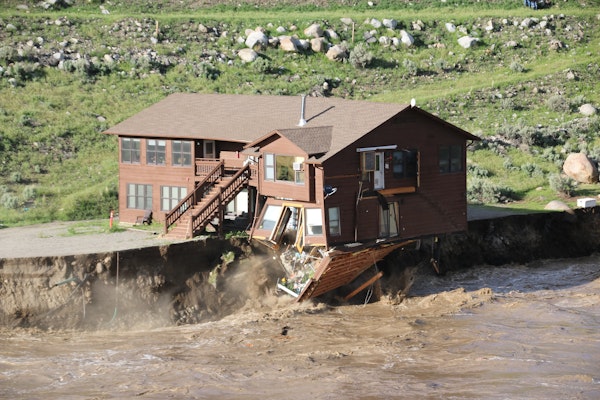
The forces of fire and ice shaped Yellowstone National Park over thousands of years. It took decades longer for humans to tame it enough for tourists to visit, often from the comfort of their cars.
World’s richest man Elon Musk, CEO of Tesla, has slammed a recent insurance claim by a Missouri woman who contracted a sexually transmitted disease in a car against GEICO as ‘crazy’ and called for legal action against law firms that pursue ‘insane’ cases.
Ocean transportation procurement teams and vessel owners alike would do well to pay close attention to the effects of recent notable maritime perils that have triggered claims for general average.
While fraud has existed for as long as there have been companies, when changes occur in how an organization operates, new doors open for people inside and outside an organization to steal. Recent macroeconomic events involving supply chain slowdowns, flexible work arrangements and rising inflation have paved the way for a possible uptick in such crimes.
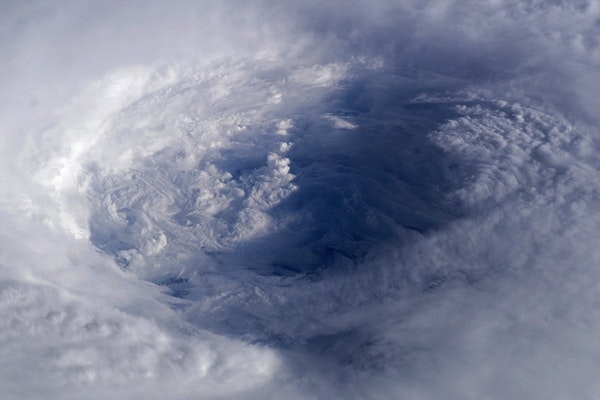
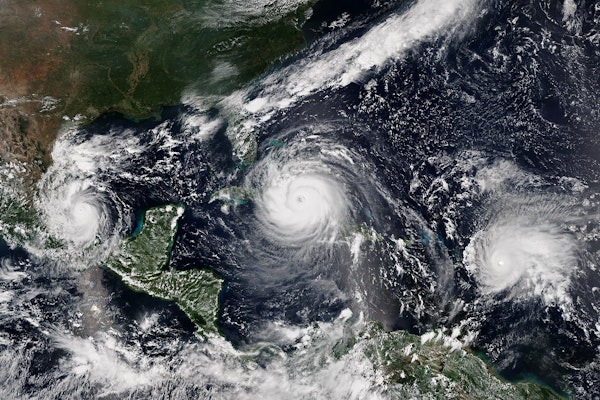
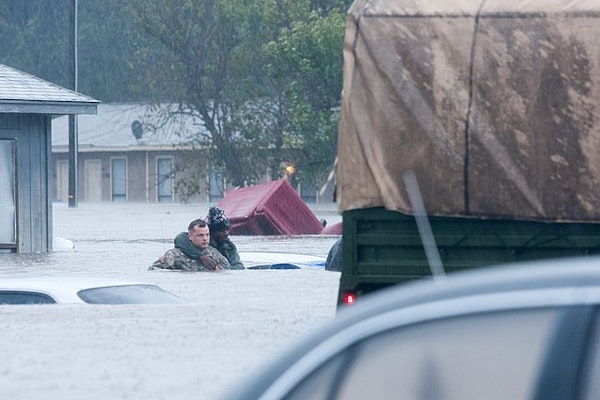
Property and casualty insurers are bracing for another year of record losses from catastrophic hurricanes, tornadoes, wildfires, flooding, and other natural disasters already unfolding.
White House officials met last week at Florida International University (FIU) to announce an initiative to help state and local governments adopt modern building codes and standards and help communities become more resilient to hurricanes, flooding, wildfires, and other extreme weather events.
In recent years, the combination of heightened customer demands for a more seamless user experience, combined with the rise of purpose-built insurtechs, has forced insurers to accelerate their innovation cycles. Data-driven processes such as marketing, underwriting and portfolio monitoring, to name a few, require a deeper understanding of the customer, based on requests for as few data points as possible.
In 1994, the magnitude 6.7 Northridge earthquake hit California, damaging 40,000 buildings and causing insured losses of $12.5 billion. If an earthquake like Northridge were to occur today, it could cost nearly $19 billion in insured losses. By 2044, there is a 93% possibility that an earthquake of that magnitude or greater will strike California.
The Biden administration is proposing a massive overhaul of federal flood insurance that would prevent the government from insuring newly built homes in flood-prone areas and would drop coverage for homeowners who receive repeated claims payments.