The 2025 season has been quieter than recent years in terms of U.S. landfalls, but meteorologists say storm activity has still been near average. Coastal adjusters should stay alert through season’s end.
Despite global uncertainty and catastrophe losses, the property/casualty insurance sector is on pace for a second profitable year. Adjusters should note shifts in underwriting performance across key lines.
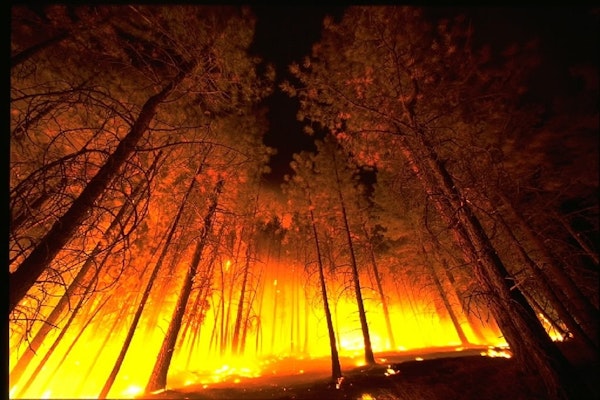
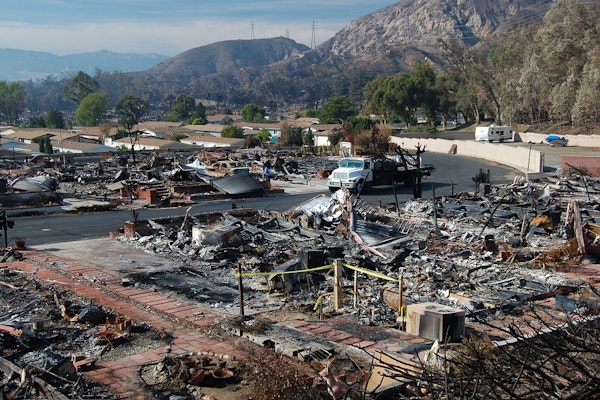
Cotality’s analysis of the Eaton and Palisades fires shows that many homes labeled "low wildfire risk" were actually highly vulnerable to structure-to-structure fire spread.
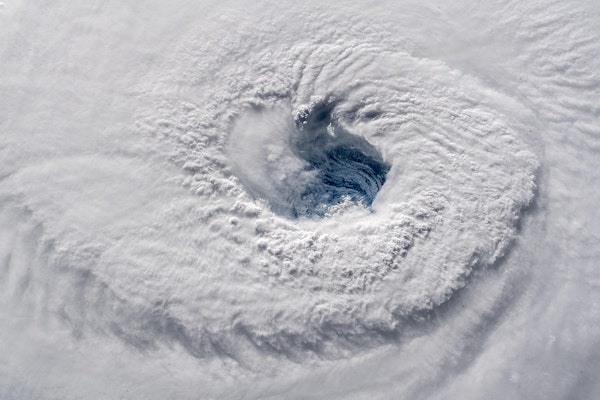
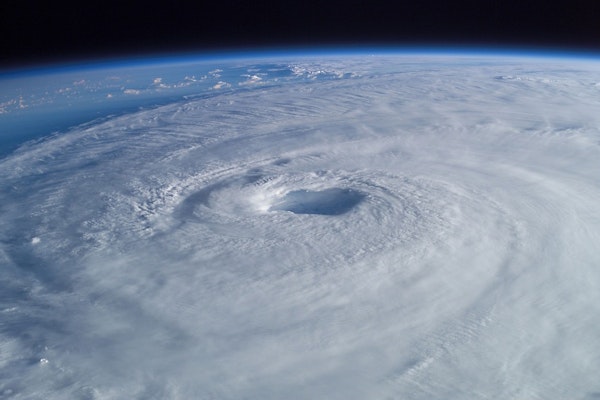
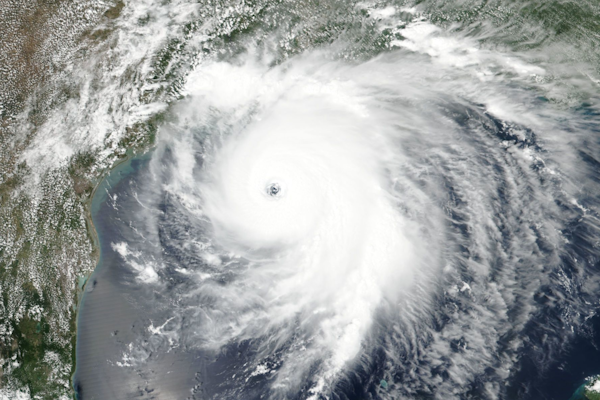
Tropical Storm Jerry, formerly identified as Invest 95L, has officially developed in the Atlantic and is intensifying rapidly. Currently packing winds of 60 mph and moving west-northwest at 23 mph, Jerry is on track to become a hurricane by Thursday.
Tropical Storm Jerry, the 10th named storm of the 2025 Atlantic hurricane season, has formed in the open Atlantic and is expected to reach Category 1 hurricane strength as it nears the northern Leeward Islands on Thursday.
Florida’s state-run Citizens Property Insurance Corporation has announced a temporary deferral of its flood insurance documentation requirement due to the federal government shutdown.
With global insured losses soaring past $84B in 2025 alone, insurers must shift from reactive payouts to proactive, tech-driven models that strengthen resilience and trust.
Q3 2025 saw $1.036B in cat bond issuance across 23 deals, pushing total year-to-date issuance to $18.6B and positioning the market for its first-ever $20B+ year.
Hurricanes Humberto, Erin, and Gabrielle have all reached major hurricane status, marking the first time since 1935 that the season’s first three storms hit Category 3 or higher.
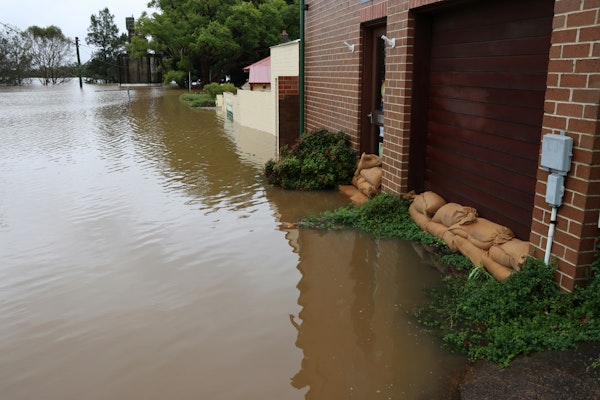
The National Flood Insurance Program is set to expire by month’s end unless Congress acts, potentially disrupting home closings and leaving policyholders at risk.
One of California’s worst wildfires of 2025 highlights growing challenges in the state’s insurance market, sparking debate over reforms and recovery efforts.
New research analyzing five major California wildfires finds that defensible space and home hardening measures can reduce structural losses by up to 48 percent.
Marsh’s 2025 Climate Adaptation Survey reveals that while most businesses are assessing future climate risks, many still lack funding, strategy, or data to drive resilient action.