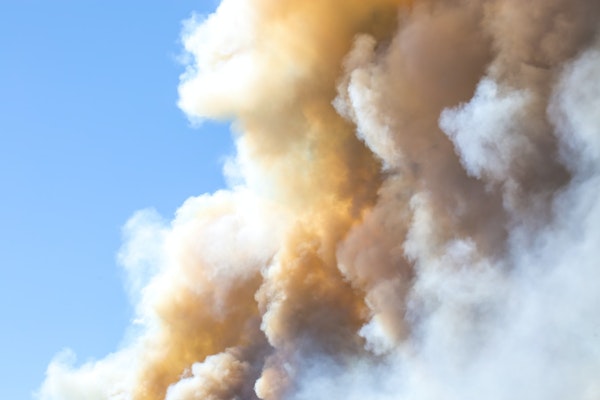
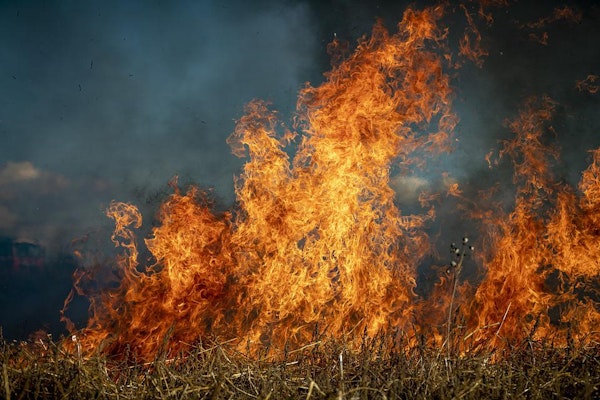
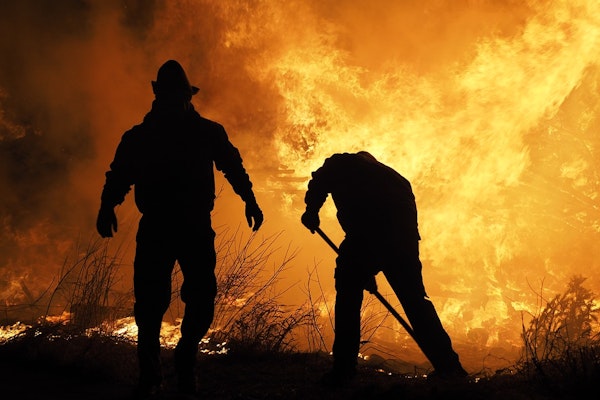
A pair of studies warn that wildfire smoke could cause over 71,000 U.S. deaths annually by 2050 and cost the economy $608 billion a year if emissions remain high.
Verisk’s Q2 2025 report shows a 9.6% year-over-year decline in property claims, driven by fewer non-CAT losses despite a quarterly rise in wind and hail-related events.
A man in his 30s died after becoming unresponsive on the Stardust Racers ride at Universal’s Epic Universe. The attraction remains closed amid an ongoing investigation.
Economic uncertainty, climate change, and cybersecurity threats are compounding risk exposure across industries, creating a fast-evolving and interdependent crisis for insurers.
A new Realtor.com survey shows rising homeowners insurance costs are influencing homebuyers’ decisions, with many adjusting search strategies or considering dropping coverage.
A new AP analysis shows presidential disaster declarations now take weeks longer than in past decades, leaving survivors and local governments waiting for critical aid.
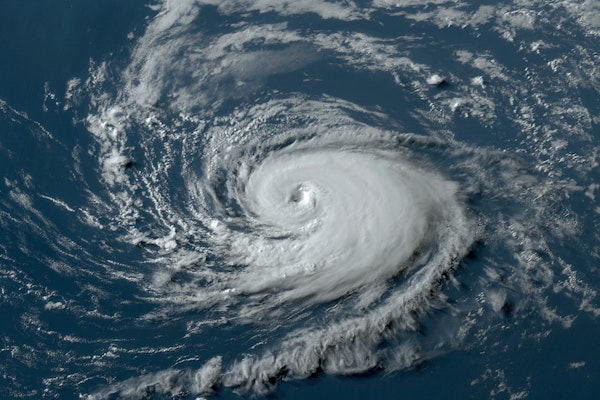
Despite reaching the statistical peak of hurricane season, the Atlantic basin is unusually quiet this September, with no active storms and limited tropical development expected.
A new Realtor.com report reveals that 1 in 4 U.S. homes face extreme climate risk, with surging insurance costs disproportionately impacting low-value, high-risk markets.
The U.S. P/C insurance industry posted a $11.5B underwriting gain in H1 2025, aided by fewer Q2 catastrophes, despite a sharp decline in investment-driven net income.
NOAA’s new Hourly Wildfire Potential Index offers hourly wildfire hazard forecasts, helping responders and forecasters better track fire activity and smoke emissions in real time.
Verisk’s 2025 report reveals global insured property losses from natural catastrophes have surged to $152B annually, driven by more frequent storms and wildfires.
Major U.S. metro areas are increasingly vulnerable to $100 billion hurricane losses. This KCC report shows where it’s most likely and how insurers can prepare for the next big one.
This summer’s wildfires in Greece, Turkey, and Cyprus were made 10 times more likely by climate change, exposing gaps in preparedness and highlighting rising regional risks.