Hurricane Helene’s estimated insured losses range between $5 billion and $9 billion, but S&P Global believes the event will affect earnings without jeopardizing the capital of US property and casualty insurers.
Tennessee ranks 16th in fraud, and state officials are urging residents impacted by Hurricane Helene to beware of contractor scams, advising them to verify contractor credentials and insurance.
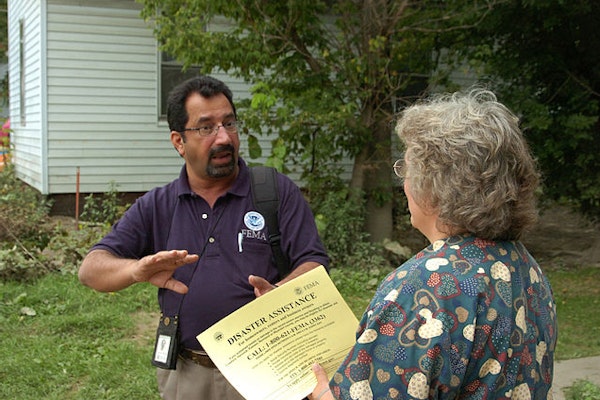
FEMA is running low on disaster relief funds as it responds to Hurricane Helene, which caused severe damage across several Southeastern states. Congress may need to pass additional funding to sustain relief efforts.
In 2024, Antarctic sea ice reached its second lowest maximum extent in recorded history at 17.16 million square kilometers, just above the 2023 record low, highlighting ongoing concerns about sea ice trends.
Colorado State University forecasters predict above-normal hurricane activity from October 1-14, 2024, with an extremely high likelihood of major storms in the Atlantic and Caribbean regions.
As Florida prepares for new storm-related claims, CBS News’ "60 Minutes" investigates allegations by adjusters that insurers manipulated damage estimates from Hurricane Ian to underpay policyholders.
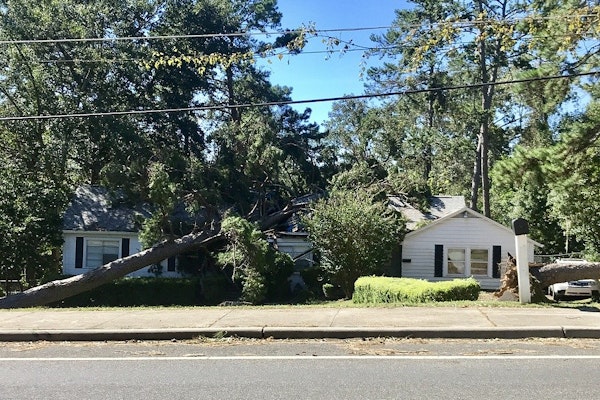
Insurance agents in Asheville, North Carolina, report unprecedented inland damage from Hurricane Helene, with widespread flooding, fallen trees, and road closures hampering recovery efforts.
Hurricane Helene’s unprecedented inland devastation highlights the growing danger of the "brown-ocean effect," a phenomenon that may allow future hurricanes to retain strength as they move further inland.
Florida homeowners, devastated by Hurricane Ian, discovered their insurance reports had been altered to significantly lower payouts. Whistleblowers claim widespread fraud, accusing multiple carriers of manipulating damage assessments.
Economic estimates for Hurricane Helene project up to $160 billion in damage, driven by widespread infrastructure failure, property loss, business disruption, and long-term recovery costs.
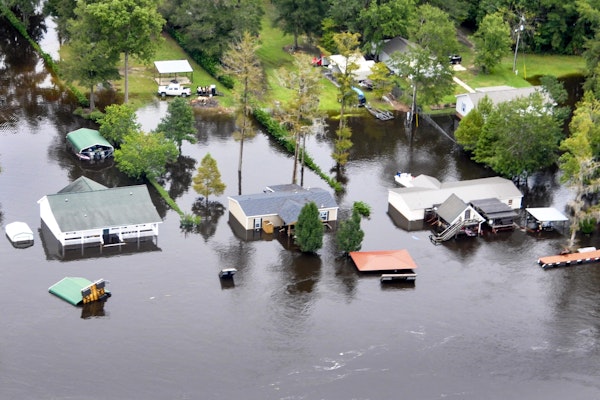
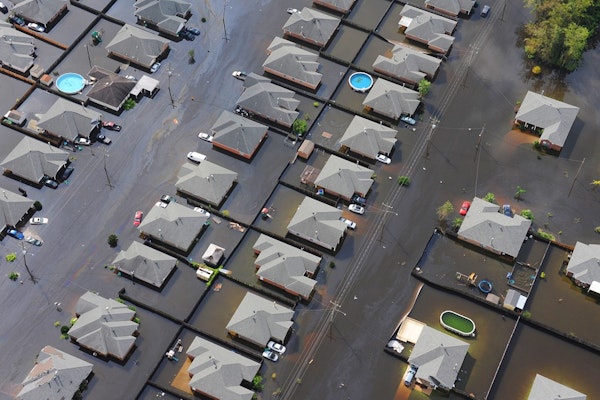
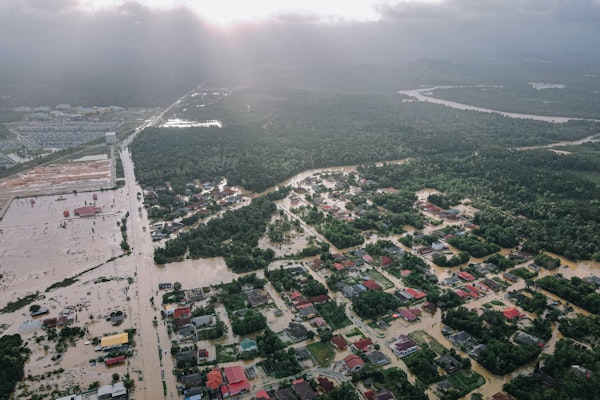
Hurricane Helene’s catastrophic flooding from Florida to North Carolina exposes the serious lack of flood insurance coverage among homeowners, especially in inland areas, highlighting the increasing risks from extreme weather events.
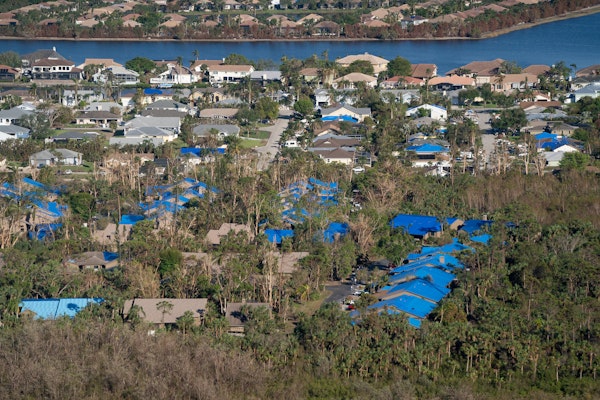
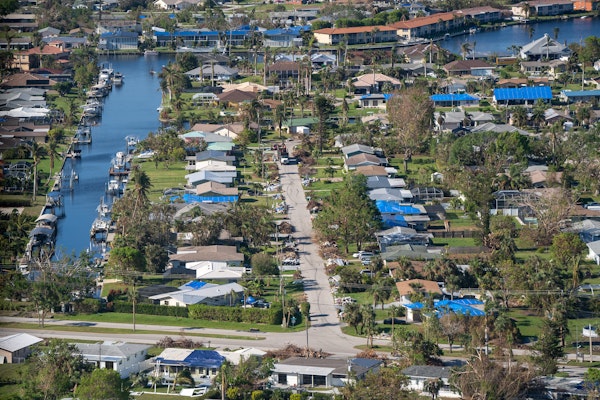
Hurricane Helene’s destructive force on Florida’s properties highlights the fragility of the state’s insurance market, with rising premiums, reinsurance challenges, and climate change amplifying risks.
Hurricane Helene made landfall as a Category 4 storm, leading to widespread property damage, power outages, and disruptions. Analysts predict total costs ranging from $20 billion to $34 billion, with insurance losses still being assessed.
Experts urge adopting fire-resistant building practices, fuel breaks, and structure spacing to minimize damage and loss in future wildfires, following the devastating Lahaina fire in Hawaii.
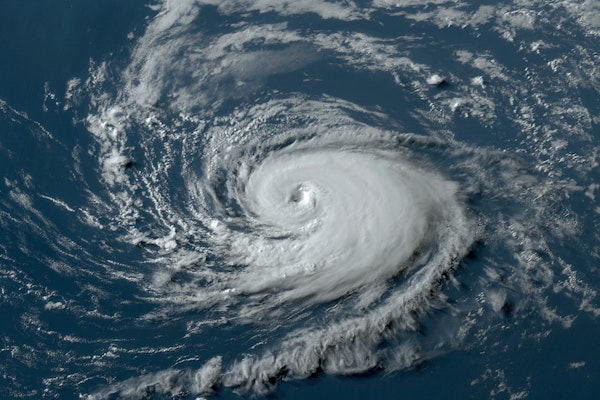
Hurricane Helene, a rapidly intensifying Category 2 storm, is expected to make landfall as a Category 4 hurricane in Florida, bringing 15-20 foot storm surges and affecting millions across the Gulf Coast.