Hurricane Francine made landfall in Louisiana as a Category 2 storm, with CoreLogic estimating insured losses at up to $1.5 billion, impacting residential and commercial properties across the Gulf Coast.
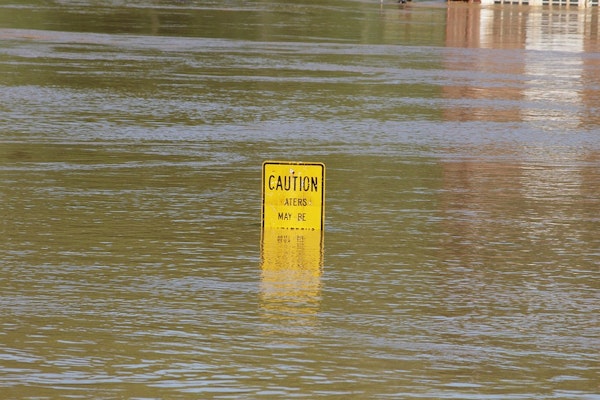
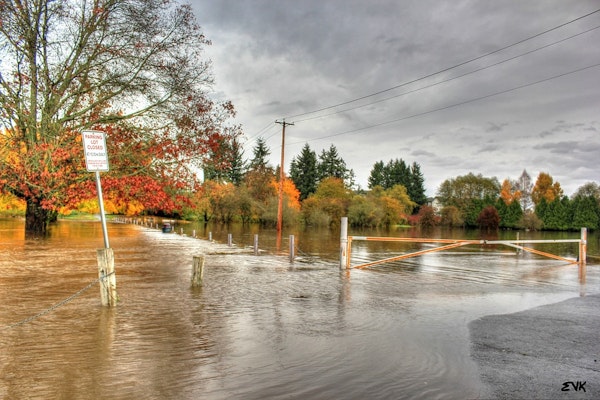
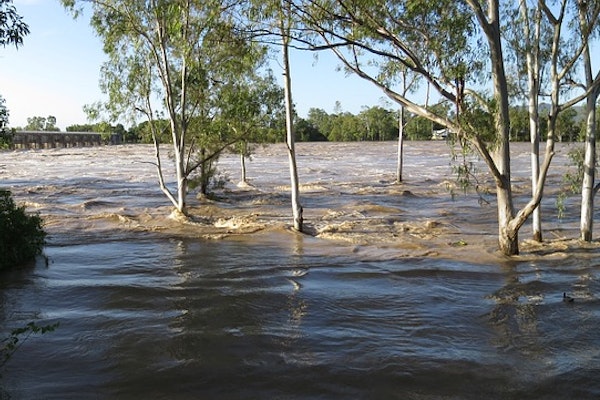
Residents across southern Louisiana are starting the cleanup process following Hurricane Francine, which brought 100-mph winds, severe flooding, and widespread storm surge damage to coastal communities.
As Hurricane Francine moves inland, millions from Florida to Tennessee remain under flood watch, with heavy rains and tornado warnings threatening areas across the South. Power outages and damage reports continue.
Hurricane Francine hit southern Louisiana, bringing 100-mph winds, widespread power outages, and severe storm surge damage. The storm left over 400,000 without power and caused significant flooding in multiple communities.
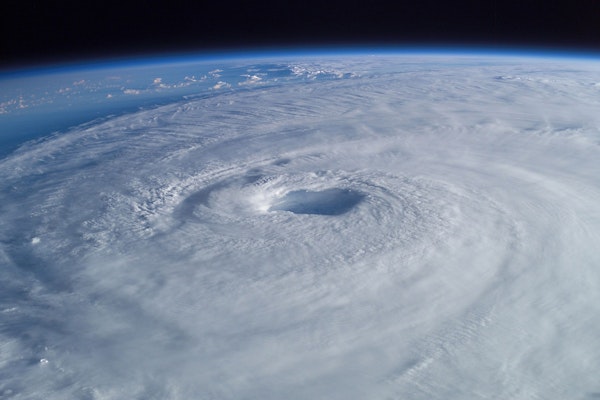
Hurricane Francine will make landfall in Louisiana, bringing dangerous storm surge, high winds, heavy rain, and tornado threats to the Gulf Coast and southern states. Flooding may extend as far north as the Ohio Valley later in the week.
The claims sector is crucial in transforming property insurance by adopting sustainable practices, reducing waste, and meeting new environmental regulations to protect against climate risks.
As climate risks rise, insurers are turning to high-precision data tools to analyze flood risks more accurately and profitably write flood coverage in challenging areas.
Tropical Storm Francine is forecast to strengthen into a hurricane before making landfall along the Gulf Coast, bringing dangerous storm surge, heavy rain, and potential flooding to parts of Louisiana and Texas by midweek.
The surge in severe weather events highlights the urgent need for modern insurance strategies, as homeowners face heightened risks and coverage gaps. Tailored disaster insurance solutions can help protect against growing financial vulnerability.
Aon’s 2024 survey reveals that most business leaders are struggling to adapt to key megatrends, including trade, technology, climate, and workforce changes, to better manage risk.
The catastrophe bond market has reached unprecedented levels, recording $12.2 billion in new transactions and pushing total capital to $45.6 billion, driven by growing risk transfer needs.
Skyline Partners’ FatTrack trigger mechanism led to a swift payout under a parametric insurance policy for Jamaican farmers after Hurricane Beryl, highlighting its efficiency in handling weather-based claims.
Verisk’s 2024 Global Modeled Catastrophe Losses Report reveals that urban expansion and inflation have pushed average annual global natural catastrophe losses to $151 billion, highlighting the growing challenges for insurers.
With wildfires intensifying due to climate change, tech startups in Silicon Valley are creating innovative solutions, from AI-driven forest management to automated firebreaks, to mitigate future risks.
Adjusters share bizarre and unsettling stories from the field, ranging from surreal encounters to harrowing situations that shed light on the unpredictable nature of their work.