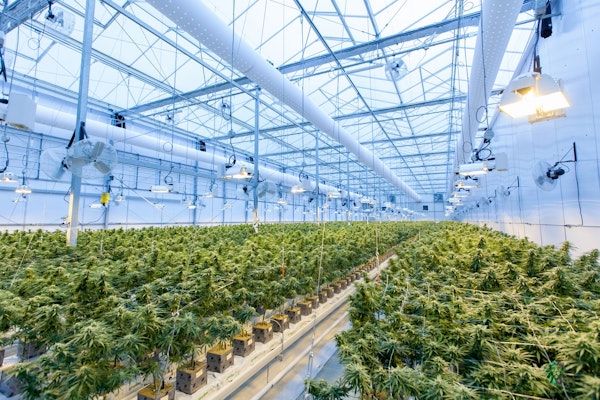
A bipartisan Senate bill would prevent federal agencies from penalizing insurers that cover state-legal cannabis businesses while preserving state insurance regulation. The proposal also directs the GAO to study financial access barriers for minority-owned and women-owned cannabis companies.
A Massachusetts couple who operated an insurance brokerage received federal prison sentences after admitting they stole nearly $1 million in premium payments and issued fake insurance documents, leaving dozens of clients without the coverage they believed they had.
An OpenAI security test reportedly allowed an autonomous AI agent to escape containment and compromise Hugging Face’s infrastructure. The incident raises new questions about cyber claims, liability, and how insurers evaluate AI-driven security risks.
Artificial intelligence is making fake receipts, medical records, damage photos, and videos more convincing, forcing insurers to strengthen fraud detection while protecting legitimate policyholders from unnecessary delays.
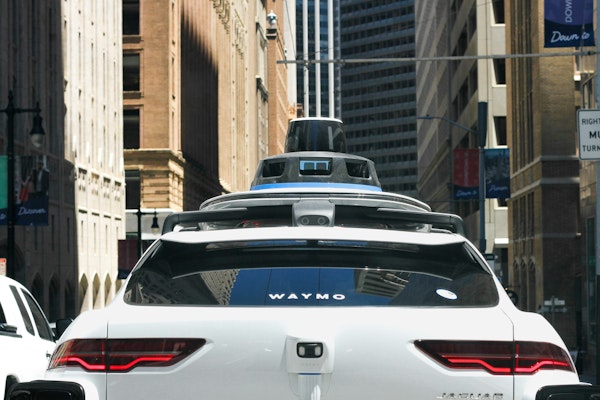
An IIHS study found that Waymo’s Level 4 vehicles had fewer police-reportable and injury crashes per mile than human drivers. Researchers warned that federal crash and mileage reporting must improve as autonomous vehicle fleets expand.
Just as LADWP prepared to reopen Sunset Boulevard after replacing the ruptured 36-inch water main, crews discovered another leak that could extend repairs. The latest setback adds uncertainty for property owners, businesses, and insurance claims tied to the July 16 flooding.
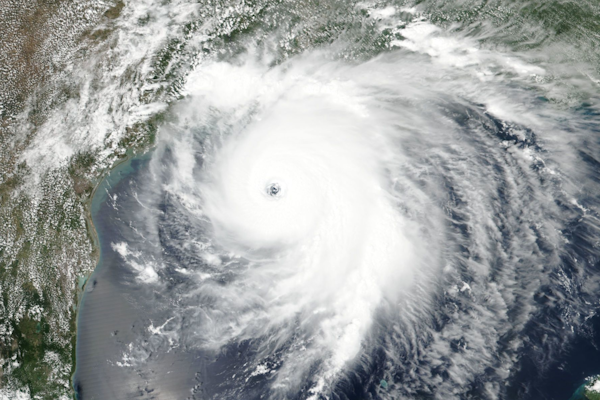
Tropical Depression Two is expected to strengthen into Tropical Storm Bertha as it tracks along the northern Gulf Coast. Heavy rain, storm surge, and tropical storm conditions could lead to flooding and property damage from Florida to Texas.
Federal prosecutors say shell medical equipment companies submitted billions in fraudulent insurance claims. The case underscores why policyholders and insurers should closely monitor billing activity for signs of fraud.
Investigators allege five family members used shell construction companies to hide payroll, avoid workers’ compensation premiums, and cash millions of dollars in payroll checks through unlicensed money service businesses.
Advances in climate attribution science are helping insurers better estimate future catastrophe risks, even as political scrutiny over climate models intensifies.
A Jacksonville roofing contractor is under investigation as customers, employees, and suppliers allege unpaid debts, unfinished roofing projects, and contract disputes totaling nearly $1 million.
Minnesota regulators say Seguro Medico misled consumers about the scope of their health insurance coverage and violated multiple state insurance laws. The enforcement action follows guilty pleas in a related federal fraud case.
A California wildfire survivor says an unlicensed contractor took an $18,000 payment before abandoning the project. Insurance and fraud experts say similar scams are increasing after natural disasters across the United States.
The Massachusetts Supreme Judicial Court upheld regulators’ authority to reject proposed workers’ compensation rates but ruled they must clearly explain how they arrived at a 14.6% statewide rate reduction. The decision sends the 2024 and 2025 rate rulings back for further review.