A bipartisan Senate bill would prevent federal agencies from penalizing insurers that cover state-legal cannabis businesses while preserving state insurance regulation. The proposal also directs the GAO to study financial access barriers for minority-owned and women-owned cannabis companies.
A bipartisan legislative effort would create a federal crime for intentionally staging crashes involving commercial trucks, giving prosecutors a direct tool to pursue organized fraud rings while insurers push for stronger deterrents.
Nearly 270 investigators from 55 agencies completed specialized training on staged crashes, fraud investigations, and financial crimes as New York prepares to implement new anti-fraud laws aimed at reducing auto insurance costs.
A Massachusetts couple who operated an insurance brokerage received federal prison sentences after admitting they stole nearly $1 million in premium payments and issued fake insurance documents, leaving dozens of clients without the coverage they believed they had.
A proposed class action alleges conventional Driscoll’s strawberries contained PFAS-linked pesticide residue and misled consumers through sustainability marketing. The company denies the allegations and says its food safety programs comply with regulatory requirements.
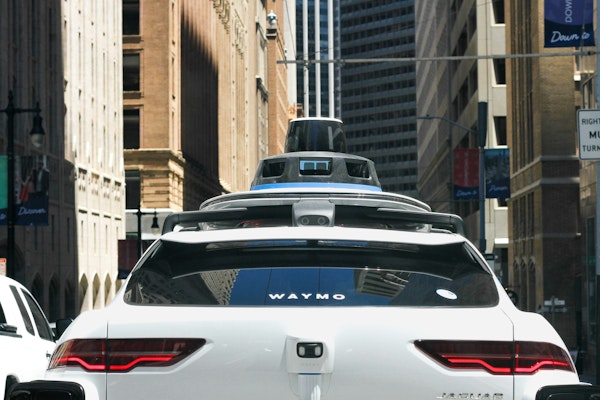
An IIHS study found that Waymo’s Level 4 vehicles had fewer police-reportable and injury crashes per mile than human drivers. Researchers warned that federal crash and mileage reporting must improve as autonomous vehicle fleets expand.
Investigators allege five family members used shell construction companies to hide payroll, avoid workers’ compensation premiums, and cash millions of dollars in payroll checks through unlicensed money service businesses.
OpenAI’s flagship Stargate campus in Abilene is becoming a case study in how AI infrastructure may reshape property, environmental, and liability exposures. Nearby homeowners, former regulators, and environmental advocates are questioning whether current permitting rules adequately address projects of this scale.
Minnesota regulators say Seguro Medico misled consumers about the scope of their health insurance coverage and violated multiple state insurance laws. The enforcement action follows guilty pleas in a related federal fraud case.
While extreme heat remains a concern during the 2026 FIFA World Cup, workers’ compensation experts say inexperienced seasonal employees and large-scale staffing demands may create greater claim exposure for employers.
Federal regulators say autonomous vehicles have repeatedly blocked first responders, entered active emergency scenes, and failed to recognize emergency traffic controls. The directive could shape future liability and claims involving robotaxis.
The Massachusetts Supreme Judicial Court upheld regulators’ authority to reject proposed workers’ compensation rates but ruled they must clearly explain how they arrived at a 14.6% statewide rate reduction. The decision sends the 2024 and 2025 rate rulings back for further review.
Licensed insurance agents allegedly used personal information gathered through telemarketing calls to submit life insurance applications without consumers’ knowledge. Regulators say the scheme is generating significant losses for insurers and exposing older adults to additional fraud risks.
Iowa investigators allege an insurance agent opened policies using the identities of at least 11 family members without their knowledge, generating more than $36,000 in commissionable premiums. The case includes 23 felony charges and one aggravated misdemeanor.