

Legacy Insurance Systems Drive Claims Delays and Rising Costs
New research shows manual workflows, long system timelines, and fragmented platforms are increasing claim handling costs and reducing operational control.
April 30
Insurance Industry
Risk Management
Technology

Public Adjuster Charged in $140K Insurance Payout Theft Case
Pennsylvania prosecutors allege a public adjuster diverted insurance claim funds meant for homeowners and contractors after storm, flood and property damage claims.
April 30
Fraud
Insurance Industry
Legislation & Regulation
Property
Pennsylvania

Fake Auto Insurance Cards Surge in Texas, Driving Fraud Risk and Claims Costs
Fraudulent policies are leaving drivers uninsured and shifting costs to legitimate claims through higher premiums and increased uninsured motorist filings.
April 30
Auto
Fraud
Insurance Industry
Risk Management

Insurance Claims AI Requires Strong Governance and Human Oversight
AI can speed up claims processing, but without clear controls, it can amplify errors, increase exposure, and create regulatory risk for insurers.
April 30
Education & Training
Insurance Industry
Risk Management
Technology

People Risk 2026 Report: Workforce Trends Driving Insurance Claims Exposure
New data shows how AI gaps, cyber behavior, labor shortages, and employee stress are driving higher claims frequency, severity, and operational risk.
April 30
Catastrophe
Fraud
Insurance Industry
Liability
Technology

Early Spring Hail and Wind Claims Drive Hidden Costs for Insurers
Early-season wind and hail events often bypass catastrophe protocols but still create complex, costly claims. Delays and poor coordination can quickly increase severity and cycle times.
April 28
Catastrophe
Insurance Industry
Property
Risk Management

Electronic Key Fob Fraud Scheme Drives Multi-State Auto Theft Ring Indictments
Suspects used electronic devices to reprogram key fobs, moving stolen vehicles across states and into international markets.
April 28
Auto
Fraud
Litigation
Risk Management
Technology
District Of Columbia
Maryland
Pennsylvania

Cannabis Rescheduling Drives New Insurance Capacity but Raises Compliance Risks
Federal reclassification improves financial outlook for medical marijuana operators but leaves insurers navigating complex compliance and liability risks.
April 28
Excess & Surplus Lines
Insurance Industry
Legislation & Regulation
Liability
Property

Largest Art Theft in History Highlights Challenges in High-Value Property Recovery
A former FBI agent details suspects and missed opportunities in the $500M Boston art theft, offering insight into why recovery remains difficult decades later.
April 28
Fraud
Litigation
Property
Risk Management

Cargo Theft Losses Hold at $131M Despite Fewer Incidents in Q1 2026
Fewer incidents mask rising claim complexity as organized crime groups use impersonation and target high-resale goods across major logistics hubs.
April 28
Fraud
Property
Risk Management
Technology

Distracted Driving Expands Risk for Trucking Fleets as Claims Costs Surge
Expanding in-cab distractions, fatigue, and litigation trends are increasing claim severity and underwriting scrutiny for commercial fleets.
April 28
Auto
Liability
Risk Management
Technology

Mississippi Launches $10K Roof Grant Program to Cut Storm Losses
State-backed incentives for FORTIFIED roofs aim to reduce storm damage, stabilize premiums, and improve claim outcomes across high-risk regions.
April 28
Catastrophe
Insurance Industry
Property
Risk Management
Underwriting
Mississippi
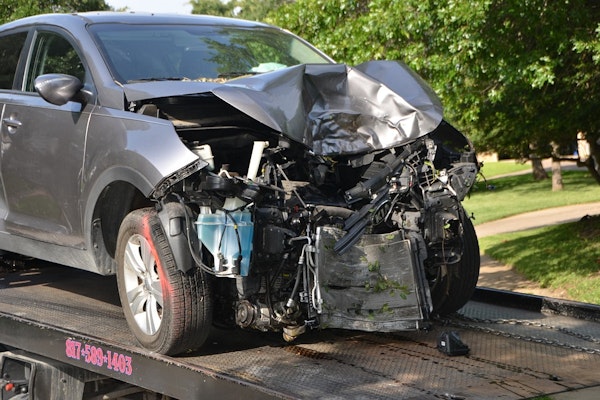
Court Upholds Insurer Flexibility in Actual Cash Value Calculations
A major appellate ruling limits class actions over vehicle valuation methods while preserving insurer flexibility in determining actual cash value.
April 28
Auto
Legislation & Regulation
Litigation
Risk Management
Tennessee

Lamborghini Crushed by Pickup in Orlando Parking Lot Raises Liability Questions
Driver escapes injury as investigators assess fault and damages in a rare low-speed but high-impact parking lot crash.
April 27
Auto
Insurance Industry
Liability
Florida

Wildfires in Georgia and Florida Destroy 50 Homes as Drought and Winds Fuel Losses
Drought, wind, and fuel conditions drive fast-moving fires in Georgia and Florida, raising exposure concerns for property insurers and adjusters.
April 24
Catastrophe
Insurance Industry
Property
Risk Management
Florida
Georgia
South Carolina