April 2020 was one for the severe weather history books. The preliminary count of 351 tornadoes last month is the second most for any April on record, according to the National Weather Service Storm Prediction Center.
Everything has its price. The increasingly healthy diet we are eating presents the foodservice industry with “an array of new foodborne illness threats,” says Restaurant Guard Insurance veep Crystal Jacobs, adding: “Greens like romaine are now one of the nation’s most susceptible foods for carrying the bacteria that cause foodborne illness.”
In an attempt to avoid paying high premiums, electric automobile manufacturer Tesla announced that it would forgo directors and officers liability insurance (D&O) this year, opting to rely on CEO Elon Musk to pay for legal defense.
In a case where no insurance company or insurance claim was involved, the Pennsylvania Supreme Court issued a ruling that could potentially negate one of the insurance industry’s standard bases for denial of coverage of business income claims—i.e. that COVID-19 did not result in “direct physical loss to insured property.”
In order to help their clients, and generally, help the society, auto insurers have begun issuing refunds to auto insurance policyholders in response to dramatic drops in driving as much of the country remains in lockdown.
During this time of crisis, officials in the banking and insurance industries are working hard to figure out the best ways to help companies find additional resources.
Insurance broker Willis Towers Watson (WLTW.O) on Friday estimated general insurance losses between $32 billion and $80 billion across key classes in the United States and UK from the novel coronavirus, surpassing claims from the 9/11 attacks.
U.S. life insurers may face as much as $7.2 billion in claims if coronavirus deaths rise to the high end of projections of 150,000, according to Aite Group LLC.<br />The estimate includes costs for policyholders between the ages of 56 and 74, which are projected to reach as much as a combined $4.1 billion for individual and group plans, the researcher said in a study released Thursday.
Nationwide has announced plans to permanently transition to a hybrid operating model comprising primarily work-from-office in four corporate campuses and work-from-home in most other locations.
Two businesses in Texas have each filed lawsuits against Travelers Indemnity Company, accusing the P&C insurer of rejecting their damages and business interruption claims without investigating.
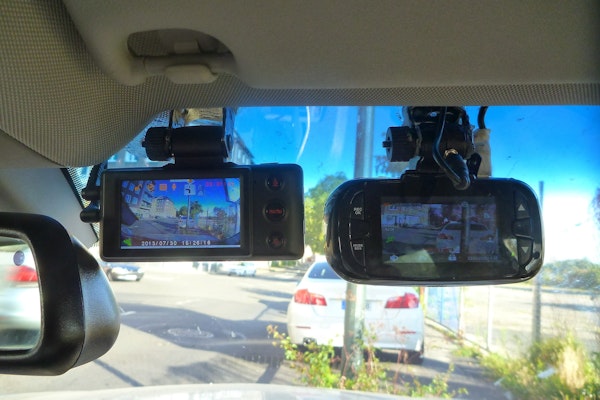
In the transportation industry, dashcams have been added to fleets of trucks, often paid for or subsidized by insurance carriers looking for an advantage in underwriting, claims, and risk management. Accidents captured on video result in claims that are easier to defend and manage because the footage quickly helps inform the claims manager and attorneys about whether the claim should be denied or promptly resolved.
Like many industries, cannabis-related companies in the United States haven’t been left untouched by the fallout from the coronavirus. On the bright side, demand for cannabis products swelled in the initial weeks following government-mandated lockdowns.
Motor vehicle accidents led to more than 2.5 million emergency department visits in 2017, according to the CDC’s most recent estimates. Emergency room and other hospital visits can be costly for insurance carriers, as facility charges are some of the highest fees that carriers face when paying for medical treatments related to auto accidents.
Five years ago, if someone mentioned “claims virtualization,” it most likely referred to an insurance carrier’s mobile application, or possibly just conjured visions of VR goggles used for high-tech simulations.
Insurance companies are no dummies. The world’s largest insurance companies learned important lessons following previous worldwide health crises. Since the 2003 SARS pandemic, they have tightened up their policies and carefully crafted policy language excluding communicable diseases.