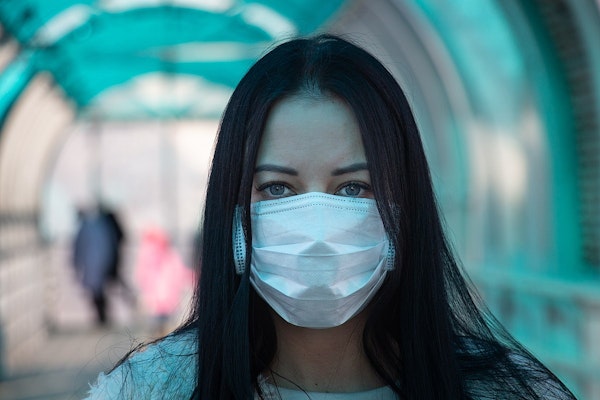
Homeschooling children, caring for sick relatives and worrying about job security are just some of the new stressors American workers are facing in the wake of COVID-19. The novel coronavirus has shaken up our daily lives, and many people may be wondering if we can ever go back to normal after this.
As the COVID-19 pandemic response prepares to move into yet another month, many of us are beginning to ask, are we saving lives? Or are we hurting them? The answer is becoming increasingly obvious. It is “yes” to both. But how do we balance the solution?
It is common for businesses and individuals in the United States to resolve their disputes with lawsuits. Unfortunately, the maturing cannabis industry appears to be like any other when it comes to this kind of dispute resolution.
Most organizations are now requiring that their employees work from home with the ongoing novel coronavirus disease (COVID-19) pandemic. However, in the event of a breach or other incident, there may be limitations in your cyber liability insurance policy based upon the type of hardware being used.
Thousands of Tennesseans impacted by devastating March and April tornadoes have turned to insurance companies for relief. And, after the novel coronavirus pandemic shuttered businesses across the state, business owners are doing the same.
In their search to boost profits and reduce their loss ratio, property and casualty (P&C) insurance carriers often turn to improving a cast of “usual suspects”: sales, pricing, new product development and a host of operational areas from new business through subrogation. But the biggest area to target— the one with the largest, near-term upside potential—is claims processing.
Another week brings another round of COVID-19-related lawsuits. We are identifying some early trends and provide a synopsis of the more relevant lawsuits below.
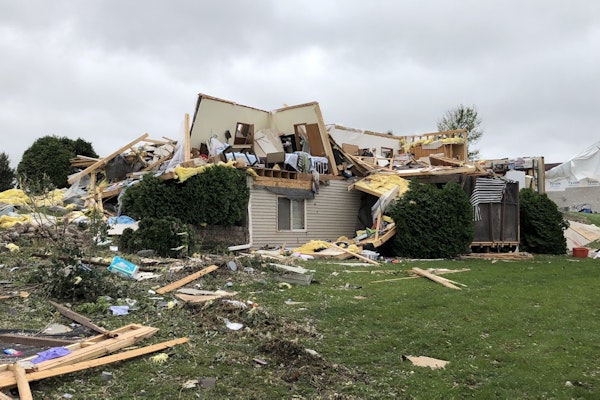
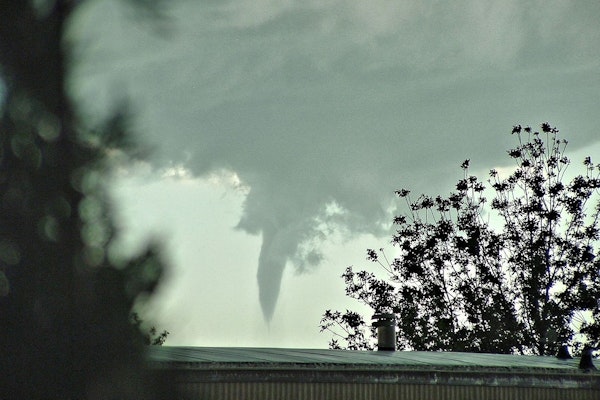
A powerful tornado with winds reaching 115 mph cut a path from Montebello to East North Street on Saturday night, uprooting massive trees, tearing apart business facades and leaving thousands without power.
A storm is rising, and it isn’t the type which causes damage to homes and vehicles. It causes damage of a much more insidious nature. Following a storm or other natural disaster, canvassers hired by the “hail cartel”—lawyers or opportunistic general contractors—can be found blanketing a neighborhood and knocking on doors.
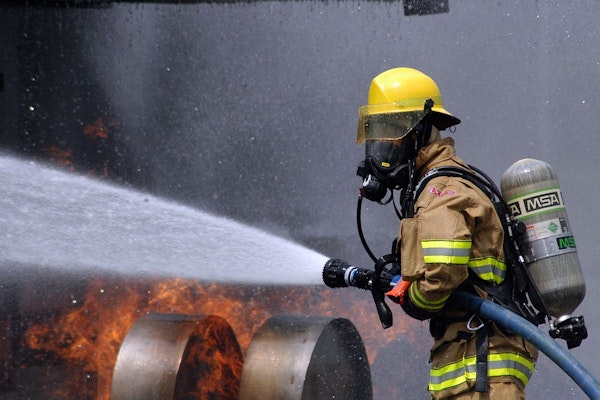
Following a fire loss, claims professionals focus on restoring productivity, minimizing business interruption, and satisfying the needs of their policyholders. With respect to technical equipment restoration, minutes and hours are critical.
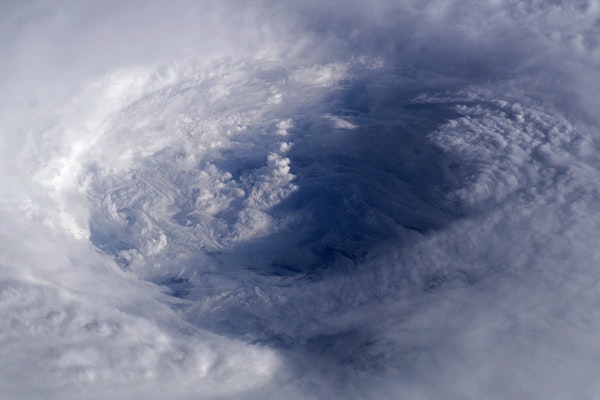
Hurricane Harvey caused catastrophic flooding in 2017, killing 68 people and costing $125 billion in damages. One reason it was so destructive is that it moved unusually slowly and remained over the same area for days — and as the world warms, there are going to be a lot more slow-moving tropical cyclones like Harvey, according to high-resolution climate models.
Not one home in the Paradise Acres community on Lake Livingston was left unscathed by the tornado that hit Polk County Wednesday evening. The tornado, preliminarily believed to be an EF-3, which is defined as having sustained winds between 136 and 165 mph, tore through communities near Onalaska around 6:15 p.m.
Wildfires and hurricanes from recent years have impacted many homeowners’ and businesses’ ability to find affordable property insurance, but they’re not the only types of weather events that are contributing to a hardening property market. Hailstorms rank as one of the more damaging weather events in the US with 5,382 major hailstorms occurring in 2019 and 4,610 hailstorms in 2018, the latter of which resulted in $810 million in property and crop damage, according to the National Oceanic and Atmospheric Administration (NOAA).
Chubb Ltd Chief Executive Officer Evan Greenberg released a statement warning that the coronavirus will be the largest event in insurance industry history.
The insurance industry has never been known for its speed or agility. Rather, it has been characterized as slow, methodical, and cautious of any sudden movement. Of course, that’s a generalization. There are many insurance firms that break the mold and lead the way in terms of transformative innovation, but, generally speaking, most insurers have opted to spend their time on other things … until now.