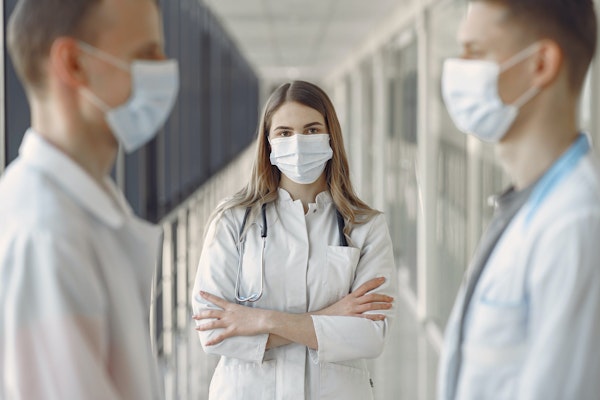
The New York Workers’ Compensation Alliance is calling on the state government to guarantee that workers’ compensation will include COVID-19 workplace exposure for all workers.
Severe storms continued to roar across the Deep South on Thursday after floods and apparent tornadoes hit part of Oklahoma, Texas and Louisiana a day earlier, killing at least 6 people and leaving thousands without power.
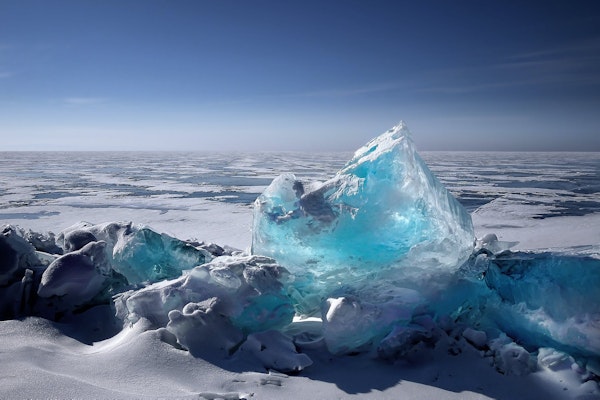
Warmer weather means Lake Mille Lacs in Minnesota is starting to thaw, and as it does ice waves are slowly crashing into homes on the shore. The technical term is an ice shove, as the wind is shoving the ice onto the shore.
Recent GEICO and Safeco messages to a Denver, Colo., body shop stand in contrast to rival leading insurers that have agreed to reimburse time and materials spent disinfecting vehicles against the COVID-19 coronavirus.
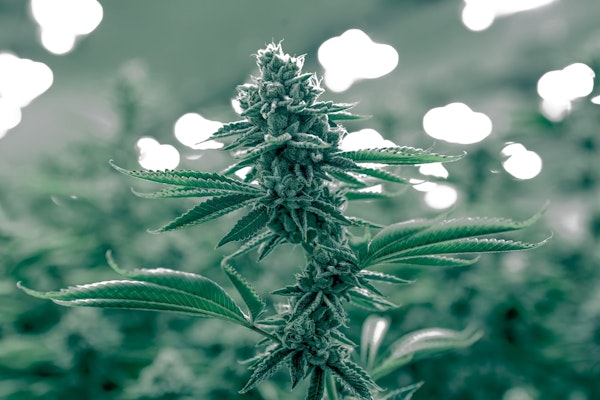
A product liability claim presents some of the highest dollar loss potential for cannabis companies, according to Chris Boden, cannabis practice group team leader at the California-based wholesale insurance broker, Crouse and Associates Insurance Services. It’s one of the most severe exposures cannabis companies face, and yet not all businesses purchase product liability insurance coverage.
The COVID-19 outbreak has had a tremendous impact on every aspect of life in the United States. Like most companies, the insurance industry has had to drastically alter the way it does business.<br />
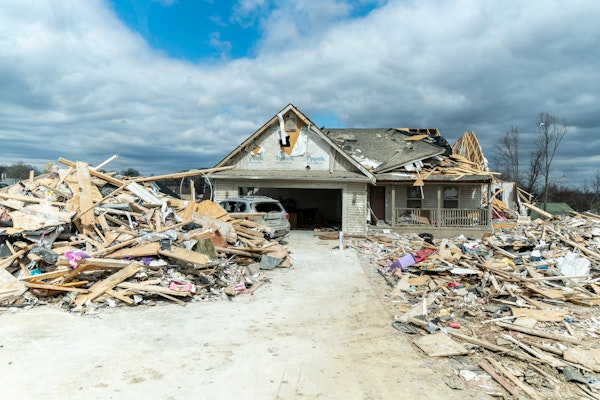
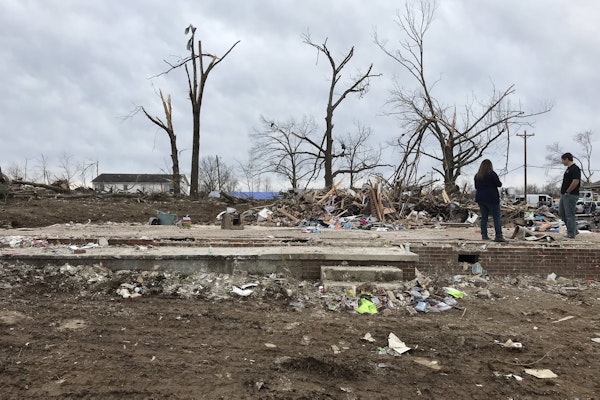
The tornadoes and storms that swept through Southeast Tennessee on Easter night toppled or damaged more than 6,200 homes and commercial buildings and left more than 1,300 cars in need of repair, according to initial insurance claims filed in the first week after the April 12-13 storms.
As the world continues to deal with the health and economic catastrophe created by the COVID-19 pandemic, a potential tsunami of related litigation has begun a slow but steady build. Because the pandemic is unprecedented, predicting the legal fallout left in its cruel wake is difficult.
Staying at home and closing nonessential businesses during the COVID-19 crisis has resulted in one major benefit for people who still need to drive their vehicles: fewer cars on the road. But the question is: Will the decrease in vehicle use ultimately result in lower auto losses for insurers?
Insurance is difficult. Many years ago, Scott Peck quoted in his book “The Road Less Traveled” that “life is difficult”. He went on to explain that once people accept that fact, things become a whole lot easier. While simplicity is achievable for people, not so much for insurance.
Over the past several weeks, there have been numerous aerial photos of some of the nation’s largest highway systems — devoid of vehicles. The sight of tens of miles of ramps, junctions and straightaways with no visible cars is startling, almost a made-for-Hollywood view.
For the second Monday in a row, people across the South are waking up to storm damage caused by extreme winds, hail and tornadoes. Deadly tornadoes struck the same region on Easter.
A colleague recently diagnosed with COVID-19 was inundated with solicitations from plaintiffs’ firms looking to file suit against the cause of the exposure. A restaurant forced to close filed suit seeking coverage for business interruption losses in Louisiana.
The Geospatial Intelligence Center (GIC) has collected high-resolution aerial photographs of damaged structures following a series of Easter weekend tornadoes that struck multiple states — and these photos have been made available for insurers to use.