Quantum computers capable of breaking today’s encryption may still be years away, but insurers are already evaluating how long-term cyber exposures, legacy systems, and post-quantum readiness could affect underwriting and future claims.
The agreement would resolve approximately 76,000 ovarian cancer claims if 95% of eligible plaintiffs approve the deal. The settlement follows years of courtroom battles and failed bankruptcy efforts aimed at resolving the litigation.
A bipartisan Senate bill would prevent federal agencies from penalizing insurers that cover state-legal cannabis businesses while preserving state insurance regulation. The proposal also directs the GAO to study financial access barriers for minority-owned and women-owned cannabis companies.
Researchers found a vulnerability affecting dealer-installed KARR and related vehicle security systems sold primarily through Southern California dealerships. The manufacturer has issued a firmware update, but vehicle owners must install it through the mobile app.
A bipartisan legislative effort would create a federal crime for intentionally staging crashes involving commercial trucks, giving prosecutors a direct tool to pursue organized fraud rings while insurers push for stronger deterrents.
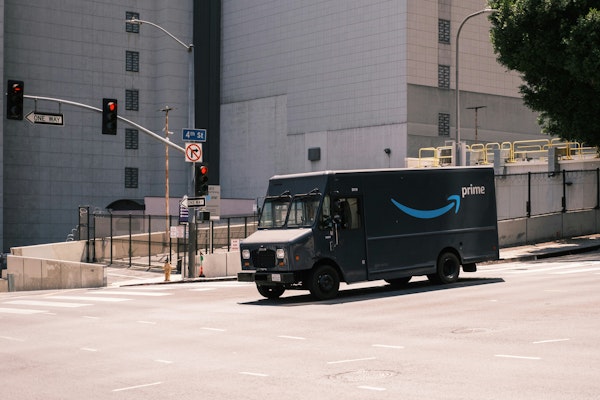
A Massachusetts jury awarded a record $56 million to a Newburyport man who suffered catastrophic injuries after an Amazon delivery driver fell asleep and crossed the center line. Amazon had already admitted liability, leaving damages as the only issue for the jury.
AI-enabled smart glasses are helping insurers standardize inspections, improve documentation, reduce travel, and support remote claims handling while giving adjusters real-time guidance in the field.
The first hurricane to enter the Central Pacific Basin this season is expected to approach Hawaii early next week. Forecasters say confidence is growing that parts of the islands could see wind and rainfall impacts, though the exact track and intensity remain uncertain.
State regulators say the agents obtained or maintained Mississippi resident producer licenses through material misrepresentation, with investigators finding most lived outside the state. The action follows information provided by CMS and a health insurer and could lead to additional civil and criminal penalties.
Nearly 270 investigators from 55 agencies completed specialized training on staged crashes, fraud investigations, and financial crimes as New York prepares to implement new anti-fraud laws aimed at reducing auto insurance costs.
A Massachusetts couple who operated an insurance brokerage received federal prison sentences after admitting they stole nearly $1 million in premium payments and issued fake insurance documents, leaving dozens of clients without the coverage they believed they had.
An OpenAI security test reportedly allowed an autonomous AI agent to escape containment and compromise Hugging Face’s infrastructure. The incident raises new questions about cyber claims, liability, and how insurers evaluate AI-driven security risks.
Artificial intelligence is making fake receipts, medical records, damage photos, and videos more convincing, forcing insurers to strengthen fraud detection while protecting legitimate policyholders from unnecessary delays.
A proposed class action alleges conventional Driscoll’s strawberries contained PFAS-linked pesticide residue and misled consumers through sustainability marketing. The company denies the allegations and says its food safety programs comply with regulatory requirements.
State officials say hundreds more homes and businesses need repairs as recovery shifts toward debris removal, rebuilding, and long-term housing. Authorities are also monitoring downstream flooding and a developing tropical system.