Facing a $38 billion underwriting loss and increased natural catastrophe damages, insurers explore predictive and preventive measures for sustainability.
In 2023, natural disasters led to over $108 billion in insured losses, marking the fourth consecutive year above $100 billion, with severe convective storms hitting a record high.
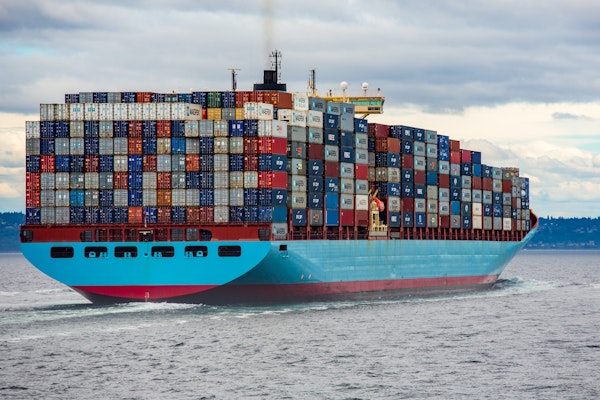
The collapse of the Francis Scott Key Bridge, after being struck by a cargo ship, has led to a significant emergency operation and concerns over East Coast shipping logistics.
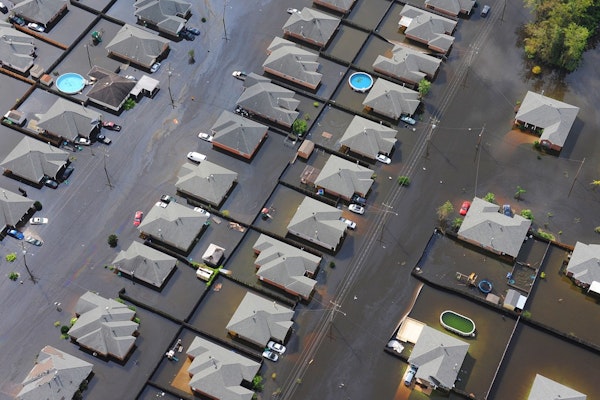
In response to devastating floods, Barre and Montpelier request $3.5 million to elevate homes, providing safer living conditions amid a housing crisis.
Over 660,000 properties were hit by significant hail during early March, surpassing 2023 records and signaling a potentially challenging year for insurers.
Spire Global teams up with NVIDIA, aiming to improve forecast accuracy and tackle the challenge of extreme weather events through AI-driven weather prediction.
A New York judge’s decision to not dismiss a lawsuit against Reddit and YouTube questions the extent of their liability in a racially motivated attack in Buffalo.
Starting March 20, New Jersey’s new law mandates flood history and risk disclosures for all real estate transactions, enhancing transparency and preparedness.
Auto insurance premiums are climbing due to labor/material costs, natural disasters, and social inflation, with industry challenges sparking rate hikes.
Ocean temperatures have surged to unprecedented levels for over a year, alarming scientists about potential long-term ecological and meteorological impacts.
A recent storm in Salisbury, Massachusetts, has undone efforts to fortify the beach, washing away $600,000 in sand, despite community-led dune replenishment initiatives.